
Iran’s ongoing conflict with the United States has led to significant developments in the region, shaping international relations and political discourse. Iran’s president has asserted that the world recognizes its victory over the U.S., while France and Saudi Arabia are strategizing on how to navigate the fallout from the conflict, particularly concerning the Strait of Hormuz, a critical maritime passage.
Iranian President Declares Victory Over the U.S.
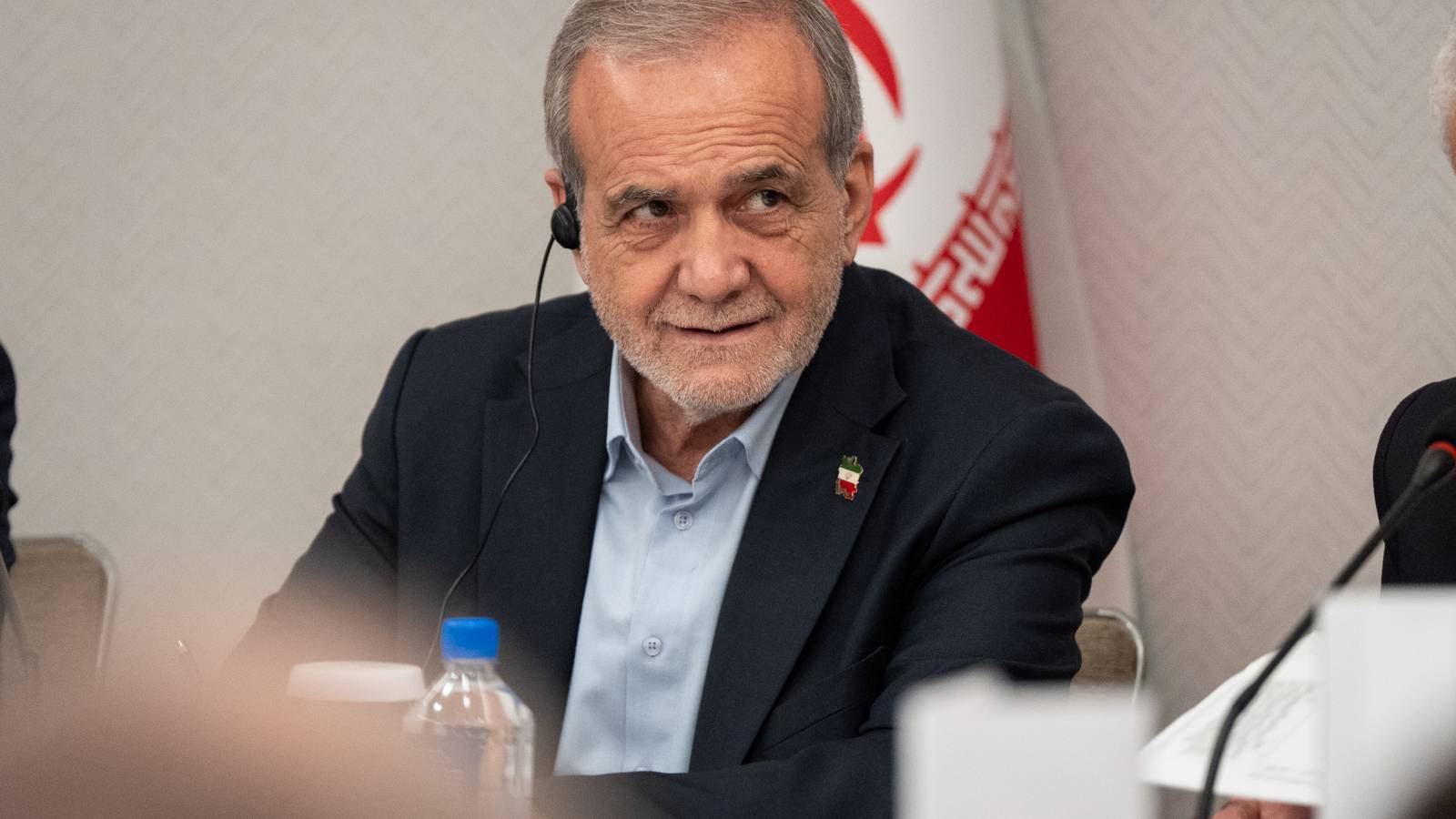
Iranian state media has recently highlighted remarks made by President Masoud Pezeshkian, who claims that the world has acknowledged Iran’s triumph in its conflict with the United States. President Pezeshkian suggested that this war should come to a close since, according to him, the global community views Iran as the victor. He emphasized Iran’s steadfastness in maintaining control over the vital Strait of Hormuz, interpreting this defiance against U.S. demands as a definitive win for the nation.
While Iran celebrates this perceived victory, the Trump administration continues its campaign against Iran through intensified financial sanctions. President Trump had previously announced an unprecedented level of economic pressure aimed at isolating Iran and compelling its leadership to abandon its nuclear ambitions. The U.S. government’s strategy includes efforts to reopen the Strait of Hormuz for international oil and gas shipments, highlighting the ongoing tension in the region.
Contradictory Statements on Golan Heights
In another significant development, Tom Barrack, the U.S. Ambassador to Turkey, made remarks that contradict the official U.S. stance regarding the Golan Heights. During an interview, Barrack stated that Israel continues to occupy the Golan Heights in opposition to U.N. resolutions. Israel seized this territory from Syria during the 1967 war and subsequently annexed it in 1981. The U.N. continues to view this annexation as illegal, calling for Israel’s withdrawal to pre-1967 borders.
This contentious issue became even more complex when President Trump officially recognized Israeli sovereignty over the Golan Heights in March 2019. Despite this shift in U.S. policy, Barrack’s comments reignited disagreements regarding Israel’s status in the region. Critics, including conservative activists, have since condemned Barrack’s statements, arguing they reflect a misunderstanding of U.S. foreign policy concerning Israel and its neighbors.
France and Saudi Arabia Explore Alternatives to the Strait of Hormuz
Amid the ongoing tensions in the region, French President Emmanuel Macron and Saudi Crown Prince Mohammed bin Salman are set to meet to address the impact of the Strait of Hormuz’s closure. This meeting, scheduled for a two-day visit starting Sunday, aims to explore alternative economic pathways around the strategically significant waterway, which has seen increasing security threats.
Proposals under consideration by the French and Saudi governments include enhancing trade routes through Omani ports and upgrading existing pipeline infrastructure to facilitate oil and gas flow outside the Persian Gulf. Additionally, developing rail systems to bolster logistics and trade between the Middle East and Europe is on the agenda, demonstrating proactive measures to mitigate the adverse effects of the conflict on regional economies.
Furthermore, France and Saudi Arabia have collaborated to establish a joint task force focused on connecting energy and logistics between Europe and the Middle East. According to unnamed presidential officials, this initiative will concentrate on identifying strategic projects and facilitating investment, underscoring the urgency of finding reliable alternatives to the disrupted maritime routes through the Strait of Hormuz.
In summary, as the landscape in the Middle East continues to evolve due to the ongoing conflict between Iran and the United States, regional developments signify a potential shift in alliances and economic strategies. Both Iranian claims of victory and diplomatic conversations in Paris highlight the multifaceted nature of the geopolitical situation, leaving a complex web of diplomatic relationships and economic imperatives in their wake.