
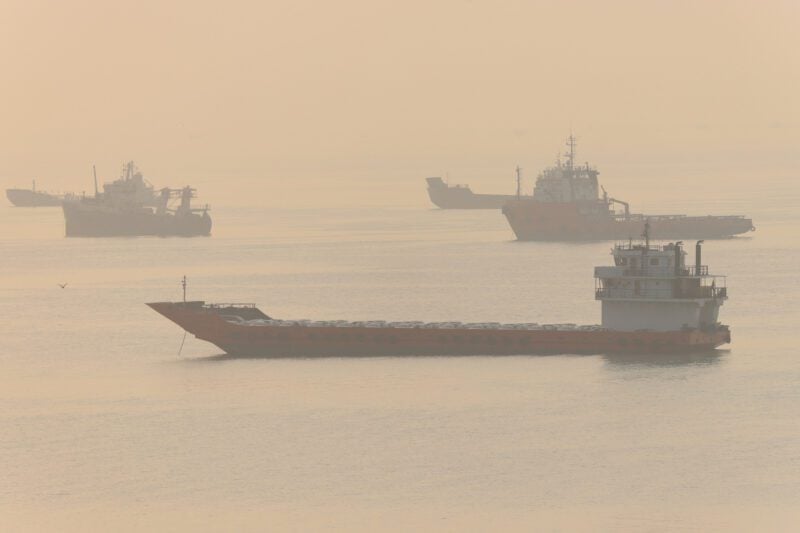
The ongoing tensions involving the United States and Iran have reached another critical juncture, particularly regarding the reopening of the pivotal Strait of Hormuz. Recent exchanges have revealed the complexities of negotiations, prompting much speculation about future maritime security in this vital waterway.
Iran’s Proposal for Strait of Hormuz Reopening
During the recent UN General Assembly, Iran put forth a proposal intended to restore normal maritime passage through the Strait of Hormuz within a week, contingent upon fulfilling seven specific conditions. This strategic waterway is crucial, as it facilitates the transit of approximately 20% of the world’s oil and liquefied natural gas. Iranian officials, including Mohsen Rezaei, who serves as the Secretary of the Supreme National Security Council, expressed the country’s stance, asserting that negotiations would not proceed until their outlined criteria were acknowledged by the U.S.
U.S. Response: Insufficient Clarifications
In a response conveyed through Qatari intermediaries, the United States reportedly found some aspects of Iran’s conditions acceptable, but left others ambiguous. Rezaei pointed out that this lack of clarity was problematic for Tehran. He emphasized the need for Washington to address these uncertainties, suggesting that further dialogue is contingent upon clearer responses from the U.S. administration. “We presented seven conditions to the Americans and clearly stated that until these conditions are met, negotiations would not take place,” he stated, highlighting Iran’s firm stance.
The Role of Mediators and the Broader Context
Mediation efforts, primarily by Qatar and other third parties, are playing a crucial role in facilitating communications between Iran and the U.S. These dialogues are essential for alleviating tensions that have escalated since the onset of conflict at the end of February, which saw hostile actions from both American and Israeli forces aimed at Iran. The ultimate goal remains to bring stability back to the Strait of Hormuz, a waterway integral not only to regional economies but also to global energy markets.
The Current Stalemate
Despite the ongoing talks, it appears that Iran has shifted its approach and is “no longer in the process of responding to the Americans,” according to Rezaei. This represents a significant change in Iran’s diplomatic posture, indicating potential frustration with the length of negotiations and the perceived inadequacy of U.S. responses. Tehran’s harsh stance underscores the complexities of diplomatic relations in light of heightened tensions in the region, and the situation continues to develop with Iran firmly positioning its requirements at the forefront of discussions.
The intricacies of this ongoing situation reveal the delicate balance of power and influence in the Gulf region. With maritime security hanging in the balance, both parties are tasked with navigating a path toward a resolution. The imperative for a diplomatic solution is critical, as the Strait of Hormuz is not merely a geopolitical asset for Iran but a lifeline for energy supplies worldwide, underscoring the stakes involved for both regional and global players.