
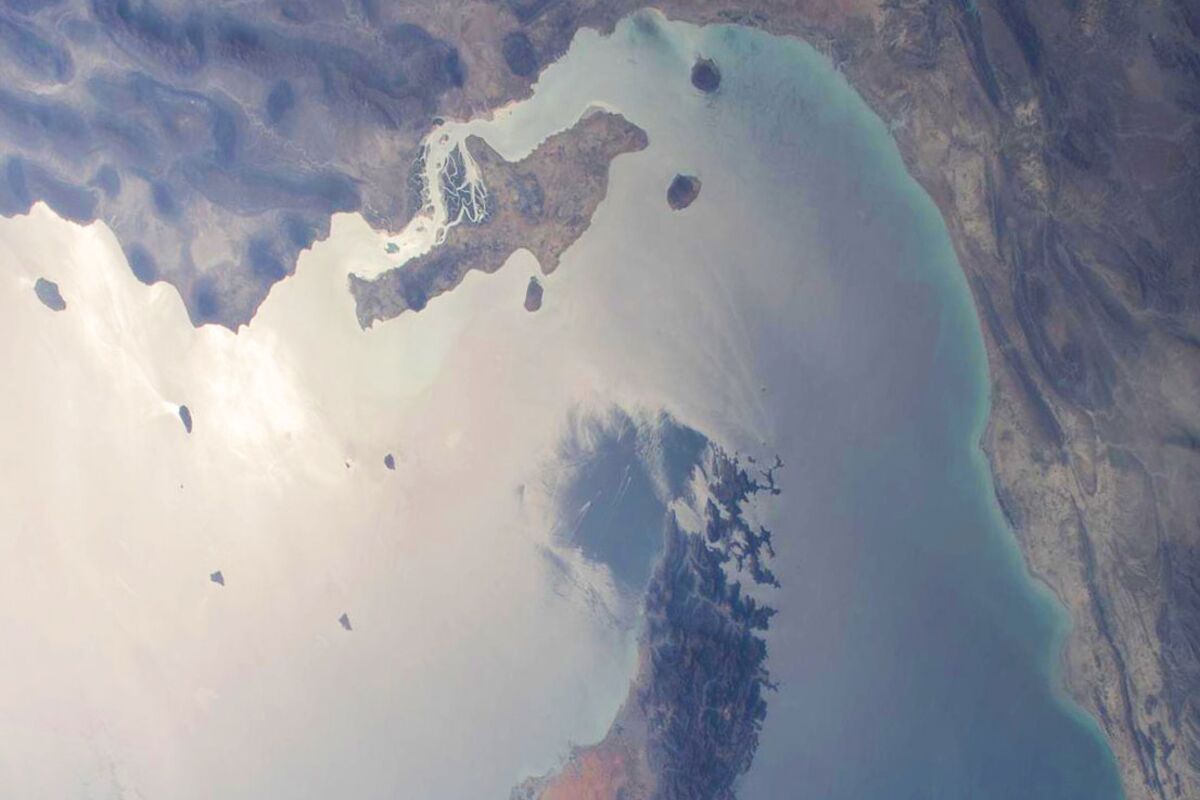
Iran has recently issued a strong statement regarding maritime navigation in the Strait of Hormuz, emphasizing the importance of adhering to authorized routes. This warning came after a foreign cargo ship reportedly ran aground while traversing the strait, a critical waterway for global shipping.
Strait of Hormuz: A Vital Maritime Gateway
The Strait of Hormuz, located between Iran and Oman, is one of the world’s most significant maritime passages, facilitating the transit of approximately 20% of the global oil supply. Given its strategic importance, Iran maintains tight controls over this region. The recent incident involving the foreign vessel has reignited discussions on maritime security and the necessity for ships to follow established protocols when navigating through this critical area.
Iran’s Warnings on Maritime Navigation
In light of the container ship accident, Iranian authorities reiterated their call for vessels to abide by designated shipping routes. Iran insists that coordination with the Islamic Republic is essential for ensuring safe passage through the strait. This announcement reflects Tehran’s broader approach to managing maritime traffic in a region often fraught with tension and geopolitical complexity.
The Consequences of Unauthorized Transit
Navigating through the Strait of Hormuz without prior authorization can lead to serious repercussions. The Iranian government has made it clear that such actions are viewed as violations of maritime law, which could escalate tensions between Iran and neighboring countries or commercial entities. The international shipping community is advised to heed these warnings, as non-compliance may result in legal or diplomatic disputes.
Global Implications of the Incident
The grounding of the foreign ship serves as a reminder of the delicate balance in the Strait of Hormuz. An incident like this can disrupt shipping schedules, lead to potential environmental hazards, and create ripples in global oil prices. Stakeholders in the shipping industry must remain vigilant and informed about the geopolitical dynamics that influence navigation in this vital waterway.
As discussions around maritime safety continue, it is clear that the Strait of Hormuz remains a focal point for international shipping. The Iranian government’s insistence on following authorized routes aims to preserve stability in the region and mitigate any risks associated with unauthorized navigation. For businesses and shipping companies with interests in this area, adhering to these protocols is not just a matter of regulatory compliance—it is also crucial for safeguarding their operations and maintaining a smooth transit through one of the world’s busiest shipping lanes.