
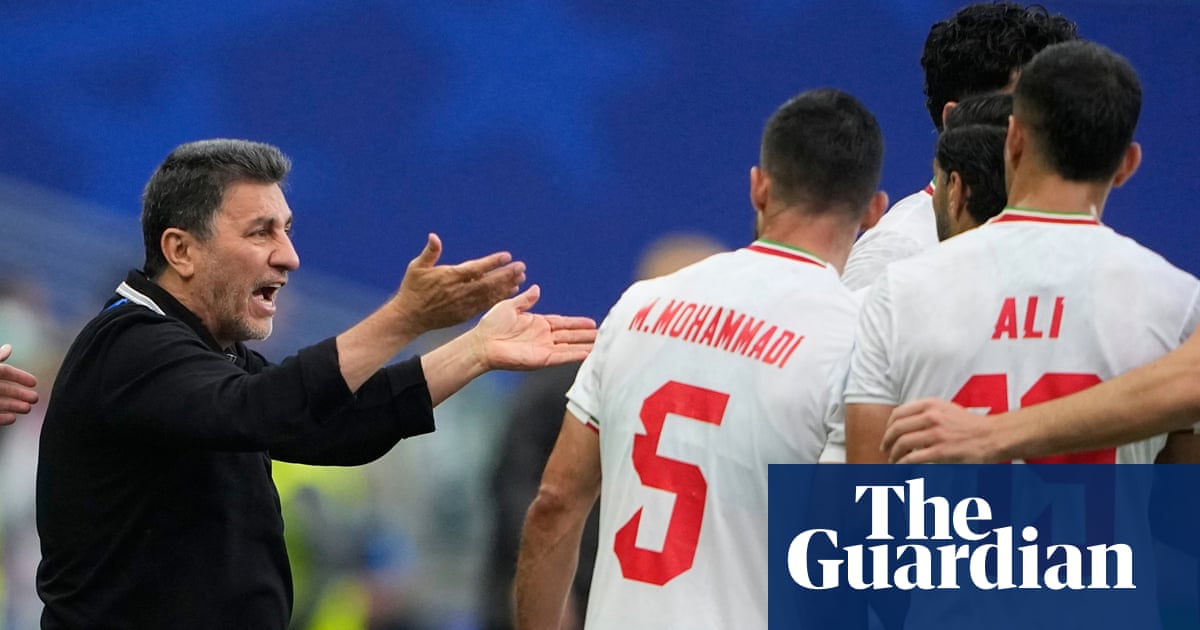
Iran’s head coach Amir Ghalenoei has expressed his discontent with how the United States has treated his team during the FIFA World Cup. Ghalenoei believes the conditions imposed on the Iranian squad are unjust and has called on FIFA President Gianni Infantino to take a stand against such treatment.
Challenges Faced by Iran
The Iranian national team is on the brink of making history by qualifying for the World Cup knockout stage for the first time. This potential achievement became somewhat overshadowed following a frustrating match against Egypt in Seattle, characterized by close calls, including a last-minute goal disallowed for offside. Ghalenoei’s team is contending not just with the pressures of the game but also with significant logistical issues impacting their performance.
Ghalenoei acknowledged Infantino’s supportive efforts but asserted that little has improved for his team since the tournament commenced. He remarked that despite Infantino’s visit to the dressing room, where he encouraged the players with uplifting words, the reality of their situation has not changed. Ghalenoei has branded Iran as the “most oppressed” team at this World Cup, emphasizing the struggles they have faced.
Concerns Over Treatment
In a post-match conference, Ghalenoei urged FIFA to ensure future hosts treat all teams fairly. “I know Mr. Infantino has tried his best to minimize the problems, but it is the hosts who have not been accommodating,” he stated. His call for action reflects a growing concern about the broader treatment of teams during international tournaments.
Iran’s captain, Mehdi Taremi, added his voice to the criticisms, highlighting the failure of FIFA to address critical issues. Notably, 11 senior Iranian officials were denied entry into the United States, complicating logistics for the team. Taremi pointed out that communication problems have persisted since the beginning of the tournament, questioning how FIFA has not resolved these issues despite having ample time to do so.
A Plea for Fairness
Taremi suggested that there is a perception that both the U.S. and FIFA may not want Iran to progress in the tournament. “We have to fight against everything here,” he lamented, reflecting the widespread frustration among the players. The obstacles they faced extended beyond just footballing challenges, affecting morale and preparation.
As their accommodation arrangements were disrupted due to restrictions placed by the hosts, the team was forced to relocate to Tijuana, Mexico. Ghalenoei expressed pride in his players for navigating these difficulties, focusing on the resilience demonstrated despite hosting challenges. He argued that had they been permitted to arrive earlier, they would have experienced a more adequate preparation phase, both physically and mentally.
In essence, the Iranian team’s situation reflects ongoing tensions at international sport events, where external political dynamics can overshadow athletic performances. Ghalenoei’s and Taremi’s remarks shine a light on the need for greater consideration of fairness in tournament organization, a call that resonates well beyond the playing field and poses crucial questions about the intersection of sports and politics. As the tournament progresses, their experiences serve as a poignant reminder of the complexities involved in international competition.