
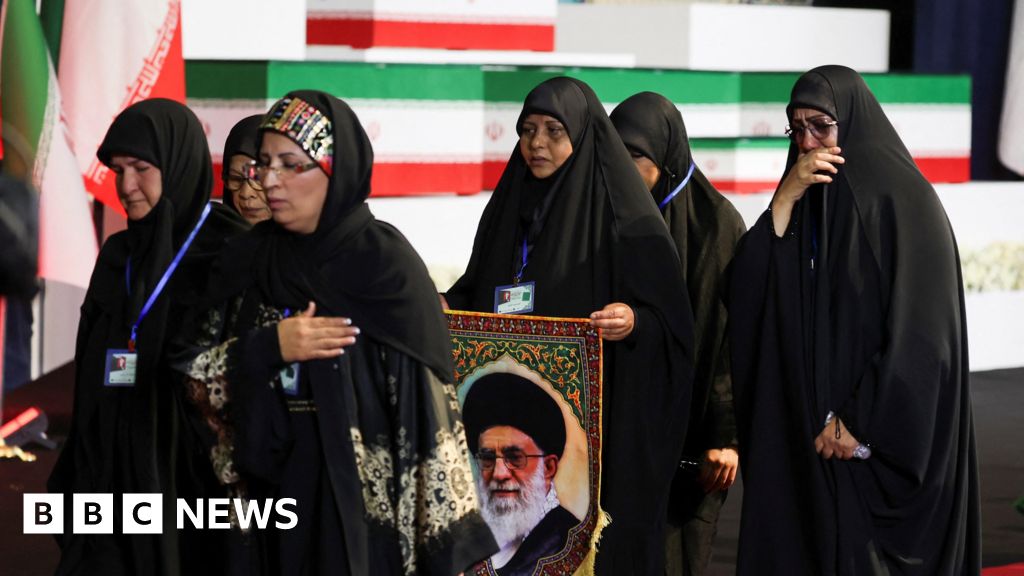
The passing of former Ayatollah Ali Khamenei marks a significant moment in Iranian history. His contributions and leadership have shaped the nation over the decades. As thousands prepare to pay their respects, the opportunity to reflect on his legacy and impact becomes inevitable.
Remembering a Leader
Ayatollah Ali Khamenei served as Iran’s Supreme Leader for many years, guiding the country through complex political landscapes and international challenges. His tenure was characterized by a mix of strong religious influence and a commitment to the principles of the Islamic Revolution. Khamenei’s leadership style emphasized ideological purity and resilience, often rallying public sentiment against external pressures.
Born in 1939, Khamenei rose through the ranks of the Shia clergy, ultimately becoming a prominent figure in the Islamic Revolution of 1979. His beliefs and convictions were shaped by the tumultuous events that unfolded during that period. The revolution not only changed the political landscape of Iran but also implanted a revolutionary mindset that Khamenei would carry as a leader. His profound influence extended beyond religious matters, impacting Iran’s foreign policy, economy, and societal values.
The Procession of Mourning
In honor of Khamenei’s legacy, his body will be laid in state at the Grand Mosalla in Tehran starting this Friday. This venue, a significant religious and cultural center, is expected to draw vast crowds as citizens come to pay their respects. The government has designated multiple days for public mourning, allowing both ordinary citizens and officials to express their gratitude for his unwavering commitment to the nation.
Live coverage of the proceedings is expected to draw attention not only from inside Iran but also from the global community. As Iranians gather to commemorate their former leader, discussions and reflections on his impact are likely to dominate both local and international news. Mourning rituals are deeply rooted in Iranian culture, and this occasion will undoubtedly resonate with many who have grown up under his influence.
The Future Beyond Khamenei
As the nation grapples with the loss of its Supreme Leader, questions about the future are surfacing. Who will take the mantle of leadership in Iran? The next leader will need to address not only domestic issues but also the complexities of international relations, particularly with Western nations. The legacy of Khamenei will loom large over his successor, who will face immense pressure to continue his policies while navigating an evolving geopolitical landscape.
The transition period following his death will be a critical time for Iran. Analysts will be closely watching how power dynamics shift within the political elite. The internal factions and their varying ideologies could influence the direction of the country in the years to come. This moment may also provide an opportunity for renewed dialogue within society regarding change and the Iran of the future.
In conclusion, the passing of Ayatollah Ali Khamenei heralds a transformative period for Iran. As the country mourns, reflections on his multi-faceted legacy will be at the forefront of both public and private discourse. The world will keenly observe how this mourning gives way to new leadership and policies in the coming days.