
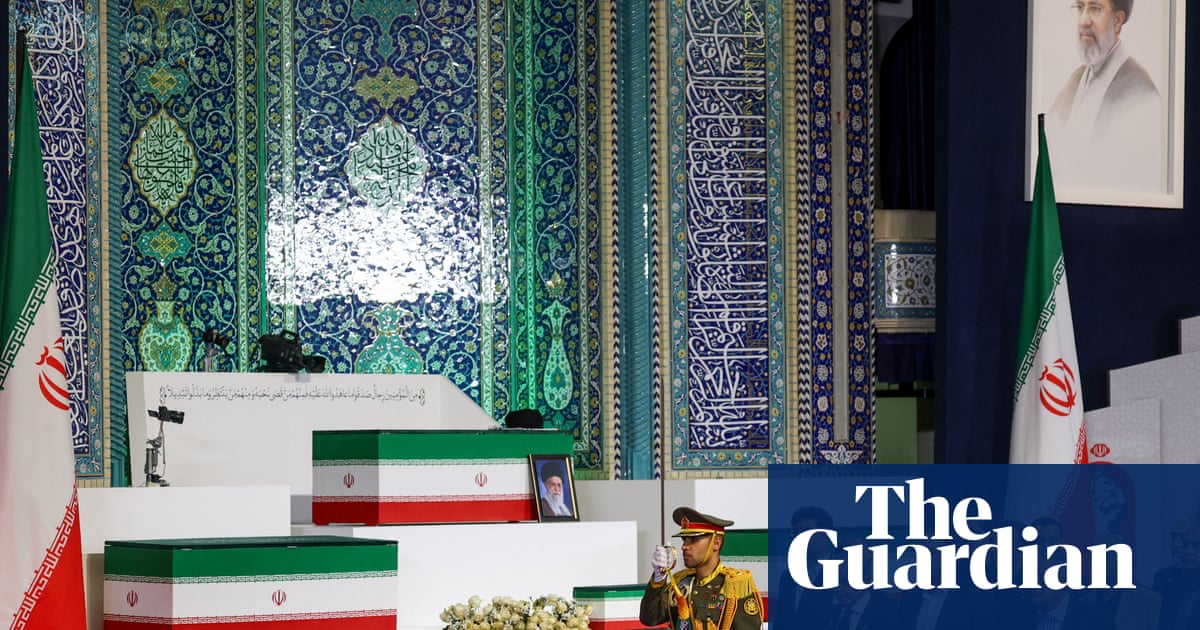
Millions of Iranians converged in Tehran to pay their respects during the six-day funeral for Ali Khamenei, the nation’s supreme leader for 36 years. This significant event followed his tragic death due to US and Israeli strikes, marking a pivotal moment in the region’s ongoing conflict. He was killed in February, alongside several family members, and their coffins were displayed together during the ceremonies. Iran’s first vice-president, Mohammad Reza Aref, characterized the funeral as “the most important event of this century,” underscoring the profound significance of Khamenei’s leadership and the impact of his passing.
The Legacy of Ali Khamenei
Ali Khamenei’s tenure as Iran’s supreme leader was marked by significant political and social shifts within the country. Over nearly four decades, he had a profound influence not only on Iran’s domestic policies but also on its international relations. His leadership saw Iran navigating complex challenges, from economic sanctions to geopolitical tensions with Western nations. Khamenei’s vision of governance centered around theocratic principles blended with post-revolutionary ideals, shaping the nation’s identity in the eyes of its citizens and the world. His death marks the end of an era, raising questions about the future direction of Iranian politics.
National Mourning and Mobilization
The mass gathering in Tehran is a testament to Khamenei’s profound impact on Iranian society, reflecting both communal grief and unwavering loyalty among his supporters. The state-organized funeral facilitated a collective mourning process, with people from all walks of life participating. Flags were raised at half-mast, and memorials were conducted nationwide, signaling a state of mourning that transcends personal loss. The event not only honored Khamenei’s life and leadership but also served as a rallying point for the Iranian populace, reinforcing a sense of national identity during tumultuous times.
The Role of Officials in the Funeral
Top officials from various levels of government attended the ceremonial events, signifying the political importance of Khamenei’s legacy. Their presence highlighted the continuity of leadership in the face of adversity and showcased solidarity within the ruling elite. Leaders articulated Khamenei’s contributions to the nation, recounting his pivotal role in shaping Iran’s defiance against foreign intervention and promoting self-sufficiency. The formal proceedings contributed to the larger narrative of resilience and determination among proponents of the Islamic Republic, aiming to galvanize support in an increasingly complex geopolitical landscape.
The Future Beyond Khamenei
With Khamenei’s death, the question of succession looms large over the Iranian political landscape. His passing opens up vital discussions about who will step into this powerful role and how they will navigate both internal and external challenges. The ensuing power struggle could redefine Iran’s domestic policies and foreign relations, particularly concerning its contentious relationship with the West. As the nation reflects on its leader’s legacy, the future remains uncertain yet charged with the potential for change, prompting both anticipation and concern among the citizenry and international observers alike.