
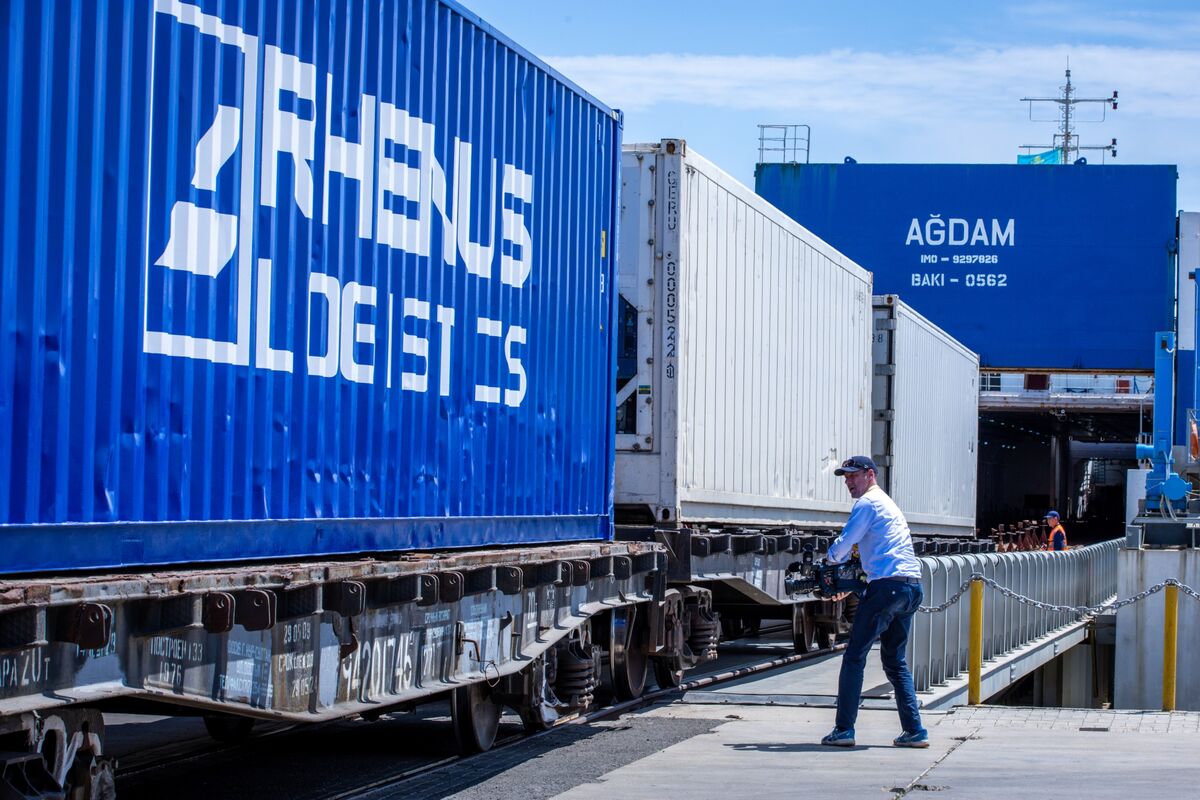
Kazakhstan is making significant strides in enhancing its railway infrastructure to accommodate an increasing demand for freight transport between China and Europe. These developments are particularly timely, given the recent shifts in global trade dynamics resulting from the ongoing conflict in Iran.
Rail Expansion Initiatives
Kazakhstan Temir Zholy (KTZ), the national railway operator, is at the helm of these expansion efforts. Their strategic plans include extending tracks and upgrading existing facilities to create a more efficient transport network. This initiative is crucial as businesses seek reliable routes for shipping goods across Eurasia. By improving rail connectivity, Kazakhstan aims to position itself as a vital link in the global supply chain.
The war in Iran has prompted many companies to look for alternative trade routes. As a result, Kazakhstan’s role as a transit hub becomes even more important. The nation is set to enhance its capabilities to handle increased cargo volumes, making it a preferred choice for logistics firms looking for efficient ways to move products from Asia to Europe.
Investment in Infrastructure
To actualize these plans, KTZ is investing heavily in modernizing its railway system. This includes acquiring advanced technologies and equipment to streamline operations and reduce transit times. The investment is not just limited to tracks; it encompasses terminals, signaling systems, and maintenance facilities.
Such upgrades are not only about meeting current demand but also about preparing for future growth. With the global economy evolving and trade routes being recalibrated, Kazakhstan is positioning itself for long-term sustainability in freight transport. Enhanced infrastructure will attract more investment and business opportunities, contributing to the nation’s economic prosperity.
Impact on Trade Relations
The transformation of Kazakhstan’s railway network is expected to have significant implications for international trade. As companies adapt to new geopolitical realities, the efficiency and reliability of transport routes will become paramount. Kazakhstan’s enhanced capabilities could lead to reduced shipping times and lower costs for businesses engaged in cross-border trade.
This shift in strategy also encourages greater collaboration between Kazakhstan and its partners in China and Europe. Enhanced railway infrastructure supports bilateral trade agreements and contributes to regional economic stability. As freight volumes increase, Kazakhstan’s position as a transit hub will be solidified, attracting a wider array of logistics services.
Conclusion: A Bright Future for Kazakhstan’s Railways
Kazakhstan’s investment in its railway infrastructure is a proactive response to the ongoing changes in global trade dynamics. As the nation strives to meet rising demand for efficient transport solutions, it is setting the stage for a more interconnected and resilient economy. The upgrades not only benefit Kazakhstan but also enhance trade relationships with neighboring countries, paving the way for a prosperous future in freight transport. With KTZ leading these ambitious initiatives, Kazakhstan is poised to become a central player in the global logistics landscape.