
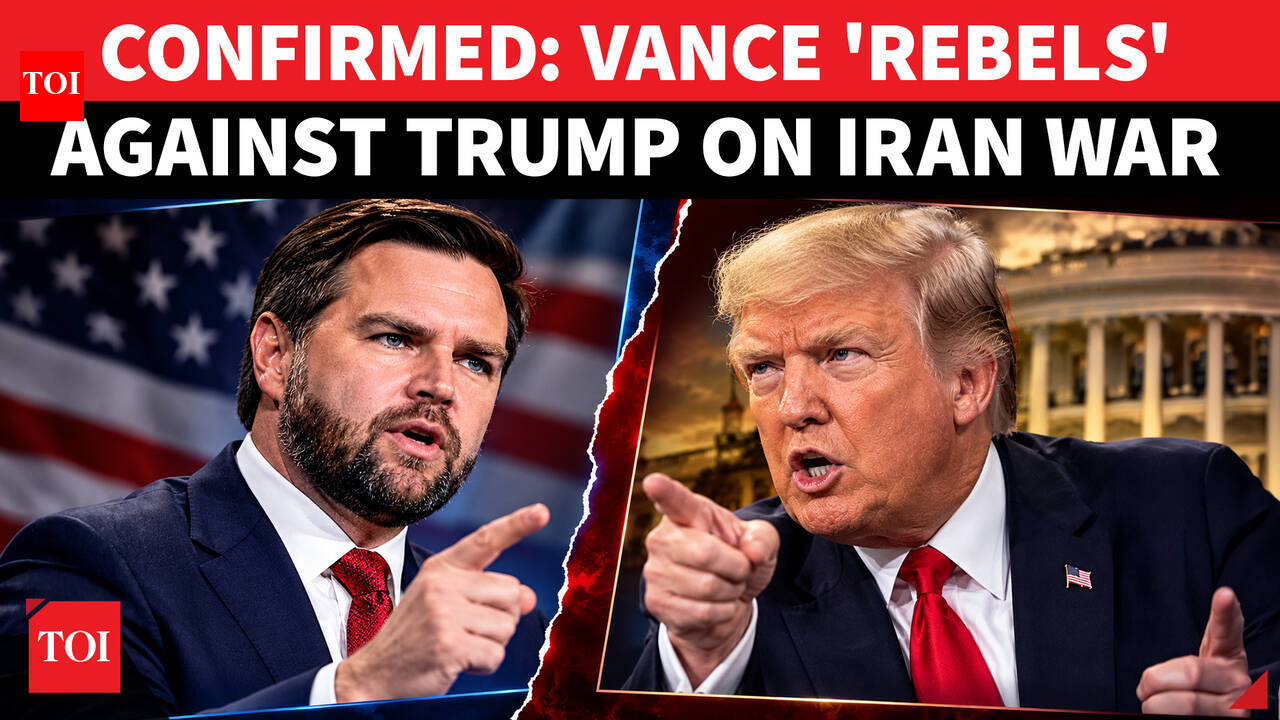
US Vice President JD Vance has recently indicated a rift with President Donald Trump regarding the ongoing situation in Iran, bringing to light potential fractures within the MAGA movement. During an interview with former White House communications director Sean Spicer, Vance expressed that he has different views from Trump on the issue, suggesting that his stance might not align with the prevailing sentiment among MAGA supporters.
Disagreements Within the MAGA Movement
Vance’s comments reveal a deeper conversation about leadership and strategy within the Republican Party. His admission raises questions about how unified the MAGA coalition truly is, particularly when it comes to foreign policy. While Trump’s view has historically influenced the party, Vance’s willingness to voice dissent showcases an evolving political landscape. This development is particularly significant as the party continues to grapple with various challenges, both domestically and internationally.
Moreover, Vance has addressed the stark opposition from prominent conservative figures like Tucker Carlson. Carlson’s vehement criticism of the war underscores a growing divide in how political figures within the right perceive military engagement. Vance highlighted Carlson’s strong emotions surrounding the issue but also encouraged him and other critics to acknowledge Trump’s other accomplishments. In emphasizing Trump’s successes in areas like border security and educational policies, Vance seeks to balance the conversation, calling for a more nuanced view of the former president’s legacy.
The Role of Foreign Policy in Modern Conservatism
As debates around foreign policy gain prominence, the MAGA movement faces an important crossroads. Many supporters of Trump have rallied around a more isolationist stance, believing that prioritizing domestic issues should take precedence over international conflicts. Vance’s acknowledgment of these divisions reflects not only personal convictions but also broader ideological battles within the movement.
These internal conflicts are not merely theoretical; they could have real implications for upcoming elections and policy-making. If Vance and others continue to present alternative viewpoints on foreign involvement, it might suggest a shifting focus for candidates seeking to align themselves with the MAGA base. Addressing the right’s stance on military action could become a defining issue as 2024 approaches, marking a pivotal moment for conservative voters trying to navigate between loyalty to Trump and their values on foreign intervention.
Finding Common Ground Amidst Diverging Views
In conclusion, while Vance’s comments reveal clear disagreements and highlight a critical conversation point within the GOP, there remains an opportunity for unity and understanding. As the political arena becomes increasingly polarized, navigating these differences may be essential for the MAGA movement’s future. Candidates will need to present a coherent vision that resonates with both traditional Republican values and the current ethos of conservative populism.
Ultimately, the scrutiny of Trump’s policies, combined with emerging voices like Vance’s, may redefine the path forward for American conservatism. With significant elections on the horizon, leaders within the MAGA movement face the challenge of reconciling differing viewpoints while maintaining a cohesive front. The outcome of this internal dialogue will shape the party’s strategy and political identity for years to come.