
The ongoing conflict in Iran has far-reaching implications, extending beyond immediate energy concerns and affecting global food security. As geopolitical tensions rise, experts highlight the dire consequences for agricultural markets and food systems worldwide.
The Strait of Hormuz: A Crucial Trade Route
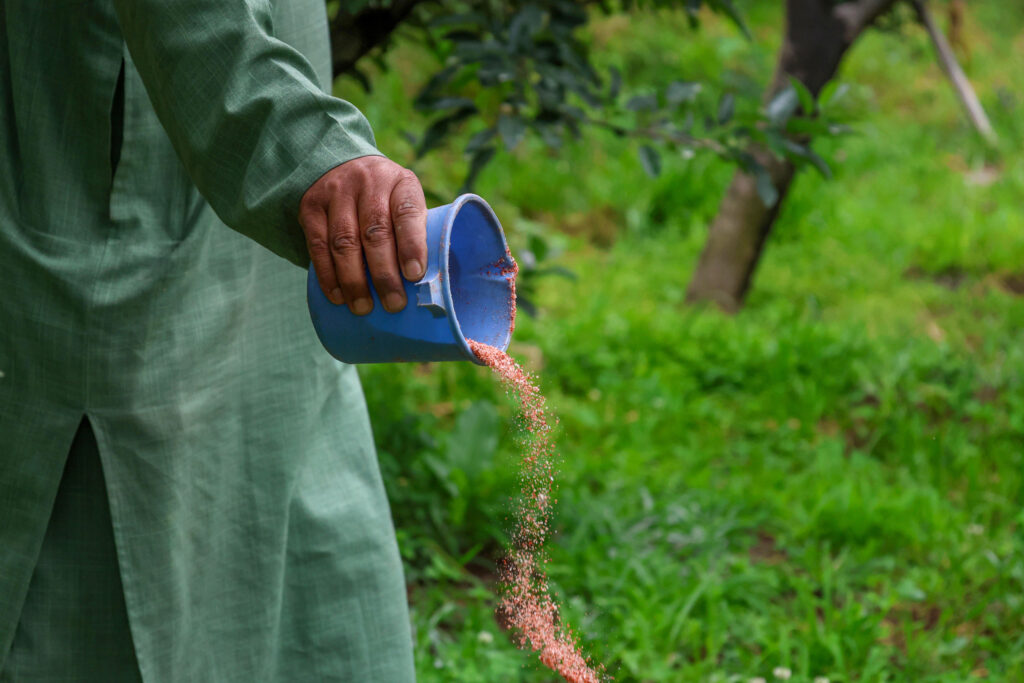
The Strait of Hormuz has emerged as a significant choke point for global food supplies, with about one-third of the world’s fertilizer trade relying on this critical waterway. The closure of shipping lanes due to unrest in Iran has raised alarms among international organizations. Máximo Torero Cullen, chief economist at the United Nations’ Food and Agriculture Organization, described the blockade as a “critical failure point for global food security.” This disruption has immediate economic impacts, with the World Bank predicting an average increase of 31% in fertilizer prices this year, a shocking escalation that could plague agricultural production.
The ramifications of this fertilizer supply crisis are profound. Torero notes that the disruption leads to an unprecedented shock to agricultural inputs, which could undermine food production not just for the present, but extending well into next year. This situation raises the specter of increasing food prices and a surge in global hunger, particularly affecting the most vulnerable populations.
Impact on Vulnerable Regions
Not every nation will feel the pressure equally; the fallout is expected to hit hardest in regions heavily reliant on imported food and fertilizer, such as South Asia, East Africa, and the Middle East. According to U.N. analysis, even minor supply chain disturbances can push millions into hunger and poverty. Should these disruptions continue into next year, the World Bank warns that global food consumption could be adversely affected for several years.
Experts advocate for immediate actions to protect food security. However, Torero emphasizes the need for long-term structural changes, such as reducing dependency on fossil fuels, which are crucial in the production of synthetic fertilizers. The dual crises of energy and fertilizer supply chains reinforce each other’s vulnerabilities, further destabilizing global food systems.
Building Resilience Through Sustainable Practices
In light of these crises, the urgent need for sustainable agricultural practices becomes evident. Jasper Verschuur, a researcher at the University of Oxford, argues that minimizing dependence on fossil fuels is crucial for developing resilient food production systems. Transitioning to local agricultural practices and using renewable energy for fertilizer production, like “green ammonia,” could help create a more stable supply chain.
Additionally, Benjamin Selwyn from the University of Sussex points out that local food systems can help mitigate the risk of fluctuating food prices tied to energy costs. By investing in agroecological methods—like intercropping, utilizing organic fertilizers, and adopting precision agriculture—communities can enhance their resilience against market shocks.
Combating Future Challenges
While there’s a growing consensus on moving away from food crops for biofuels—especially during fertilizer shortages—this is just one piece of a complex puzzle. Mike Badzmierowski from the World Resources Institute warns that using food crops for biofuel exacerbates food security issues. In the face of climate change and increasing extreme weather events, the urgency for adaptive strategies is amplified.
Experts indicate the need for substantial system changes to address the combined challenges of geopolitical instability and climate change. The potential impacts of climatic phenomena, like El Niño, further complicate the landscape, creating a multifaceted risk for global agriculture. In this context, the call for transforming food systems is not just timely—it’s vital for safeguarding food security in an increasingly unpredictable world.