
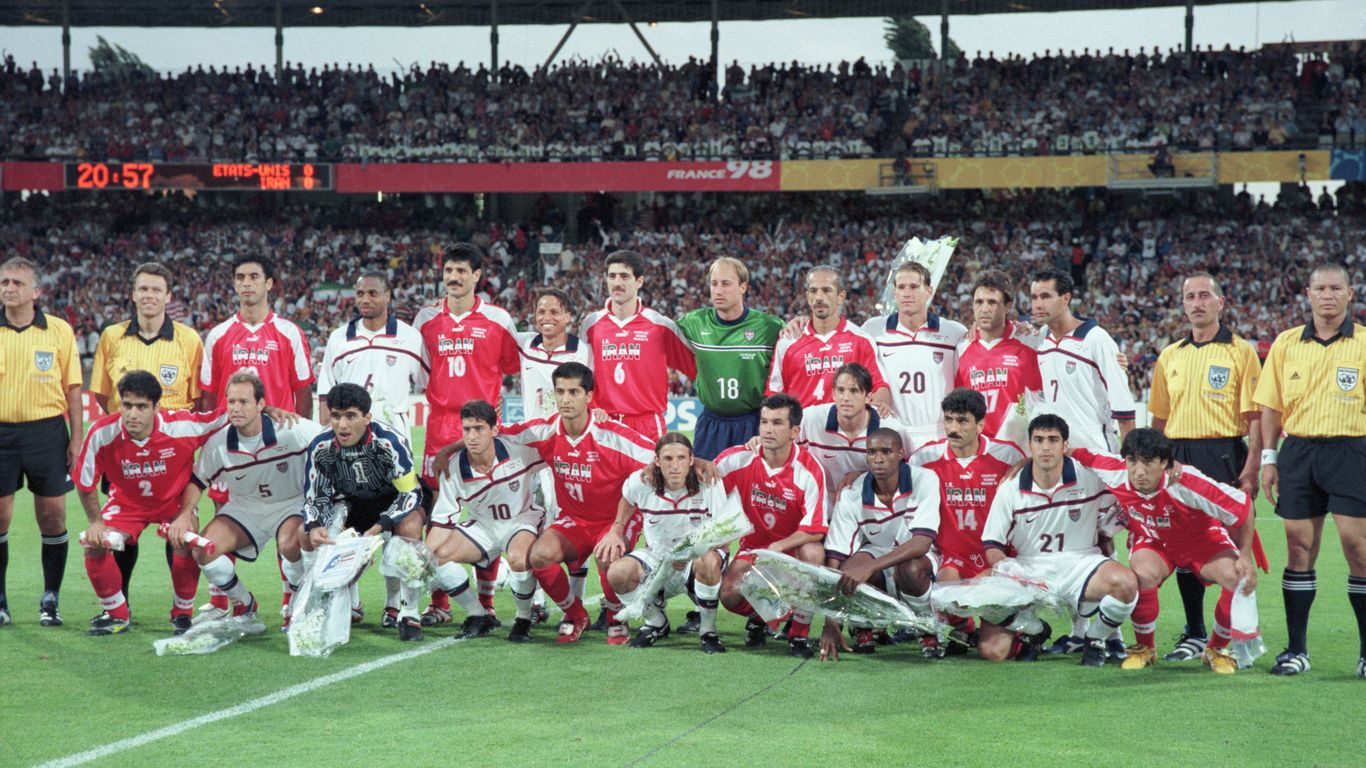
Iran’s national football team encounters significant challenges whenever it competes on U.S. territory. These obstacles range from political tensions to logistical hurdles that can impact their overall performance.
Political Climate and Its Impact
The geopolitical environment between Iran and the United States plays a substantial role in the complications that arise for the Iranian team. Political relations have been strained for decades, leading to heightened scrutiny whenever the team plays in the U.S. These tensions can create a challenging atmosphere, affecting both players’ mental health and performance on the field.
Logistical Complications
Traveling to the United States introduces a series of logistical issues for Iran’s national team. Securing visas can be a daunting process due to the stringent immigration policies in place. Players may face delays or rejections, which can disrupt team cohesion and preparation for matches. Additionally, the lack of direct flights from Iran to the U.S. means longer travel times, further exhausting the athletes before game day.
Cultural Barriers and Fan Reception
Cultural differences also present challenges during their stays in the U.S. The Iranian players must navigate a vastly different social and cultural landscape, which can be both disorienting and distracting. Moreover, fan reception can vary, with some supportive crowds, but also pockets of hostility influenced by political sentiments. These variable fan dynamics can impact the players’ morale, ultimately affecting their performance on the field.
Strategies to Overcome Challenges
Despite these obstacles, the Iranian national team has developed strategies to mitigate some of these challenges. Fostering a strong team spirit through bonding activities can help players acclimatize to their environment. Additionally, relying on local Iranian communities can provide a sense of familiarity and support, which is crucial for maintaining focus during their stay. Employing experienced staff who can manage logistics efficiently is another key strategy that aids in navigating the myriad issues that arise when competing in the U.S.
In conclusion, while the Iranian national football team faces a unique set of challenges each time it competes in the United States, understanding and addressing these hurdles can lead to improved performance and experiences on the international stage. The interplay between politics, logistics, and culture will continue to shape the landscape of their competitions, necessitating ongoing adaptation and resilience.