
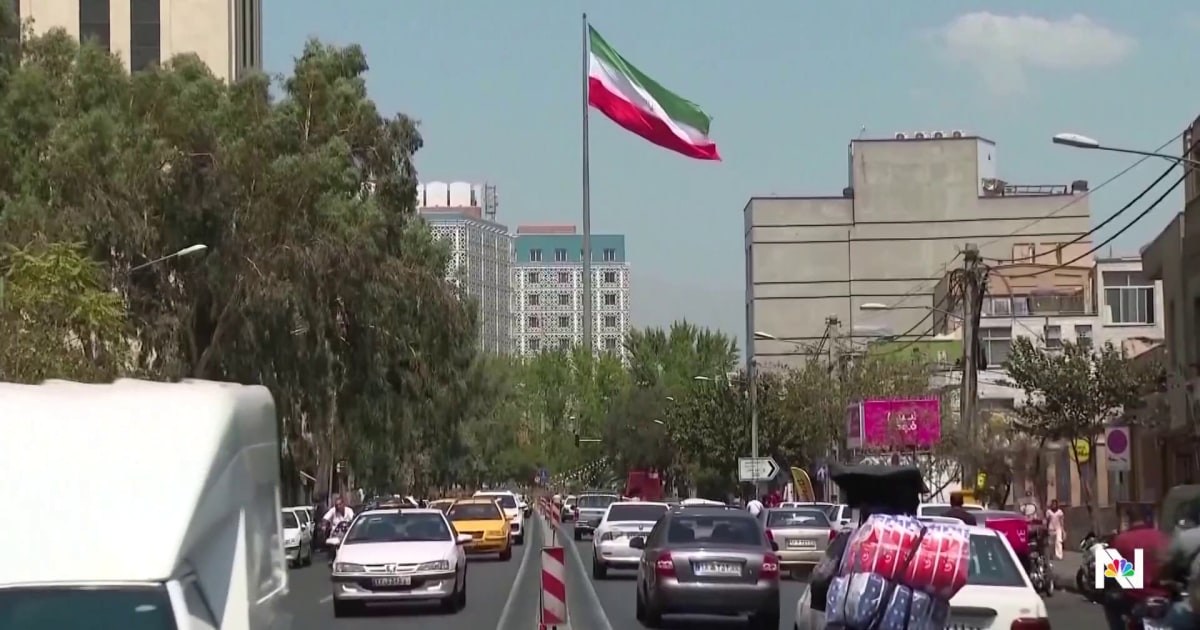
In the ever-evolving landscape of current events, one topic that has garnered significant attention is the escalating tensions between the U.S. and Iran. The situation has intensified recently, with serious threats being issued by Iranian military officials aimed at American military bases in the Middle East. This article will delve deeper into the implications of these threats and what they mean for U.S. foreign policy.
The Background of U.S.-Iran Relations
The relationship between the United States and Iran has been fraught with tension and conflict for decades. Following the 1979 Iranian Revolution, diplomatic relations were severed, leading to a series of confrontations ranging from economic sanctions to military engagements. The U.S. has accused Iran of supporting terrorism and destabilizing the region, while Iran has consistently viewed American presence as a threat to its sovereignty. Recent developments have exacerbated these animosities, particularly following the U.S.’s withdrawal from the 2015 nuclear deal.
Recent Military Threats from Iran
In a bold move, the Iranian military has issued a warning that it will retaliate against U.S. forces if perceived as a threat. This declaration is alarming, especially amid ongoing military operations in the region. President Trump has responded by alluding to the possibility of renewed military strikes if Iran engages in actions deemed aggressive. This tit-for-tat exchange reflects a volatile relationship that risks escalating tensions and could potentially lead to armed conflict.
Potential Implications for U.S. Foreign Policy
The ramifications of Iran’s threats extend beyond immediate military concerns. The U.S. government must navigate a complex web of international relations while considering the fallout of these tensions. Should the situation escalate into direct conflict, it may lead to a re-evaluation of U.S. military presence in the Middle East, as well as renewed calls for diplomatic efforts to mitigate risks. Additionally, allies in the region may feel pressured to take sides, further complicating an already intricate geopolitical landscape.
The Broader Impact on Global Security
The ongoing situation between the U.S. and Iran is a critical issue that affects global stability. Heightened tensions can lead to increased volatility in oil markets, cyber-attacks, and even terrorism, as various state and non-state actors may exploit weaknesses for their gain. Countries worldwide are closely monitoring the developments, and both public and private sectors must remain vigilant in addressing potential threats while promoting security and peace.
As we observe these unfolding events, the world watches to see if diplomacy can prevail over conflict, and whether pathways to peace can be established before approaching a dangerous precipice. The situation remains fluid, but one thing is certain: the attention of international leaders and citizens alike is firmly fixed on the actions of the U.S. and Iran.