
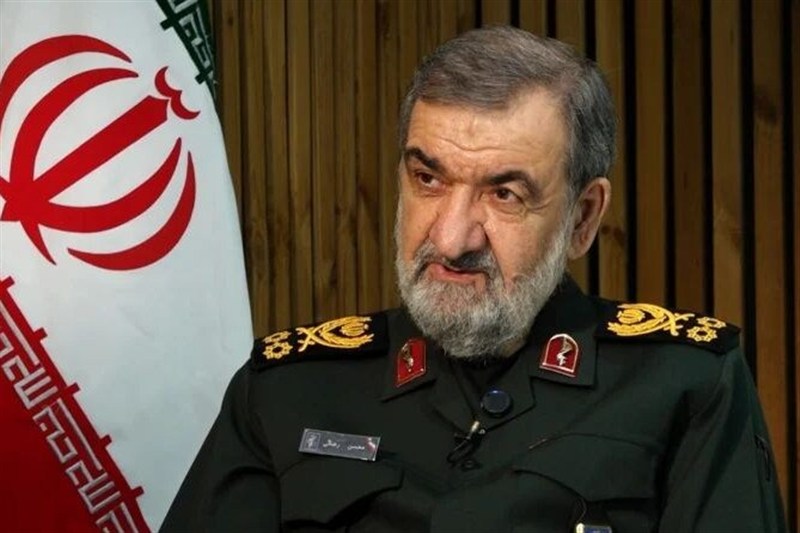
On Friday, Rezaei shared his thoughts on X, criticizing the current U.S. president, Donald Trump, for what he perceives as an endless cycle of empty threats and rhetoric. This commentary highlights the disconnect between Trump’s statements and the actual situation on the ground regarding U.S.-Iran relations.
Trump’s Empty Rhetoric
In his post, Rezaei characterized Trump as the “worst president in American history,” suggesting that despite a series of failures, the president continues to make bold proclamations. He emphasized that Trump’s words have become increasingly detached from reality, implying that this rhetoric does not accurately reflect the effectiveness or strength of the U.S. position. This assessment raises questions about the credibility of the president’s statements on the global stage, particularly concerning international relations and military strategy.
Reality Check from Iran
Rezaei urged that the concept of victory should not remain confined to Trump’s imagination. Instead, he pointed to the real influencers shaping the situation: the Iranian people, their armed forces, and their missile capabilities. This assertion aims to serve as a reminder that geopolitical realities are not determined by mere proclamations or wishful thinking but by tangible actions and the strength of national will. By highlighting Iran’s military and their resolve, Rezaei seeks to project confidence in his nation’s position amidst ongoing tensions.
The Consequences of Miscommunication
The stark contrast between Trump’s rhetoric and the actual dynamics in the region underscores the potential dangers of miscommunication in international relations. When leaders make exaggerated or unfounded claims, it can lead to misunderstandings and increased tensions, which may ultimately compromise diplomatic efforts. Rezaei’s comments reflect deep-rooted frustrations regarding the U.S. approach to Iran, suggesting that elevated rhetoric without action could be counterproductive. For both nations, the stakes are high, and miscalculations could have significant consequences.
In conclusion, Rezaei’s portrayal of Trump underscores a broader concern regarding the efficacy of American foreign policy, particularly in relation to Iran. As the geopolitical landscape continues to evolve, the emphasis should remain on meaningful dialogue and understanding rather than inflammatory rhetoric. Both leaders and their advisors must navigate these complex dynamics carefully to avoid escalating tensions and to foster more stable international relations.