
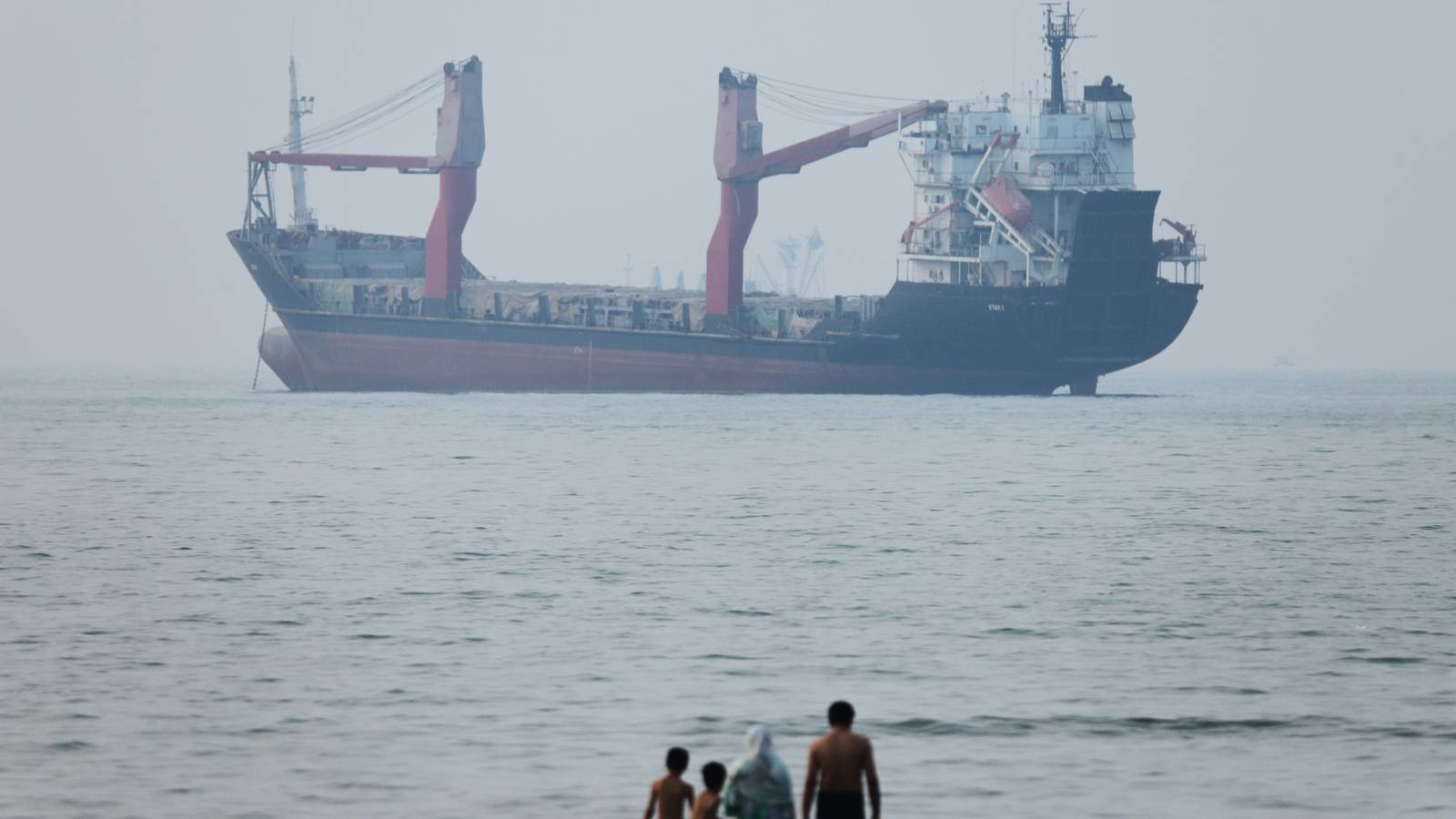
Iranian lawmakers are currently engaged in discussions regarding a prospective agreement with Oman concerning the crucial Strait of Hormuz. Meanwhile, U.S. President Donald Trump has indicated that significant progress in these negotiations is nearing fruition. This proposed deal is vital, not only for regional stability but also for global energy markets.
Progress in Negotiations
President Trump stated that “talks are moving along” but refrained from providing further details when questioned by the press. Iranian Deputy Foreign Minister Kazem Gharibabadi noted earlier this week that a basic understanding has been reached with Oman. Additionally, sources from Iranian state television reported that a lawmaker has predicted the final text of the agreement will be made public shortly. Despite this optimism, the complexity of the negotiations remains, especially with various Iranian politicians seeking specific terms, such as the exclusion of U.S. and Israeli vessels from the waterway—a demand that clashes with U.S. calls for free passage.
Negotiation Challenges and Clauses
Other proposed additions to the deal include Iran requesting compensation from nations deemed “hostile,” a ban on shipments associated with Israel, and a detailed fee structure for services like insurance and environmental regulations. The backing of Supreme Leader Mojtaba Khamenei is crucial for the agreement’s progression, but officials have indicated that discussions with him can be lengthy.
The management of the Strait is particularly significant for enhancing energy flow, which has seen fluctuations due to ongoing hostilities. Although there has been some continuity in energy transport, the volumes have not reached pre-conflict levels since the U.S. and Israel engaged in aggressive actions against Iran. Some sources report Iranian naval activities that target “hostile entities,” emphasizing persisting tensions in the region, which have implications for international maritime operations.
Obstacles Ahead
There are concerns among Arab mediators that Iran’s negotiators might struggle to ensure compliance with any agreements reached. Critics argue that the Iranian diplomatic efforts are under pressure from hardliners for clearer references to Iran’s involvement in managing the strait and tangible benefits from any arrangements. Moreover, the debate around U.S. and Israeli vessels adds another layer of complexity to the negotiations, as the shipping industry is often interconnected across various ownership structures.
Trump has emphasized that navigation through the Strait of Hormuz must be reinstated and hinted at possible military repercussions if Iran continues to restrict access. While Tehran insists that a complete reopening is contingent upon lifting the American maritime blockade, the U.S. has not indicated any change in its stance, further complicating the diplomatic landscape.
As recent escalations in hostilities between the Houthis and Saudi Arabia showcase, the regional conflict continues to evolve. The Houthi militia has carried out significant attacks against Saudi-aligned troops in Yemen, resulting in considerable casualties. These developments underscore the precarious nature of peace efforts in the region and the multifaceted challenges facing any forthcoming agreement regarding the Strait of Hormuz.
In conclusion, while there appears to be a glimmer of hope for an agreement regarding the Strait of Hormuz, numerous hurdles remain. The dynamics involving U.S. interests, Iranian hardliners, and regional activists present a complex web that will undoubtedly shape the future of naval navigation through this vital corridor. Continued vigilance and strategic engagement are essential to foster a framework that balances regional stability with international maritime law.