
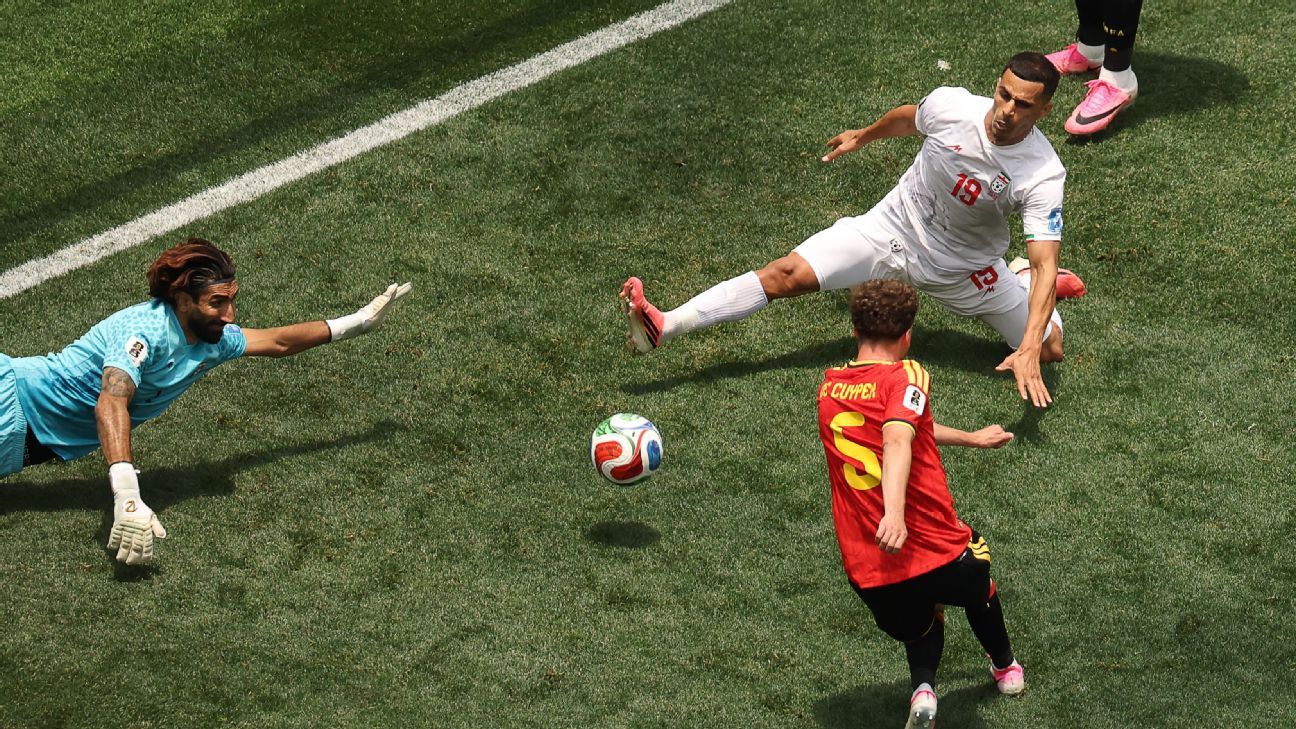
The Iran national soccer team is set to have a slightly altered schedule during the upcoming World Cup matches in the United States. According to the Department of Homeland Security (DHS), the team is now permitted to arrive a day earlier than what was previously allowed for prior tournaments. This decision aims to better accommodate the players and streamline their schedule amid various logistical challenges.
Changes to Arrival Schedule
As reported on June 23, 2026, the Iranian squad will be able to enter the U.S. just two days before their third match against Belgium in Seattle on June 26. A spokesperson for DHS stated that while this updated timeline offers some flexibility, the team must exit immediately following their match. “We remain committed to providing the safest tournament possible for players, staff, and fans alike,” emphasized the spokesperson, reflecting the ongoing security protocols in place.
This change is particularly significant given that Iran’s base for the tournament has been relocated from Arizona to Tijuana, Mexico. The team has expressed frustration regarding the previous requirement to travel to matches just a day prior and return right after. These tight travel windows pose challenges, particularly when combined with visa complications faced while entering both the U.S. and Mexico.
Challenges Faced by the Iranian Team
Iran’s head coach, Amir Ghalenoei, has voiced concerns about the unfavorable conditions under which the team has been competing, particularly after their recent 0-0 draw against Belgium. He stated that the logistical hurdles made it difficult for the players to prepare adequately for such a significant match. In light of the ongoing travel issues, the squad found themselves in a position of disadvantage against a highly-ranked opponent like Belgium, which is currently ranked 10th by FIFA.
In their prior match against New Zealand, Iran managed a 2-2 draw, but the team landed in the U.S. only the night before. After playing, they were forced to travel back to Mexico the same day, a situation they plan to take up with FIFA in a formal complaint. The request earlier to arrive in Los Angeles a couple of days ahead of the match was denied, adding to their existing challenges.
U.S. Perspective on Iran’s Complaints
Amid these issues, Andrew Giuliani, the executive director of the White House World Cup task force, defended the U.S. handling of Iran’s visa situation. He stated in an interview that all 31 players and their coaches have received the required visas, asserting that the U.S. is striving to ensure a competitive balance. Despite the criticisms expressed by the Iranian team, he emphasized the hospitality offered by the United States.
Further complicating matters, there have been reports of visa applications for certain officials related to the Iranian team being denied. This adds another layer of complexity to the issues already faced by the players and coaching staff. On Fox News, U.S. Homeland Security Secretary Markwayne Mullin disclosed that an individual connected to the Islamic Revolutionary Guard Corps had attempted to board the Iranian team’s flight to Los Angeles, which naturally raised concerns.
As the situation unfolds, Iran finds itself at the center of a tournament hosted by a nation with which it has had longstanding tensions. This World Cup marks a historic milestone, being the first time Iran competes in such a high-profile event under these circumstances, reflecting a unique blend of sports and international relations.