
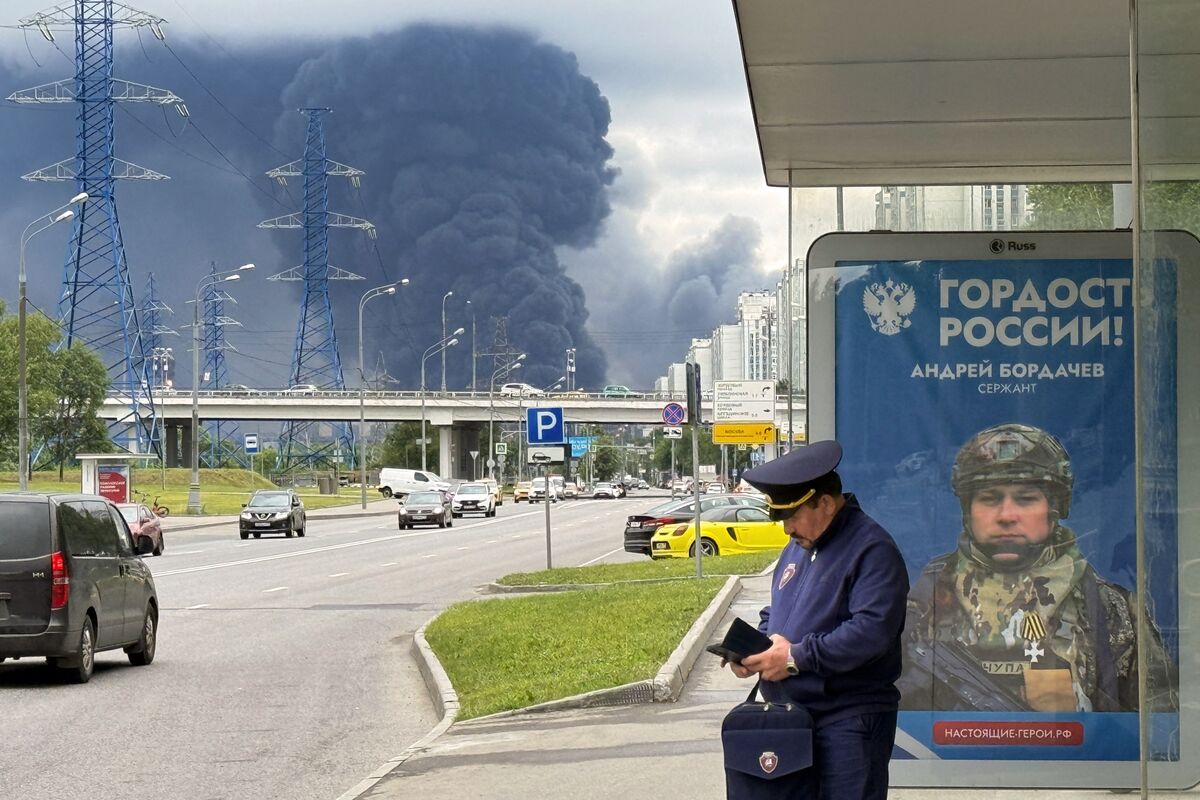
The conclusion of the Iran conflict has brought some relief to the crude oil market, as prices have dropped below $75 a barrel. This decline mirrors the levels recorded before hostilities commenced in February. However, a new challenge has emerged due to the ongoing escalation of the Russia-Ukraine war, which is significantly impacting the cost of refined petroleum products, keeping them at high levels as if crude prices were still elevated.
Crude Oil Market Stabilization
The end of the Iran war marks a pivotal moment for the oil market. With crude prices stabilizing under $75 a barrel, analysts expect some level of equilibrium to be restored. Before the conflict erupted, crude oil had maintained a level that allowed for more predictable economic conditions globally. This reduction comes as a relief to economies heavily reliant on stable oil prices, suggesting that the end of the Iran war has had a direct and positive effect on crude oil rates.
Despite the good news regarding crude oil prices, the current geopolitical landscape presents new hurdles. The conflict between Russia and Ukraine has seen a significant escalation in recent weeks, which has consequences that ripple through the global energy market. While crude oil prices may be falling, the price of refined petroleum products remains stubbornly high, creating a paradox in the oil industry that warrants closer examination.
Impact on Refined Petroleum Prices
Even though crude prices are decreasing, the cost of refined products, such as gasoline and diesel, remains elevated. This discrepancy can be attributed to a variety of factors, including supply chain disruptions and geopolitical tensions that continue to affect production capabilities. The refined oil market often reacts differently than crude oil markets, influenced by immediate demand and supply constraints rather than the longer-term futures of crude oil.
The situation has raised questions about the effectiveness of current market dynamics and the role of international conflicts in shaping energy costs. As the Russia-Ukraine war continues to unfold, stakeholders in the oil industry must navigate an increasingly complex environment. This leads to higher operating costs, which are inevitably passed down to consumers, impacting everything from transportation to heating.
Future Implications for the Oil Industry
As we look ahead, the implications of these trends are significant for both producers and consumers. Analysts warn that high refined petroleum prices could persist, creating economic strains for households and businesses alike. Individuals may need to adjust their budgets to accommodate the elevated costs of fuel, while industries that rely heavily on transportation might face increased operational expenses.
Ultimately, the interplay between geopolitical events and the oil market leads to a complex landscape that is difficult to predict. Stakeholders must remain vigilant and adaptable in order to respond to the changes that can arise from escalating conflicts like the one in Ukraine. Understanding these dynamics will be key for businesses and consumers alike as they prepare for potential shifts in pricing and availability in the months to come.