
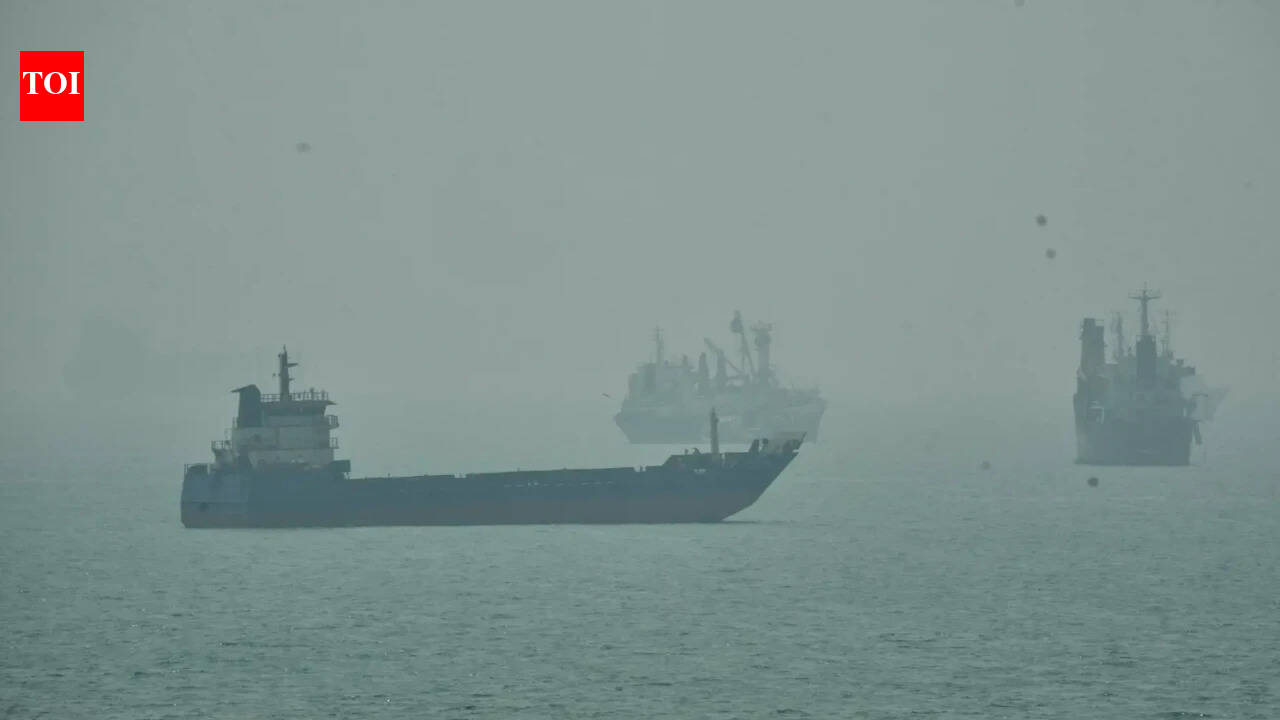
Iran’s parliament speaker, Mohammad Bagher Ghalibaf, recently issued a stark warning to the United States regarding potential repercussions if it targets Iran’s energy infrastructure. He emphasized that any assault on Iranian oil and gas resources would prompt retaliation against U.S. interests in the region. In the face of escalating tensions between Tehran and Washington, Ghalibaf’s statements highlight the fragile state of energy security in the Gulf.
Threats and Consequences
In a post on social media platform X, Ghalibaf pointed out that the oil and gas networks in the region are vast and easily accessible, meaning that U.S. assets could be similarly vulnerable. He stated, “If you strike our assets, you will face repercussions. We’ve demonstrated this already.” His warning underscores the potential risk to American companies operating in proximity to Iranian energy facilities, characterized by his blunt assertion: “The oil and gas production chain here is sprawling, accessible, and exposed.”
Ghalibaf’s comments serve not only as a defense of Iran’s strategic interests but also as a pivotal illustration of the broader geopolitical stakes involved. In a period of heightened fragility, the intersection of military threats and economic interests has gained additional complexity, particularly in the context of energy supply, which remains crucial for many nations.
Escalating Militarization
The backdrop to Ghalibaf’s remarks includes comments from U.S. Secretary of War Pete Hegseth, who has made it clear that any hostile action by Iran toward American vessels could lead to severe retaliatory measures. Hegseth stated that the U.S. could destroy Iranian oil tankers if strikes were launched against its Navy. His assertions reflect a broader militarization of the region, where the risks for shipping through vital channels like the Strait of Hormuz have grown dramatically.
These developments highlight the mounting tension in the Persian Gulf, where any confrontation could escalate into a more significant conflict, impacting global energy markets. The Strait of Hormuz is critical for international oil transportation, and the security of this waterway is becoming increasingly uncertain. Navigating these treacherous waters will require not only strategic foresight but also diplomacy to prevent a potential crisis.
A Commitment to Regional Stability
Iran’s Supreme National Security Council Secretary, Mohsen Rezaei, reiterated Tehran’s position regarding the Strait of Hormuz, indicating that Iran would ensure its security as long as U.S. threats and attacks ceased. He emphasized, “Iran will commit to keeping the Strait of Hormuz open when the U.S. neither threatens nor attacks Iran.” This statement showcases Iran’s willingness to maintain stability in the region, despite external pressures.
However, the establishment of an “exclusion zone” proposed by Iran raises further concerns. Such a move could disrupt maritime traffic and place additional pressure on energy markets, which are already fragile. The geopolitical tug-of-war in the Gulf continues to present challenges that could exacerbate tensions between Iran and the U.S. while also complicating relations with global partners reliant on energy imports.
In conclusion, the warnings from Iranian officials underscore the intricate balance of power and the risks associated with militarized confrontations over energy resources. With both sides on heightened alert, the stakes for regional and global stability have never been higher. Diplomacy and strategic dialogue are essential to prevent conflict and ensure the security of vital energy transit routes.