
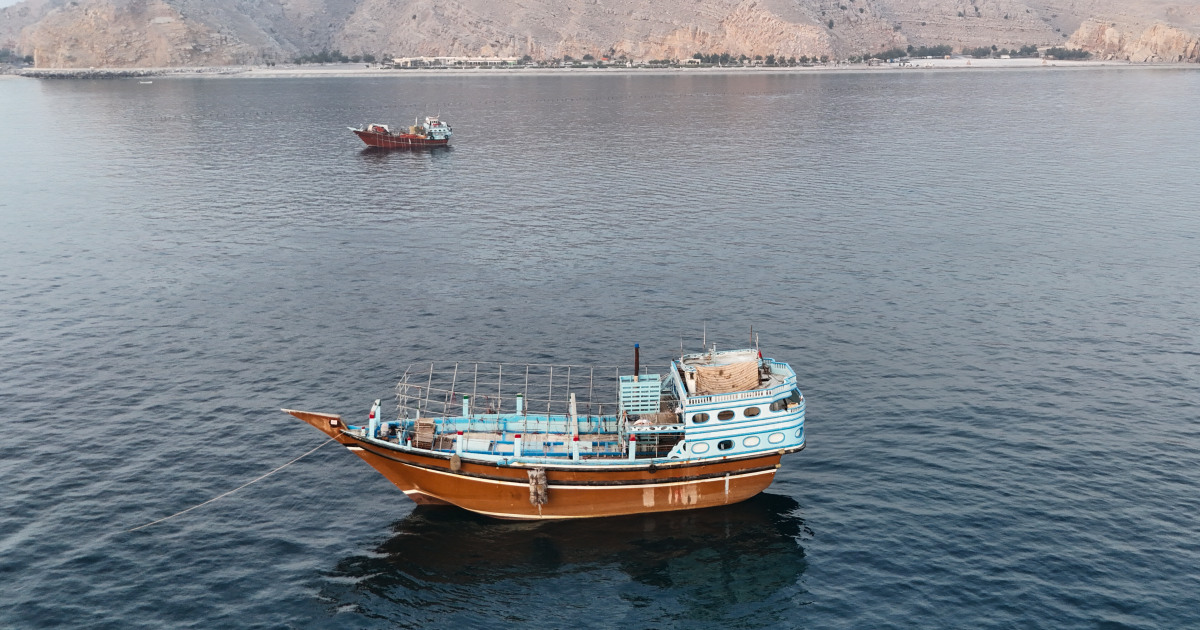
Rising Tensions between the U.S. and Iran: A Dangerous Cycle of Attacks
The situation between the United States and Iran has escalated dramatically, raising concerns over potential military conflict. Following a series of reciprocal strikes, tensions appear to be unraveling any hopes for peace between the two nations. President Donald Trump has voiced warnings about the possibility of war, highlighting the fragile state of international relations in the region.
Recent Aggressions and Military Responses
As tensions heightened, Iran launched attacks on both Bahrain and Kuwait, prompting a swift response from U.S. Central Command. The U.S. military conducted airstrikes on multiple Iranian targets, including missile and drone storage sites, claiming these actions were necessary to counter ongoing Iranian aggression towards commercial shipping in the vital Strait of Hormuz. President Trump, expressing frustration over Iran’s provocations, stated on social media that Iran’s failure to adhere to a ceasefire agreement might force the U.S. into a more decisive military role.
Iran’s Continuous Threats
The cycle of confrontation has not only involved the U.S. but also entailed aggressive rhetoric from Iranian officials. The Islamic Revolutionary Guard Corps (IRGC) declared that missile and drone strikes at U.S. military positions would continue, signaling a commitment to retaliate more fiercely for any perceived violations of the ceasefire. The warnings of imminent attacks against American bases have heightened fears of a broader conflict that could involve multiple regional players.
The Impact on Regional Security
Bahrain, hosting the U.S. Navy’s 5th Fleet, reported damage from the recent Iranian attacks, reinforcing its condemnation of Tehran’s actions. Kuwait’s military also confirmed that it had intercepted missiles aimed at its territory without any damage reported. Both nations are on high alert, preparing for potential further escalations. Meanwhile, U.S. allies in the region, including Qatar and Jordan, have expressed their disapproval of Iran’s aggressive tactics, emphasizing the need for diplomacy to resolve the situation.
Ripple Effects and Diplomatic Challenges
Despite the recent ceasefire agreement, both sides have accused each other of violations, undermining trust and complicating diplomatic efforts. The ongoing cycle of attacks appears to have begun with disagreements over shipping routes in the Strait of Hormuz, a critical waterway that facilitates a significant portion of the world’s oil trade. As ships have opted for alternate routes, Iran has reacted aggressively, resulting in retaliatory actions from the U.S.
The Importance of Dialogue
U.S. officials continue to call for direct dialogue, stressing the need to address grievances and avoid further violence. Vice President JD Vance highlighted that although disagreements are inevitable, resorting to violence only exacerbates the situation. The situation remains precarious as the potential for miscalculation looms.
Conclusion: A Fragile Path Forward
The escalating tensions between the U.S. and Iran depict a complex web of military engagement and diplomatic challenges. As both nations navigate this tumultuous landscape, the focus remains on achieving stability in the region through dialogue rather than further military confrontations. The diplomatic community watches closely, hopeful that renewed discussions may lead to a de-escalation of hostilities and a restoration of peace.