
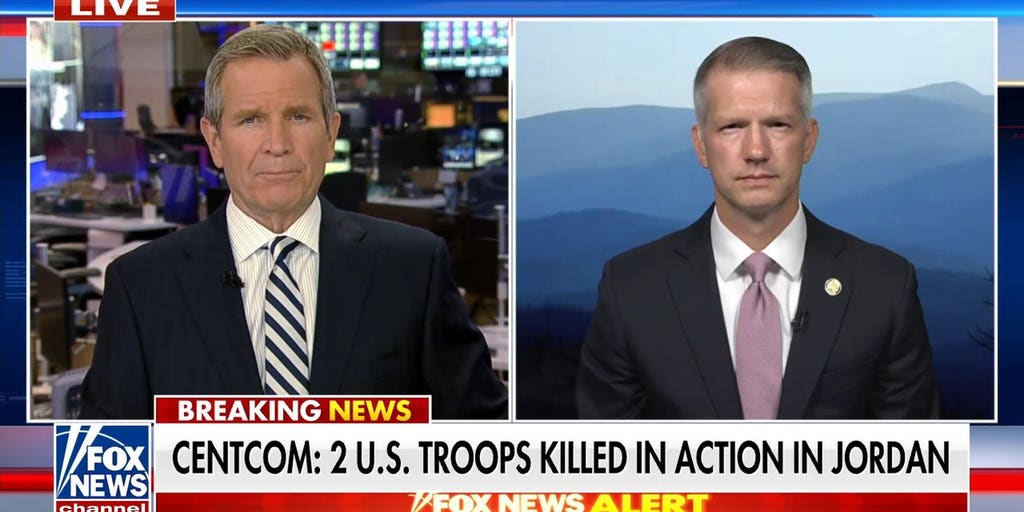
As global politics continues to evolve, the dynamics between major powers such as the United States, Iran, China, and Russia become increasingly significant. Recent discussions around U.S. strategies regarding Iran highlight the implications of these relationships, especially in light of potential support from China and Russia for the Iranian regime. Representatives like Riley Moore from West Virginia are at the forefront of these conversations, probing deeper into how these international relations might impact U.S. foreign policy.
The U.S. Strategy Towards Iran
The U.S. has a long and complex history with Iran, characterized by ongoing tensions that date back decades. In recent years, American strategies have shifted from direct military engagement to diplomatic measures and sanctions aimed at curtailing Iran’s nuclear ambitions. Central to this strategy is the need to form coalitions with allies while also gathering intelligence on interactions between Iran and its global partners, particularly China and Russia. As the U.S. outlines its foreign policy goals, these dynamics play a crucial role in determining the efficacy of its approach.
The Role of China and Russia
China and Russia have emerged as influential players in the Middle Eastern geopolitical landscape. Their support for Iran complicates U.S. efforts to impose sanctions and diplomatic pressure on the Tehran regime. Beijing, for instance, has been involved in various economic partnerships with Iran, fostering energy agreements that provide Iran with significant financial stability. Meanwhile, Russia has offered military and technological assistance, reinforcing Iran’s regional position. These relationships raise difficult questions about how the U.S. can effectively counterbalance the influence of these nations while promoting its interests in the region.
Implications for U.S. Foreign Policy
The intertwining interests of these global powers necessitate a thorough reassessment of U.S. foreign policy. A successful strategy must account for the multifaceted relationships among Iran, China, and Russia while also considering U.S. alliances in the region. Engaging allies and strengthening partnerships is crucial for the U.S. to maintain a strategic advantage. Moreover, understanding the economic and military dynamics at play will help inform policy decisions, ensuring they are rooted in a comprehensive understanding of the geopolitical landscape.
The Path Forward
Moving forward, it’s essential for the U.S. to adopt a nuanced approach toward its Iran policy while acknowledging the complexities of its relationships with Russia and China. This involves not just punitive measures but also exploring avenues for dialogue where feasible. By diversifying its strategies and reinforcing partnerships, the U.S. can navigate the intricate web of international relations effectively, ensuring its interests are represented while promoting stability and peace in the region. Continuous assessment and adaptation will be key to responding to the rapidly changing geopolitical climate.