
This report captures the significant developments in Iran as of October 23, 2026, encompassing protests, rallies, and the rising tensions surrounding the country’s sociopolitical and economic landscape.
Mobilization for Democracy
On October 20, 2026, the PMOI/MEK Resistance Units commemorated the 33rd anniversary of Maryam Rajavi’s designation as the president-elect of the National Council of Resistance of Iran (NCRI). This milestone was marked by over 50 activities across Iran, showcasing the resilience of organized resistance amidst increased government surveillance. Activists displayed banners, posters, and handwritten messages advocating for freedom and a democratic republic, following Rajavi’s Ten-Point Plan.
Key cities like Tehran and Isfahan were witnesses to vibrant displays of dissent, as colorful portraits of Rajavi adorned urban spaces alongside powerful slogans such as “The mullahs must go; sovereignty belongs to the Iranian people.” In Mashhad, activists emphasized the movement’s persistence, proclaiming that the quest for freedom would not waver. Such displays reflect a unified stance against the regime, challenging its narrative and asserting the people’s desire for change.
Student Welfare Crisis in Iranian Universities
The education sector in Iran is experiencing acute challenges, primarily due to soaring tuition fees and deteriorating student welfare. With increasing accommodation costs and diminishing services, many families find it increasingly difficult to afford higher education. The financial pressures have transformed education from a vehicle for social mobility into a significant economic burden, forcing students to choose between their academic pursuits and basic living necessities.
Reports indicate tuition hikes of up to 230 percent, particularly within medical universities, raising alarms about the escalating commercialization of education under the current regime. The increases have led to stark divisions, where access to education is becoming increasingly contingent on family wealth, undermining the fundamental purpose of academic institutions.
Continued Repression and Executions
Recent reports detail a distressing rise in state-sponsored violence, particularly against those associated with the January 2026 protests. Evidence reveals a disturbing pattern of mass repression, characterized by unfair trials and arbitrary executions. Amnesty International highlights that the Iranian judicial system is employing torture and forced confessions as tools of suppression, leading to the death sentences upheld for at least 20 individuals from the protests.
With 34 individuals already executed, families often learn of these tragic events through distressing methods such as phone calls, rather than being informed preemptively. This chilling atmosphere of fear and intimidation amplifies calls for urgent international intervention to safeguard the rights of political prisoners in Iran.
Global Activism Against Executions
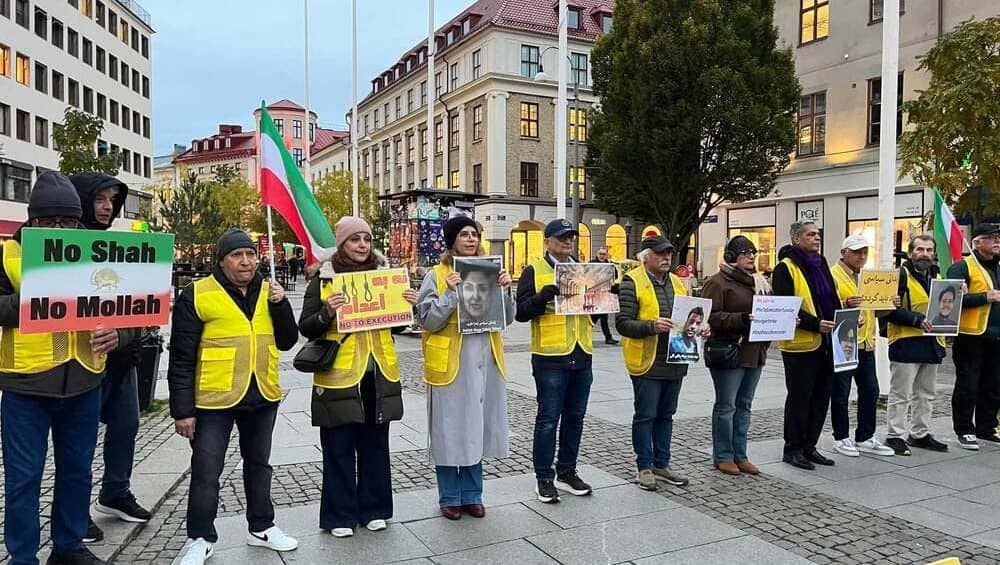
Rallies organized in cities such as Gothenburg, Sweden, and Irvine, California, have amplified the outcry against the Iranian regime’s escalating executions. These events highlighted solidarity with the “No to Execution Tuesdays” movement, which opposes the regime’s use of capital punishment. Demonstrators have rallied for change, chanting slogans against tyranny and calling for the immediate release of political prisoners.
Emphasizing the lives taken in the pursuit of justice, participants have conducted photo exhibitions that memorialize victims while drawing attention to the ongoing violence perpetrated by the Iranian authorities. The increased visibility of these movements indicates a growing global consensus against human rights violations in Iran and a firm commitment to advocating for justice and democratic reform.
As the situation unfolds, the world maintains a vigilant eye on Iran, standing in solidarity with those who seek freedom and reform against oppressive regimes.