
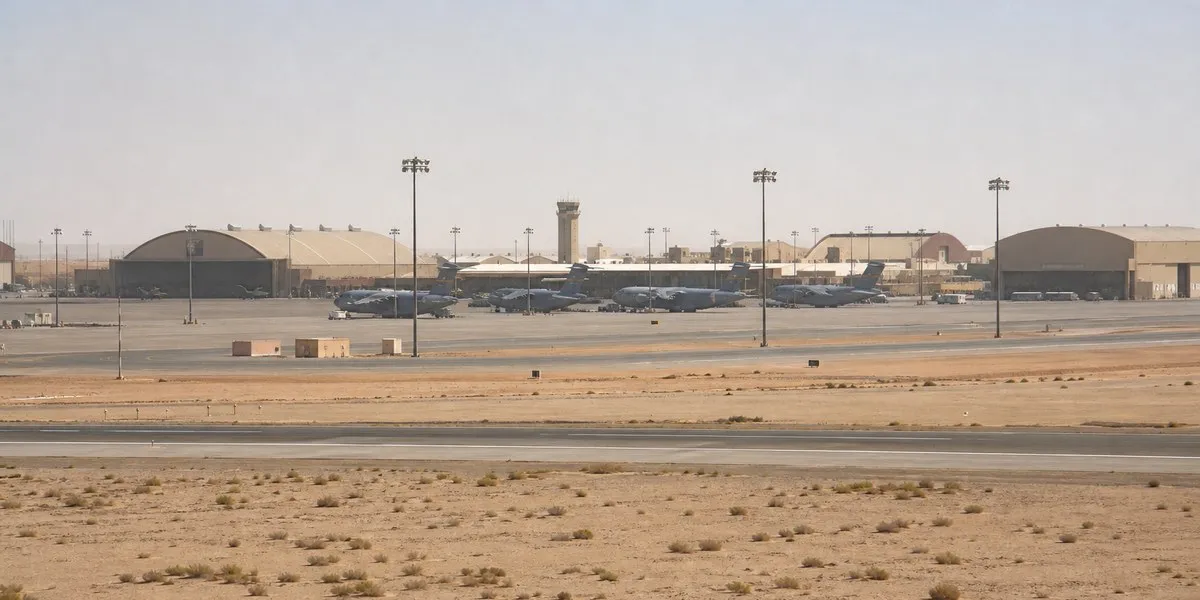
Iran’s military operations have recently garnered attention, particularly in light of drone and missile strikes on U.S. bases in Saudi Arabia during Operation Epic Fury. Reports suggest that these attacks may have been supported by Russian reconnaissance satellites. Information from CNN and The Jerusalem Post highlights this emerging connection, drawing on insights from U.S. officials.
Intelligence Before the Assault
Allegations indicate that Russian satellites provided critical data to Tehran by surveying areas occupied by U.S. military personnel. Notably, the Prince Sultan Air Base was targeted during an Iranian strike on March 27. CNN reported that the precise timing and execution of the attack were facilitated by intelligence derived from these satellites, resulting in injuries to twelve U.S. servicemembers.
The implications of this collaboration are significant. By utilizing Russian satellite capabilities, Iran could enhance its targeting accuracy and overall operational effectiveness. Such advanced intelligence-gathering techniques represent a notable shift in the dynamics of regional conflicts, potentially destabilizing an already volatile situation.
Analyzing the Targets
Recent analyses of satellite tracking data show that reconnaissance satellites operated just before the Iranian military actions, offering detailed imaging and electronic surveillance capabilities. This technology allows for precise identification of strategic military targets. Among these was a U.S. Air Force AWACS aircraft destroyed during the assault on Prince Sultan Air Base, which the report suggests underscores Iran’s capacity to leverage data provided by Russian satellites effectively.
Additionally, sources indicate that the attacks extended to a CIA facility within the U.S. Embassy compound in Riyadh, revealing the depth of Iran’s operational targeting. The precision of these strikes raises questions about the extent of Iran’s intelligence-sharing arrangements with Russia and the potential implications for U.S. and allied interests.
The Broader Implications of Russian Assistance
Saudi expert Nawaf Obaid has voiced concerns regarding the geopolitical ramifications of Russian support for Iran. He posits that Moscow’s collaboration with Tehran may be a form of retaliation against U.S. backing for Ukraine, particularly as strikes against Russian targets continue. This dynamic highlights the emerging alliances in the region, emphasizing the potential reshaping of security structures amid ongoing hostilities.
As Russia and Iran deepen their military cooperation, regional security may become increasingly precarious, leading to heightened tensions and possibly escalating conflicts. The relationship could provide Iran with not just military intelligence but also political leverage, substantially affecting the security architecture of Middle Eastern nations.
In summary, the recent Iranian operations supported by Russian intelligence capabilities illustrate a complex interplay of military strategy and geopolitical maneuvering. As these developments unfold, they warrant close observation, particularly for U.S. military and diplomatic strategies in the region. The integration of advanced technological support in conflict scenarios signifies a new era of warfare, where traditional power dynamics may be challenged.