
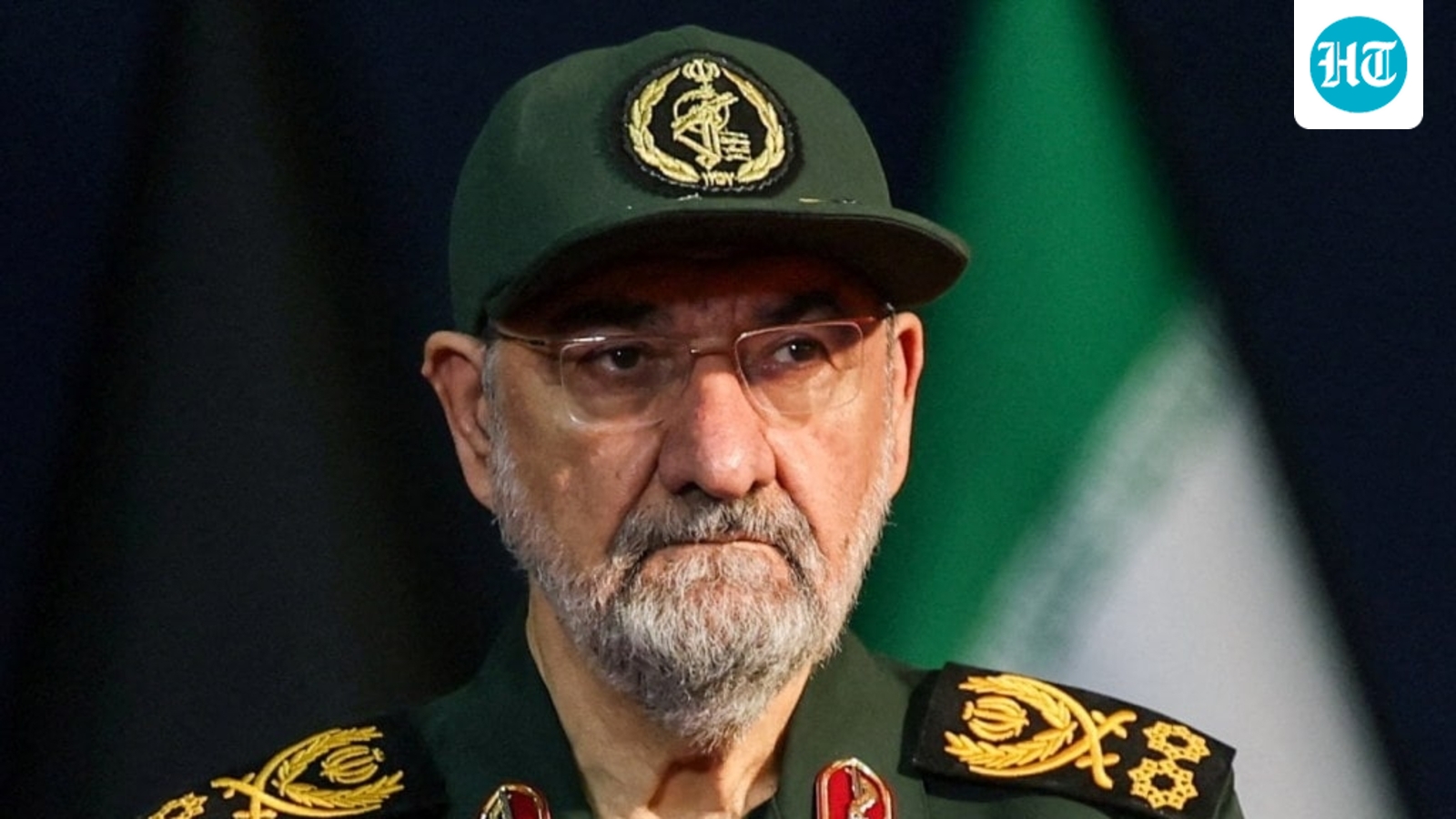
Iran has set forth seven key conditions for the United States, conveyed through Qatar, in a bid to resume negotiations aimed at ending the ongoing conflict. An Iranian diplomat has flagged that Tehran is ready for a “decisive war” should President Trump dismiss these demands.
Dialogue Through Mediation
Iran’s Supreme National Security Council Secretary, Mohsen Rezaei, noted that communications with the mediator, Qatar, are ongoing. He emphasized that Qatar has relayed Iran’s conditions to the United States as part of efforts to conclude the war. “We are waiting for President Trump’s response,” Rezaei stated, highlighting Iran’s anticipation for a diplomatic breakthrough. Although the spokesperson did not detail all seven conditions, he did name three crucial demands that must be met: an immediate halt to hostilities, the unfreezing of Iranian assets, and the cessation of the U.S. naval blockade.
Rezaei asserted, “It is in Washington’s interest to accept these conditions,” alluding to the futility of Trump’s threats. He warned that failure to heed Iran’s demands could escalate into more severe conflict, signaling their readiness for war if necessary.
Military Assessments and Threats
The Iranian official added that according to Iranian military evaluations, the threat of another U.S. strike remains plausible. Despite this, Rezaei stated that Tehran aims to bring the conflict to a close as swiftly as possible. He noted that Iran has adjusted its military strategy following earlier confrontations, now concentrating on U.S. naval forces operating in the Persian Gulf and adjoining regions.
Moreover, Rezaei reported that Iran had recently tested a multi-warhead anti-ship missile in proximity to a U.S. vessel or aircraft carrier. He warned that should Washington undertake another military assault, Iran could retaliate against U.S. military bases and commercial interests within the region. Yet, he reiterated his desire for an end to hostilities.
Recent Developments in U.S.-Iran Relations
The U.S.-Iran conflict escalated significantly following synchronized airstrikes that led to the assassination of Iranian Supreme Leader Ali Khamenei and several high-ranking officials. In response, Iran targeted U.S. bases throughout the Gulf, resulting in a series of aggressive exchanges from both sides.
Currently, Trump has expressed hope that the war may soon conclude and plans to meet with leaders from six Gulf nations during the upcoming UN General Assembly in New York. Ongoing indirect communications continue between the U.S. and Iran, facilitated by regional mediators including Qatar and Pakistan. These countries have been attempting to revive negotiations after a memorandum of understanding hosted by Islamabad expired without yielding a sustainable resolution.
Nuclear Considerations Amidst Conflict
In light of the pressures surrounding its nuclear ambitions, Rezaei affirmed that Iran has not made any decisions to withdraw from the Nuclear Non-Proliferation Treaty. He assured that Iran’s stance on nuclear weapons has not shifted, maintaining that a religious decree prohibits their development. However, he noted that continued aggressive actions from the U.S. could compel Iran to reconsider its position.
The nuclear issue remains a pivotal point in the hostilities between the U.S. and Iran, with Washington striving to preclude Tehran from advancing its nuclear capabilities. In contrast, Iran insists that its nuclear program is aimed solely at peaceful objectives.