
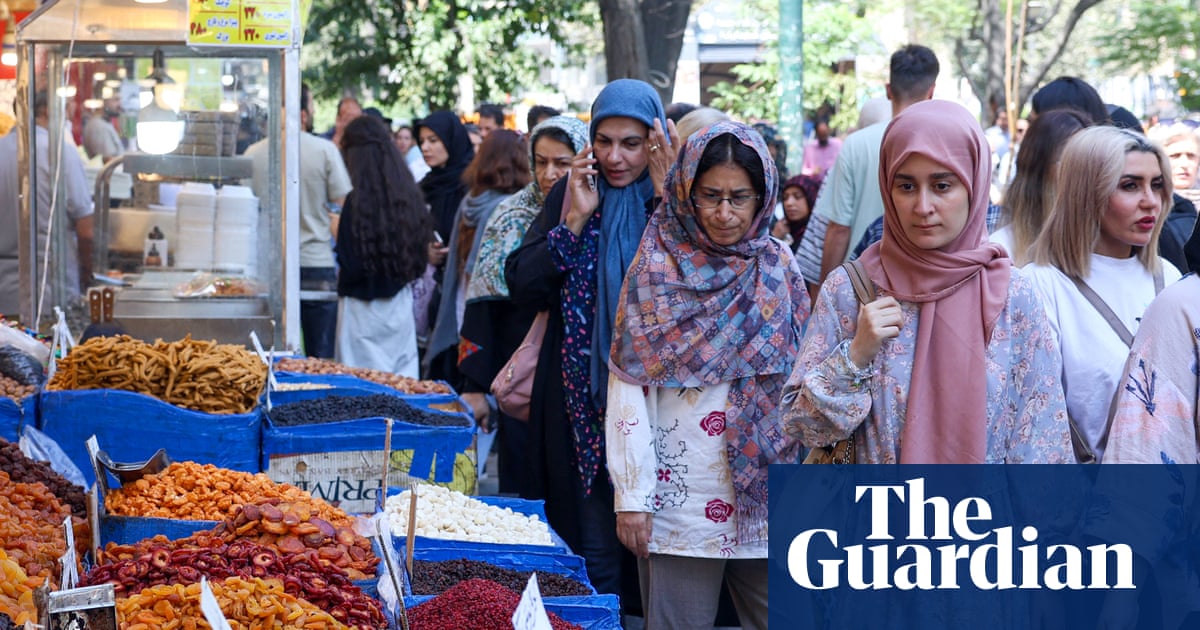
Tehran is preparing to take retaliatory actions against any nation collaborating with the United States in efforts to impose further sanctions. This impending financial offensive has been described by U.S. Treasury Secretary Scott Bessent as “the most extensive financial assault ever launched against an adversary.” As the U.S. pivots toward implementing these sanctions, the political landscape grows increasingly tense, particularly concerning Iran’s interactions with its key trading partners.
UAE Ends Trade with Iran
In a recent shift, the United Arab Emirates, Iran’s largest trading ally in the region, announced the cessation of all trade activities with Tehran. This decision is perceived in Iran as a coordinated initiative between the UAE and the U.S. The U.S. government’s stance includes imposing secondary sanctions on any country or entity that engages in trade with Iran, amplifying concerns over the ramifications for countries still doing business with Tehran.
The efficacy of U.S. threats hangs in the balance, especially regarding major players such as India, China, and Russia. These countries must weigh the potential economic fallout of continuing commercial relations with Iran against the U.S.’s promise of punitive actions. Historically, China has been a significant importer of Iranian oil, but recent U.S. threats have created uncertainty within the market.
China’s Defiance Against U.S. Sanctions
In May, the U.S threatened to sanction Chinese refiners and their financial backers. However, China’s commerce department boldly instructed firms to disregard these warnings, labeling them illegitimate. For the first time, China invoked a domestic law aimed at undermining the effectiveness of U.S. sanctions within its jurisdiction. While the U.S. penalized Hengli Petrochemical earlier this year, the administration quickly reevaluated its position, understanding that prolonged sanctions could incite a larger trade conflict with China—one that the U.S. may struggle to win.
Beijing’s response to potential sanctions has remained consistently resistant. It has reiterated its opposition to unilateral sanctions lacking a basis in international law, emphasizing that militaristic approaches are ineffective for resolving geopolitical tensions. This defiance illustrates a complex game of political chess as Iran’s oil exports face severe challenges due to U.S. naval blockades, driving up cargo costs and leading to a drastic decline in exports.
Iran’s Economic Strain and Threats
Iran’s economy is reportedly on the brink of collapse, as hyperinflation exacerbates shortages and depletes foreign exchange reserves. Citing the effectiveness of the U.S. blockade, Iran’s central bank announced that crude oil exports have “virtually stopped.” With the rial plummeting and inflation skyrocketing, the Iranian leadership is gearing up for a potentially fierce response should the U.S. proceed with its sanctions.
Iran’s security chief, Mohsen Rezaei, has threatened what he termed an “earthquake-like” retaliation if Washington continues with its proposed economic strategies. He cautioned neighboring countries against siding with the U.S., suggesting that any collaboration would result in severe ramifications for the oil flow through the Persian Gulf, including potential closures of key shipping routes.
A View on Global Sovereignty
Iranian officials argue that the U.S. sanctions represent not just an economic assault but a broader infringement on national sovereignty. Reza Nasri, an international lawyer associated with Iran’s foreign ministry, stated, “This announcement signals a claim of jurisdiction over the world,” suggesting that the real target of these sanctions is the very concept of sovereign trade relations. Many Iranian leaders express that the sanctions disproportionately impact ordinary citizens, reaffirming a narrative of resilience against foreign aggression.
As the U.S. urges allies to cease transactions with Iran, the call for total isolation has so far met with skepticism, particularly from China and Russia, who have refrained from bending to U.S. pressure. As geopolitical tensions mount and talks stall between Iran and the U.S., the outcome of this economic confrontation remains uncertain. The unfolding dynamics highlight not only the fragility of regional stability but also the intricate interconnectedness of global economies.