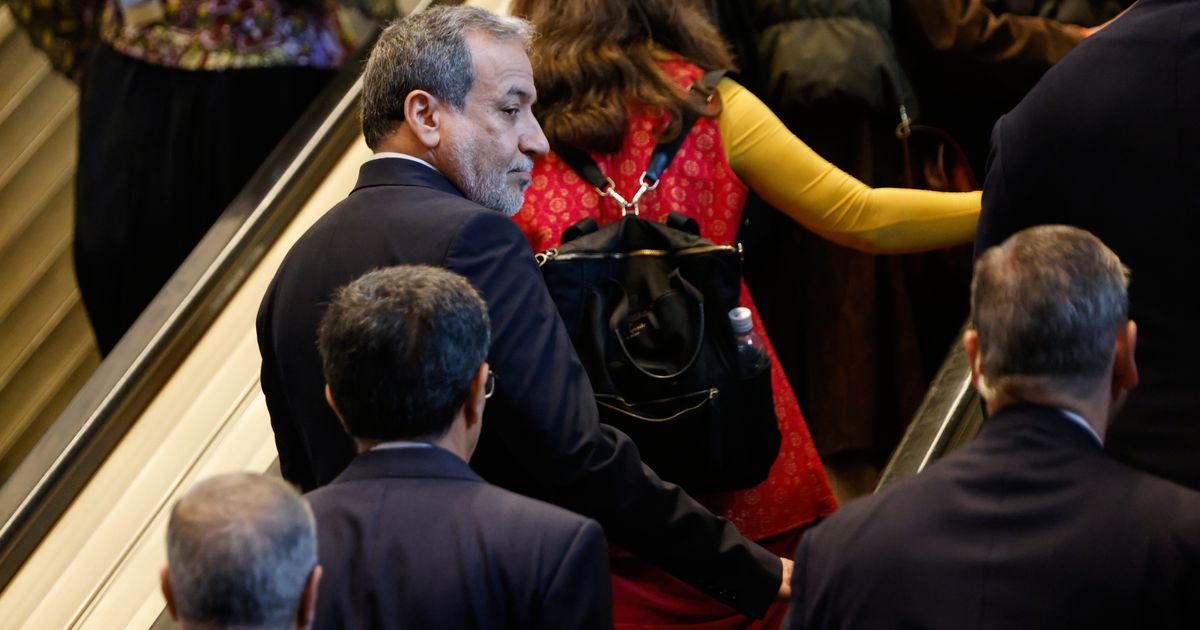
Iran has proposed to reopen the Strait of Hormuz and engage in nuclear negotiations within a week, contingent upon the United States lifting its naval blockade, easing sanctions on Iranian oil sales, and implementing a ceasefire that includes Lebanon. This proposition was revealed by Iran’s Foreign Minister, Abbas Araghchi, during a private meeting on the sidelines of the U.N. General Assembly in New York.
Details of the Proposal
Araghchi’s proposal parallels a previous Memorandum of Understanding from June but presents a more expedited timeline. The earlier agreement initially aimed for a 60-day interim period but quickly fell apart as Iran renewed its aggressive actions towards shipping in the strait. The new offer indicates Iran’s willingness to engage diplomatically, yet it is overshadowed by concerns over its commitment and underlying motives.
Trita Parsi, the executive vice president of the Quincy Institute, attended the meeting and suggested that a swift resolution could serve as a political advantage for U.S. President Donald Trump before the upcoming November midterm elections. However, there was no immediate official response from Iran’s U.N. mission or other government representatives regarding this latest proposal.
Challenges Ahead
Despite this overture from Iran, the situation remains complex. President Trump has expressed he is not in a hurry to finalize a deal, particularly as rising oil prices contribute to inflation and heightened living costs in the U.S. Additionally, skepticism looms over whether Iran’s hard-liners, who dominate its security apparatus, will accept compromises proposed by more moderate figures, such as President Masoud Pezeshkian.
Parsi emphasized that if Trump perceives this arrangement as beneficial politically and a means to alleviate gas prices, it may prompt a level of flexibility not seen in recent discussions. Nevertheless, he noted a prevailing “deep suspicion,” particularly regarding the possibility that Iran is merely seeking to buy time to boost its oil exports and relieve its economic struggles.
Signs of Diplomatic Movement
In a notable sign of potential diplomatic progress, President Pezeshkian recently hosted the Prime Minister of Qatar. Qatar has played a pivotal role as a mediator, particularly during recent indirect discussions between Iranian and U.S. officials at the U.N. this week. This engagement could serve as a stepping stone towards more constructive dialogue.
While it remains uncertain how long Pezeshkian and Araghchi will stay in the U.S. following Pezeshkian’s address to world leaders at the annual U.N. gathering, Secretary of State Marco Rubio stated, “if there’s an opportunity to exchange ideas and messages, we will.” This willingness to communicate hints at a fragile path forward, where both parties might seek common ground amidst prevailing tensions.
The opportunity for renewed negotiations could reshape the geopolitical landscape in the region, depending on how both sides respond to these recent developments.