
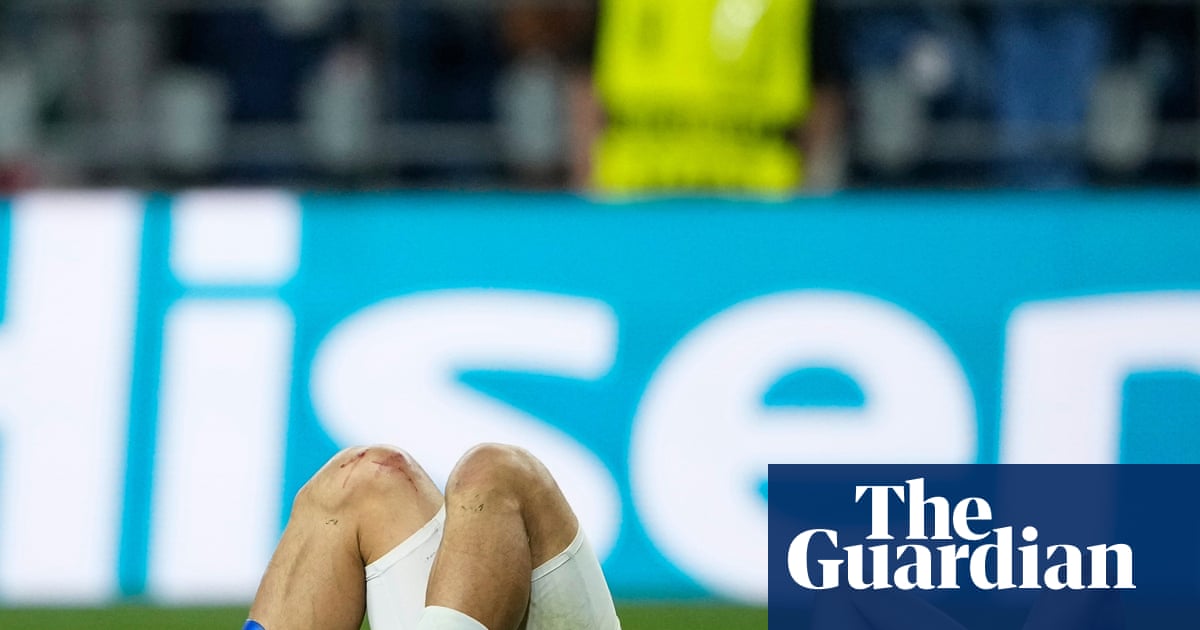
Mehdi Taremi lay on the pitch at Seattle Stadium, gazing up at the sky, crushed. The Iranian national team’s quest for a place in the knockout stages of the World Cup slipped away after a hard-fought 1-1 draw against Egypt, a result that would have guaranteed their spot in the next phase for the first time in seven appearances. Taremi had missed a crucial penalty, and a late goal by Iran was invalidated due to an offside call, leaving him to grapple with the heavy emotional toll of the moment.
Heartbreak in the Locker Room
For several minutes, Taremi remained on the ground while Alireza Jahanbakhsh, his long-time teammate, offered him solace. Eventually, he rose while others started to recover from the emotional and physical exhaustion of the game. In the locker room, however, Taremi spoke optimistically about the positive spirit among the players, expressing pride in their efforts and anticipation for the next day’s matches that could still alter their fate.
Unfortunately, Saturday brought only more disappointment. Iran needed a win from Ghana against Croatia but instead faced the disheartening reality of a Ghana loss. They also required Uzbekistan to at least draw with the Democratic Republic of Congo, yet Uzbekistan succumbed to a 2-1 defeat. Just when hope flickered, Riyad Mahrez scored late for Algeria, providing a moment of joy; however, that too was snuffed out when Austria equalized moments later, marking the end of Iran’s World Cup journey.
A Legacy of Misfortune
As the team gathered that evening, plans to have a senior federation official address them were scrapped in the wake of their disappointing day. Training sessions were called off, signaling the end of Team Melli’s run in the tournament. The agony of their exit ranks alongside several past disappointments in Iranian football history, such as being eliminated in 2014 by a mesmerizing Lionel Messi and facing heartbreak in 2018 after a draw with Portugal. This time, however, their fate rested on factors beyond their control, with the team relying on help from others that ultimately didn’t arrive.
Messages written in the locker room reflected their philosophy: “Football is not just a competition for results; it’s a test of character.” Iran’s journey to the World Cup was fraught with challenges, including the political turmoil surrounding their country and logistical nightmares that saw them train under armed guard in Mexico due to visa issues. Other teams, even those associated with the Iranian government, faced protests and scrutiny, affecting their morale.
Resilience Amidst Adversity
The Iranian players demonstrated remarkable resilience throughout the tournament, embracing the spirit of teamwork as they took to the field despite the pressures from both within and outside the sport. Taremi urged his teammates to play fearlessly, a mantra they carried into a challenging draw against Belgium. Despite criticisms about the team’s technical play, they displayed tenacity by diving into tackles, closing down opponents, and maintaining an aggressive playing style that earned them admiration from fans worldwide.
However, concerns lingered regarding their execution during crucial moments. The inability to convert chances into goals – a disallowed effort here, a missed penalty there – effectively sealed Iran’s fate. Head coach Amir Ghalenoei lamented the razor-thin margins by which the team’s hopes were dashed. Aging veterans who had aimed for a breakthrough outcome would instead exit, their ambitions unfulfilled once more.
The Forward Path
As the dust settled on their World Cup campaign, players like Ramin Rezaeian expressed frustration over their uncanny ability to fall short. He articulated a sincere apology to their supporters back home, acknowledging the desire for greater joy and celebrating moments of triumph. Taremi echoed sentiments of dissatisfaction regarding the logistical struggles that compounded their challenges, leaving a lingering sense of injustice regarding their treatment throughout the tournament.
Ultimately, this World Cup was more than just a sport for Team Melli. It was a culmination of trials that tested not just their skills, but also their character and resolve. Despite the heartbreak, they emerged with a renewed understanding of resilience, with hopes to build something greater moving forward in the world of football.