
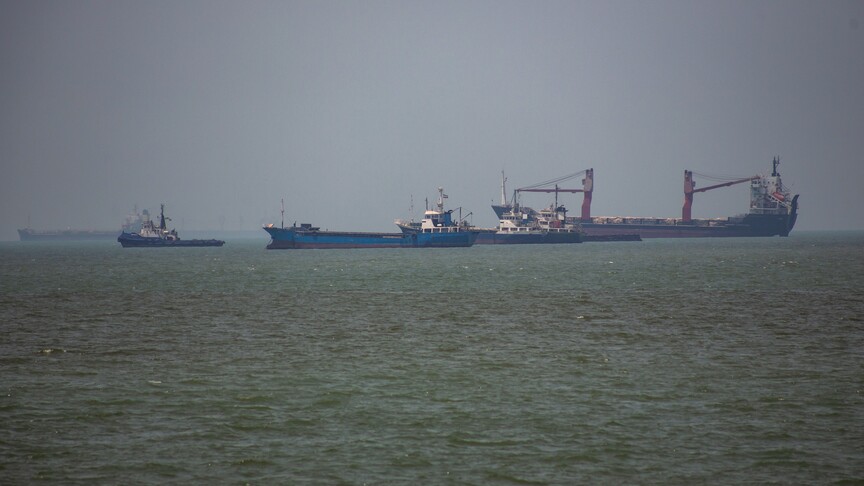
Iran and Oman have come to a preliminary agreement regarding transit through the Strait of Hormuz, though its execution heavily relies on the United States adhering to its obligations. This significant development was communicated by senior Iranian diplomat Kazem Gharibabadi, underscoring the delicacy of international relations in the region.
Conditional Agreement on Strait Transits
Gharibabadi stated that this agreement will not be automatically activated. He emphasized that for the initiative to advance, the U.S. must meet its responsibilities. “Whenever these commitments are fulfilled, Iran will also take the necessary measures,” he explained. The notion is clear: Iran’s actions are closely contingent upon the U.S. fulfilling its end of the deal.
Iran’s Stance on Security Measures
The Iranian official mentioned that there is no urgency on Tehran’s part to reopen the strait. Iran intends to maintain its “defensive measures” and continue efforts aimed at countering perceived threats. “If Washington is interested in a diplomatic path, it must take responsibility for its historical actions,” he asserted. This statement not only highlights Iran’s defensive posture but also indicates its cautious approach toward opening dialogues with the U.S.
Coordination with Oman and Control over the Strait
While arrangements have been made with Oman regarding maritime transit, Gharibabadi made it clear that the onus for ensuring compliance lies with the U.S. He stated, “The Strait of Hormuz remains closed, and any vessel that passes this route will do so only with the authorization of the Islamic Republic of Iran.” This positions Iran as a gatekeeper of one of the world’s most critical waterways, suggesting that any passage will require proper coordination with Iranian authorities.
Persisting Tensions and Regional Dynamics
The tenuous relationship between Tehran and Washington continues to be characterized by escalating tensions, particularly following a series of military strikes in February. Iran’s responses to these actions included targeting U.S. military installations, further complicating diplomatic efforts. However, with the mediation of Pakistan and Qatar, both parties managed to establish a ceasefire in April and formalized discussions for a more lasting peace agreement in June.
Before the onset of these hostilities, the Strait of Hormuz was known for unfettered transit, representing a vital route for the transportation of oil and gas from the Gulf. This backdrop highlights the complexities and stakes involved as Iran seeks to exert its control while the U.S. remains opposed to these developments. The naval blockade imposed by the U.S. in response to earlier escalations of conflict has created a situation of stagnation, leaving diplomatic efforts at a standstill.
In conclusion, the evolving dynamics around the Strait of Hormuz reflect broader geopolitical tensions and a fragile balance of power in the region. The outcome of Iran’s agreement with Oman will largely depend on how the U.S. decides to proceed, setting the stage for critical developments in international maritime policy and Middle Eastern diplomacy.