
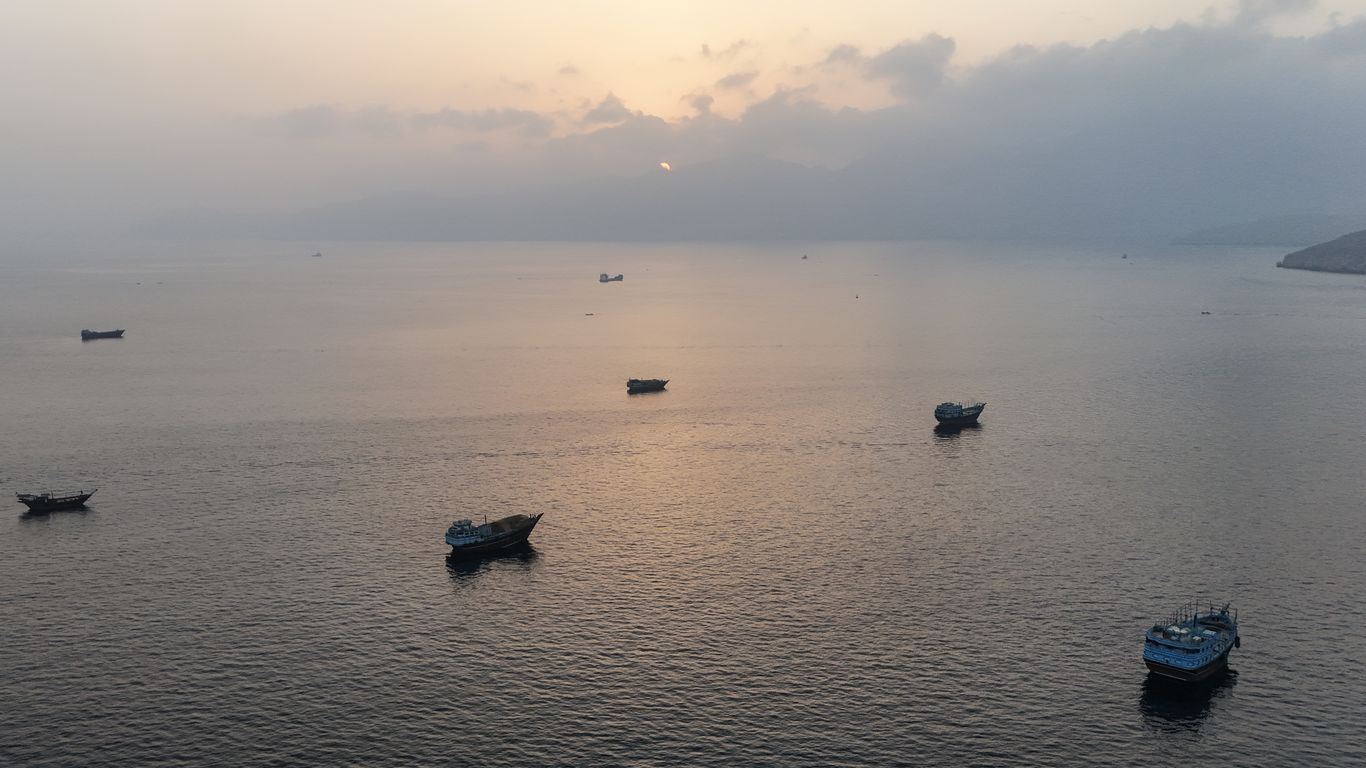
The Strait of Hormuz, a key maritime corridor, has once again become the focus of global attention due to a recent announcement from the Islamic Revolutionary Guard Corps (IRGC). This critical waterway, which connects the Persian Gulf to the Arabian Sea, is pivotal for the transportation of oil and gas, making developments here significant for international markets.
Origin of Tensions in the Strait of Hormuz
The Strait of Hormuz has historically been a site of geopolitical strife, primarily due to its strategic importance. Approximately a fifth of the world’s oil supply passes through this narrow passage. In recent years, escalating tensions between Iran and various Western nations have led to increased military presence in the region. The IRGC’s declaration to close the strait “until further notice” intensifies the already heightened atmosphere, raising questions about the broader implications for global energy security.
This announcement is particularly concerning in light of previous incidents where vessels in the area faced attacks or were seized, exacerbating fears of a potential maritime conflict. The IRGC’s move is seen not only as a show of military strength but also as a strategic maneuver amid ongoing sanctions and diplomatic rifts with western allies.
Impact on Global Markets
The immediate effect of any disruption in the Strait of Hormuz reverberates throughout global financial markets. Traders closely monitor developments since any sign of instability can lead to surging oil prices. A closure of this crucial strait could lead to significant delays in oil transportation, resulting in supply shortages that directly impact global economies.
Moreover, countries that rely heavily on oil imports from the Persian Gulf are particularly vulnerable to fluctuations in prices. Analysts predict that prolonged tensions could lead to inflationary pressures worldwide as energy costs rise. Investors in energy stocks and commodities often react swiftly to news, causing volatility in markets that can affect a range of investment portfolios.
Response from the International Community
In light of the IRGC’s recent declaration, the international community is expected to respond cautiously. Diplomatic channels may be activated in an attempt to de-escalate the situation and encourage open navigation through the strait. The involvement of major powers like the United States and European nations is critical, as they maintain interests in keeping the shipping lanes secure.
Moreover, it’s essential for multilateral organizations such as the International Maritime Organization to play a role in safeguarding maritime security. By promoting discussions among stakeholders, these organizations can help mitigate risks and encourage stability in this vital region.
In conclusion, the IRGC’s announcement to close the Strait of Hormuz “until further notice” represents a significant development that could have implications for global energy security and international relations. As the situation evolves, careful monitoring and strategic responses from the global community will be imperative to avoid a potential crisis in one of the world’s most crucial maritime passages.