
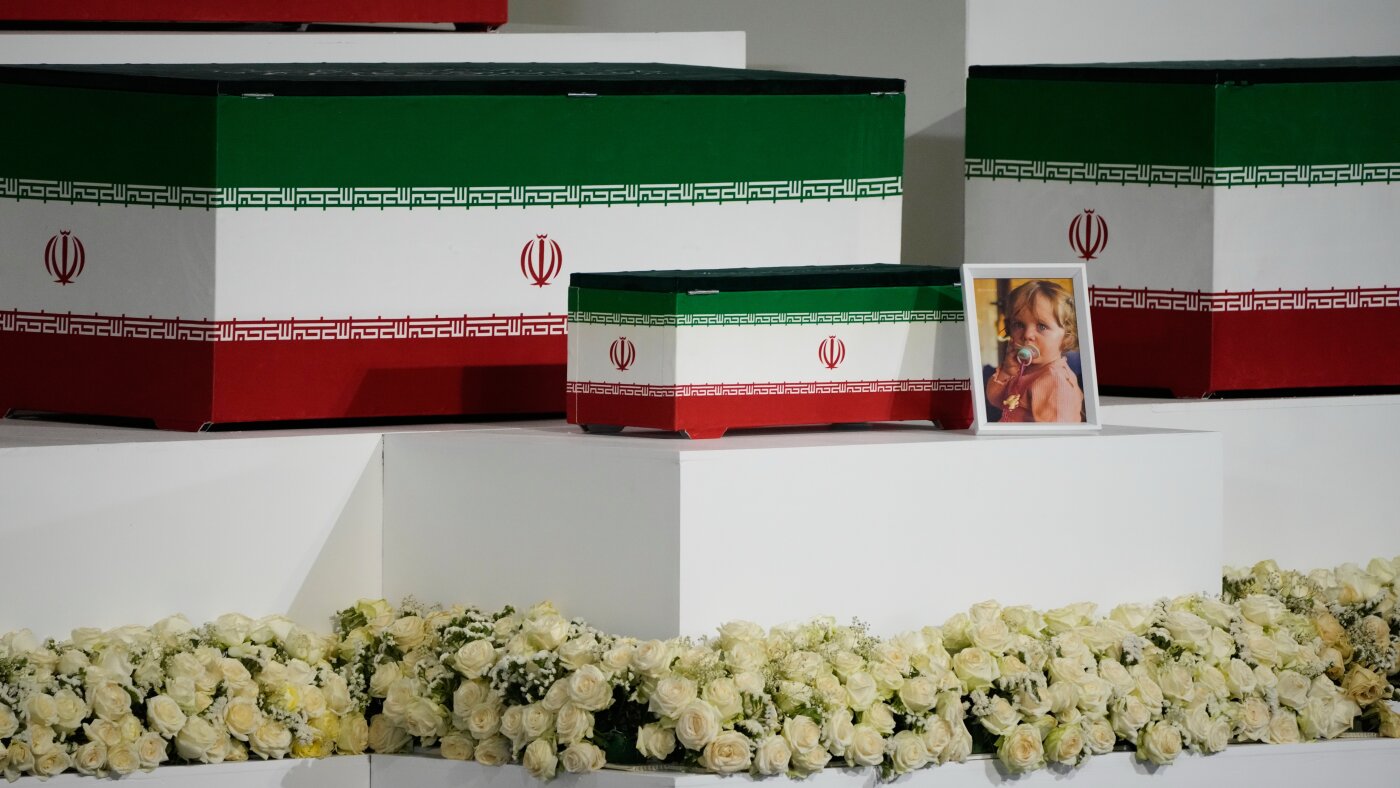
Iran is currently in a state of mourning as it prepares to honor the late Supreme Leader Ayatollah Ali Khamenei, who passed away at the age of 86 during a devastating war. The upcoming days will see elaborate funeral ceremonies across Tehran, drawing significant public attendance akin to the historic funeral of Ayatollah Ruhollah Khomeini in 1989. This large-scale manifestation of grief is not just a tribute to Khamenei but also a strategic display of strength by the Iranian government following a tumultuous period.
Mass Gatherings Expected Across Tehran
As the nation gears up for the mourning period, the Iranian authorities anticipate millions will gather in the capital. Streets will be filled with banners urging citizens to unite in favor of the Islamic Republic. This show of solidarity is strategically vital as the government seeks to reinforce its position amidst ongoing negotiations with the U.S. related to the conflict and the geopolitical tensions in the region, particularly concerning Israel.
Significantly, this public display of mourning is aimed at enhancing the government’s legitimacy during a time of uncertainty. It offers a moment for officials to showcase their unity and support, particularly with the attendance of military leaders and key government figures. Such gatherings serve a dual purpose: to honor a revered figure and to project a strong image of the Islamic Republic in a time of crisis.
Khamenei’s Legacy and the Memorial Ceremony
The memorial for Khamenei will feature his flag-draped casket alongside those of his family members who also perished during the conflict. Notable figures are expected to pay their respects, including members of the civilian government and scores of foreign dignitaries. The state has encouraged participation from not just political leaders but also religious authorities, emphasizing Khamenei’s pivotal role in the Iranian Islamic Republic.
As part of the ceremonial honors, a military band will accompany the proceedings, and prayers will be sung by attendees. The atmosphere during the ceremonies will reflect a mix of solemnity and a resolute call for unity among the populace. Mourners will actively engage in traditional practices, such as throwing scarves on the casket as a sign of respect and blessing.
The Role of Military Leaders and Future Government Directions
A notable figure during this mourning period has been General Ahmad Vahidi, one of the powerful military leaders of Iran’s Revolutionary Guard. He made a public appearance for the first time in months, underlining his importance in Iran’s military strategy and ongoing negotiations. His declarations during this time reflect the government’s steadfast commitment to its existing policies and a rejection of external pressures, particularly from the U.S. and Israel.
Vahidi’s remarks highlight the sentiment that the sacrifices made during the war will contribute to the Islamic Republic’s resilience and future victories on a global scale. This rhetoric is aimed not only at gathering morale but reinforcing the commitment of the Iranian people to their nation’s independence.
The Significance of Khamenei’s Funeral for the Future of Iran
The forthcoming funeral ceremonies are anticipated to last for several days, representing a pivotal moment in the nation’s political landscape. The government plans to ensure a heavy police and military presence to manage the anticipated crowds while maintaining order. This unprecedented event allows the new Supreme Leader, Ayatollah Mojtaba Khamenei, to showcase his leadership in a moment of profound national significance.
Public attitudes will be carefully curated, and the messaging surrounding Khamenei’s legacy is expected to emphasize the need for resilience among the Iranian people. As banners proclaiming unity and strength are displayed, the new leadership’s path will be closely observed, particularly in how it addresses ongoing geopolitical tensions and internal challenges. The future of Iran may well hinge on the success of the ceremonial homage paid to its late leader, and the extent to which it reinvigorates support for the current regime.