
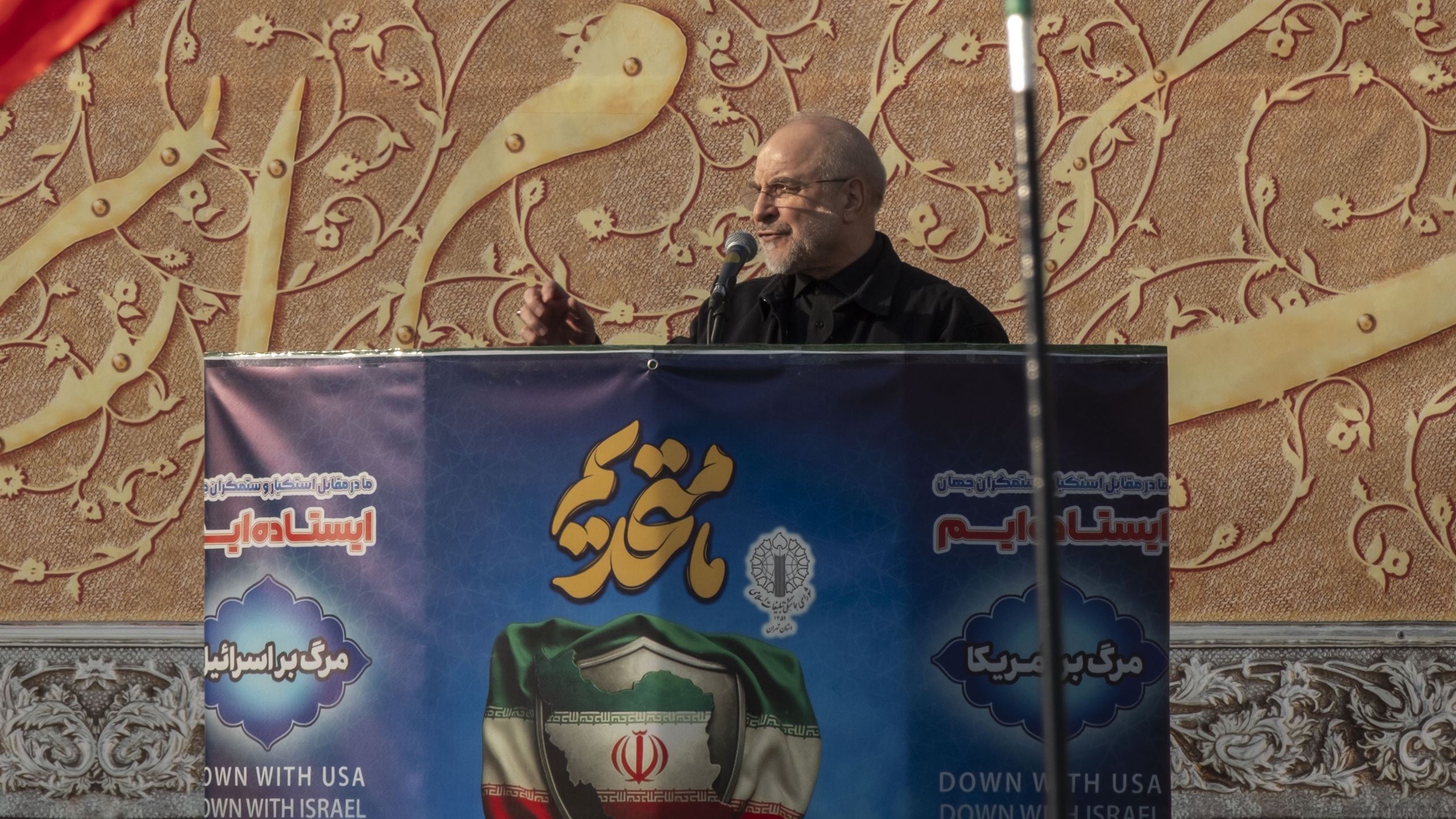
In recent developments, Iranian Parliament Speaker Mohammad Bagher Ghalibaf has issued significant warnings directed towards Gulf nations, indicating rising tensions in the region. This situation underscores the complex and often volatile dynamics that characterize Middle Eastern geopolitics.
Regional Tensions on the Rise
Relations between Iran and Gulf countries have been increasingly strained, particularly amid Iran’s ongoing regional aspirations and military advancements. Ghalibaf’s remarks highlight concerns over potential military actions and interventions that could destabilize the already fragile security landscape of the Gulf region. As countries like Saudi Arabia and the United Arab Emirates bolster their military readiness in response, the risk of miscalculations and conflict escalates.
The Role of External Influences
The geopolitical chessboard in the Middle East is further complicated by the involvement of external powers, particularly the United States and Russia. These nations play significant roles in shaping alliances and influencing regional policies. Ghalibaf’s warnings can be seen as a direct response to external military presences, which Iran perceives as threats to its sovereignty and interests. This external intervention exacerbates existing tensions and raises concerns over the potential for an arms race in the region.
Military Posturing and Diplomatic Efforts
As military posturing intensifies, diplomatic routes remain crucial. Ongoing dialogues between Iran and its Gulf neighbors are vital to mitigating fears and misunderstandings. While Ghalibaf’s statements may reflect a hardline stance, there have been previous attempts at diplomacy aimed at easing hostilities. Open lines of communication can help to establish mutual respect and understanding, which are essential for long-term stability in the region.
Implications for Regional Stability
The implications of Ghalibaf’s warnings extend beyond immediate relations between Iran and Gulf states. A potential military conflict would have severe consequences not only for the nations directly involved but also for global energy markets and international relations. The Gulf region is crucial for oil production and supply chains; therefore, any disruptions could have far-reaching economic impacts. Continued vigilance and diplomatic efforts will be necessary to avert possible escalations and foster a little more stability in the tumultuous landscape of the Middle East.
In conclusion, the messages from Iranian leadership serve as a reminder of the ongoing complexities within Middle Eastern geopolitics. To foster peace and stability, it is imperative for all involved parties to remain engaged in open dialogue while considering the broad implications of their military and diplomatic strategies. The balance of power in the Gulf region continues to shift, and proactive efforts are essential to ensure that tensions do not spiral into open conflict.