
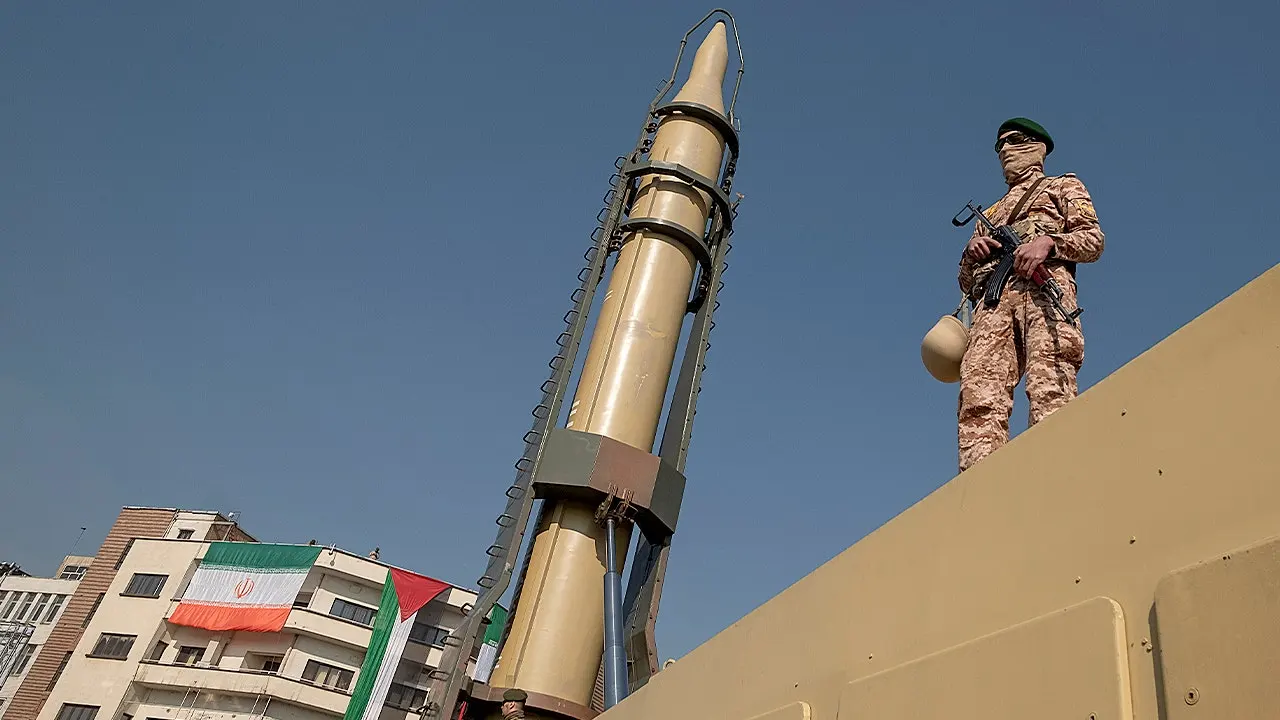
Tehran has been preparing for a potential U.S. ground invasion for decades, according to a senior Iranian official. The claims come amid ongoing U.S.-Iran hostilities that have entered a new phase, marked by explosions throughout the region. The statements were made by Seyed Mohammad Marandi, who is often described as a spokesperson for the Iranian regime, highlighting Tehran’s confidence in its military capabilities and planning.
The Significance of Iran’s Military Strategy
Marandi, an Iranian-American academic and former advisor on nuclear negotiations, emphasized that Iran has decentralized and fortified its military assets, burying them deep underground to withstand potential U.S. airstrikes. He revealed that Iran has developed a new missile system, enhancing its defense and offensive capabilities as tensions rise. “While I am not asserting that an invasion is imminent, the U.S. certainly has plans for one,” he stated in an interview, indicating that Iranian military preparedness remains a priority.
The rhetoric surrounding possible military action reflects an ongoing strategic stalemate, particularly centered on regions like Bahrain and Kuwait, where American military resources are concentrated. Analysts have pointed out that any U.S. invasion would face crucial challenges, especially due to Iran’s geographical advantages and its combat strategy, which is designed to disperse military assets to mitigate the risk of mass casualties from airstrikes.
Escalating Conflict in the Region
As U.S.-Iran relations deteriorate, hostilities continue to escalate, with Iran launching missile and drone attacks on U.S.-affiliated facilities in neighboring countries such as Jordan, Kuwait, and Bahrain. Jordanian officials reported early interceptions of missiles, while Kuwait suffered direct hits on critical infrastructure. Responses from the U.S. have included targeted airstrikes on Iranian facilities, which further complicates the dynamics of an already volatile situation.
The recent violence has resulted in marked casualties and considerable damage in various parts of the region, further demonstrating the importance of strategic military planning on both sides. Reports of explosions in Khorramabad highlight the tense back-and-forth in the conflict, with Iranian state media attributing the blasts to U.S. missile strikes. As a result, the military landscape is rapidly changing, further entrenching both sides in a cycle of retaliatory measures.
Shifting Military Dynamics and Future Implications
Looking ahead, Marandi articulated that Iran’s extensive years of military buildup, particularly concerning missile and drone technology, provides the nation with a formidable advantage. “They are executing their military strategies with great care,” he claimed, asserting that Iran is fully equipped to handle a land invasion, should one occur. This resilient approach to warfare could shape future engagements and play a critical role in how conflicts unfold in the region.
Interestingly, Marandi suggested that Tehran perceives a U.S. ground invasion as a favorable scenario, arguing that it would serve Iran’s interests. “The Iranians believe they could emerge victorious in a ground conflict,” he indicated, suggesting a complexity to the motivations driving both sides’ military actions. Iranian strategy appears to be geared toward not just defense but potentially exploiting any ground incursions by the U.S. to assert its dominance.
The ongoing conflict represents a significant challenge for international relations, particularly concerning diplomatic efforts to resolve tensions in the area. The control of critical waterways like the Strait of Hormuz remains contentious, emphasizing the strategic significance of military positioning and preparedness in light of political negotiations affecting U.S.-Iran relations. As both sides prepare their military strategies and assess potential outcomes, the world watches closely, knowing that the stakes could affect regional stability for years to come.