
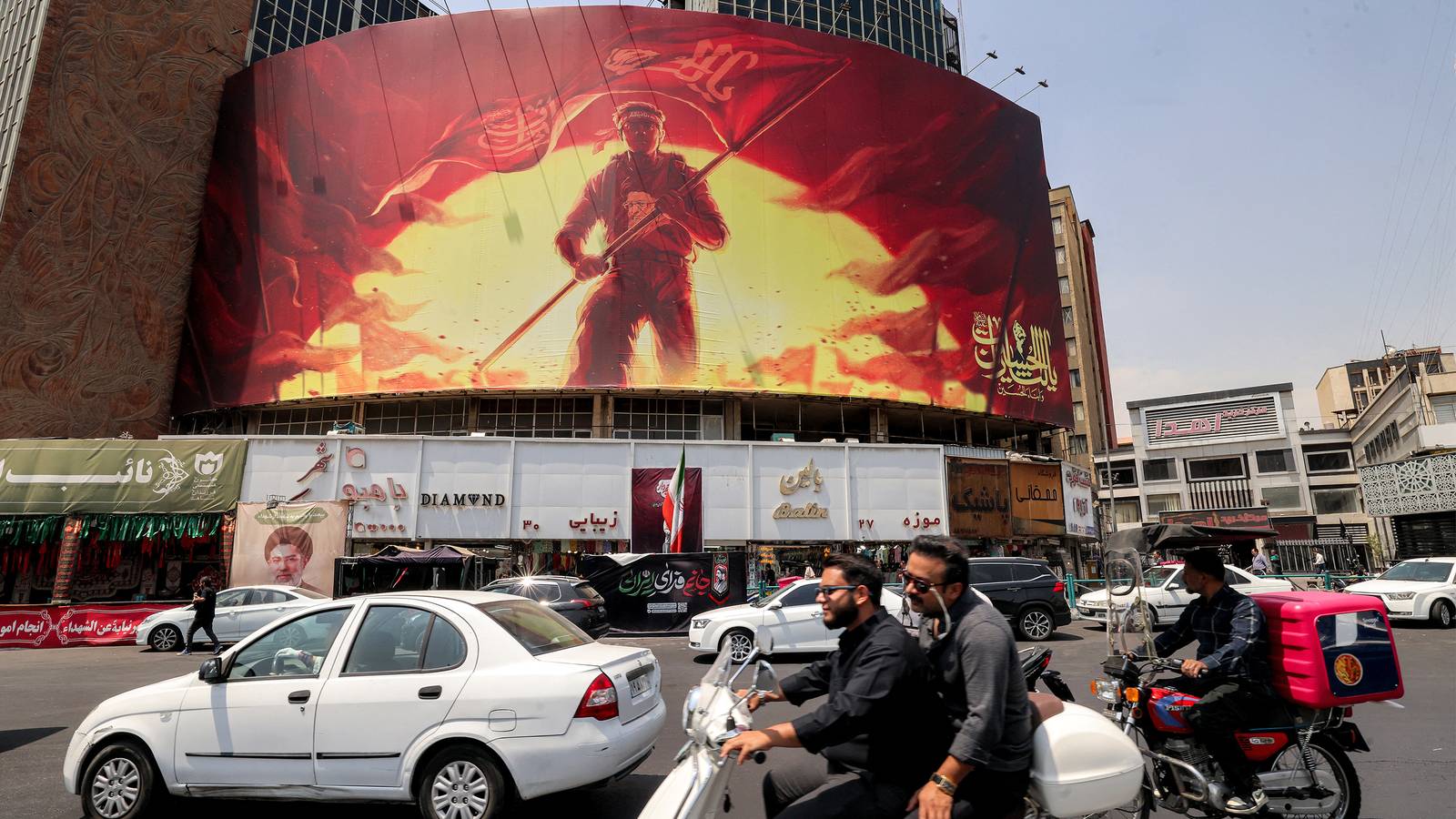
In recent years, life for many Iranians has been dramatically shaped by ongoing conflict, economic instability, and international sanctions. One poignant example is Nazanine, a 56-year-old business owner in Tehran, who has faced significant challenges since starting her venture over a decade ago. With the onset of renewed violence and inflation soaring to nearly 80%, she has now found herself relying on credit to purchase groceries for the first time.
Economic Struggles Amid Conflict
Since the U.S. and Israel intensified their military actions against Iran, Nazanine has had to make painful decisions, including laying off staff and cutting back on all non-essential expenses. Living alone allows her to adapt somewhat, but there are still days when she finds herself short on funds. “There are days when I don’t have any money,” she explained, highlighting how critical it is for her to buy groceries in installments.
The war has significantly altered the spending habits of Iranians, whose purchasing power has drastically diminished due to skyrocketing inflation and a depreciating currency. Though economic challenges existed long before the conflict, the recent military strikes have exacerbated the situation, leading to widespread destruction and loss of life. A substantial segment of the population, estimated at 70%, is already teetering on the brink of poverty, with no immediate relief in sight.
Adapting to New Norms
As the economic landscape shifts, many Iranians have turned to interest-free credit plans and buy-now-pay-later options, which were once primarily used for durable goods but now extend to essential items like food. Nazanine noticed that storefronts are now plastered with advertisements for these programs, making it easier for families to manage their day-to-day expenses under dire conditions. Experts assert that this trend illustrates how inflation impacts not just macroeconomic factors but also personal lives.
With the initial months of the war causing an estimated $270 billion in economic damage, the International Monetary Fund forecasts a 6.1% contraction in Iran’s economy—one of the most severe dips in recent memory. The effects of U.S. sanctions have positioned Iran in a precarious state, forcing it to cut ties with international banks and pivot toward Asian markets.
Resilience Amidst Adversity
Despite the grave challenges, some businesses are adapting by employing payment plans to retain customers. Mahmoud, a small business owner selling audio equipment, mentioned that such arrangements help sellers navigate current market prices, thereby maintaining cash flow. This adaptability indicates a desire to cope with high inflation while sustaining essential services, even as living conditions for many worsen.
As a nation that was once considered the largest economy in the Middle East, Iran now finds itself struggling against significant adversities. Political debates rage over whether Iranian leaders should negotiate with the U.S., particularly in light of the recent military strikes that have caused further instability. Analysts caution that persistent military action could force the country into a full wartime economy, making it even harder for the everyday citizen to meet basic needs.
To summarize, while Iran has historically displayed resilience, the compounded pressures of war, sanctions, and inflation create an unstable and challenging environment for ordinary citizens. As the economy faces unprecedented transformations, strategies for coping with immediate hardships—like buying groceries in installments—will likely remain a necessary option for many.