
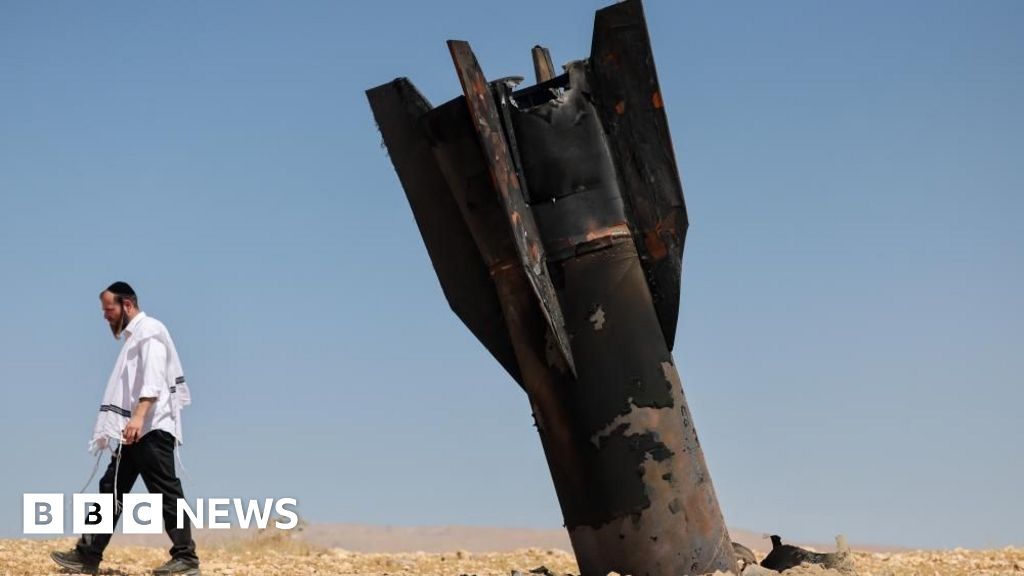
In recent years, Iran has frequently defended its aggressive moves against Israel by citing retaliation for alleged assaults on its territory or actions targeting its military personnel. However, the recent developments in the region mark a shift in this narrative. The latest incident involved Iran responding not to a direct attack on its soil, but rather to a strike against one of its allies, following an Israeli operation that targeted a site in southern Beirut, purportedly linked to Hezbollah.
Background of the Conflict
The longstanding tensions between Iran and Israel are rooted in a complex geopolitical landscape. Iran perceives itself as the leader of a resistance axis against Israel, providing unwavering support to groups like Hezbollah and Hamas. These organizations serve as critical extensions of Iranian influence in the region. The recent Israeli airstrike in Beirut, which reportedly aimed at disrupting Hezbollah’s operational capabilities, further escalated an already volatile situation. By targeting Hezbollah, Israel not only challenged Iran’s regional posture but also signaled its willingness to undermine Iranian-allied groups, thereby prompting a more aggressive Iranian response.
Implications of Iran’s Response
Tehran’s reaction to this recent Israeli attack serves as a significant turning point in the Iran-Israel conflict. Rather than responding solely in defense of its own assets or operations, Iran’s retaliation underscores its commitment to its allies. This shift could potentially embolden Iranian-backed factions across the Middle East, as they may perceive a more vigorous form of support from Tehran in light of external threats. The implications for regional stability are profound; a cycle of retaliatory actions risks further destabilizing an already fragile landscape in the Middle East.
Regional Reactions and International Concerns
The international community is closely monitoring the fallout from this incident. Several nations have expressed concern over the rising tensions between Iran and Israel, fearing that escalated military confrontation could spill over into wider conflicts. Countries with vested interests in the region are urging both sides to exercise restraint, yet their calls may go unheeded amidst increasing nationalist sentiments. Moreover, closer Iranian ties with regional powers like Russia and Syria may complicate any diplomatic efforts aimed at de-escalation.
Conclusion: The Path Forward
Moving forward, the dynamic between Iran and Israel remains precarious. Each side’s actions are increasingly linked to their broader strategic aims, with Iran advocating for a more collective regional defense posture among its allies. This evolving context underscores the necessity for innovative diplomatic solutions that transcend traditional security frameworks. Without proactive engagement, the likelihood of further military confrontations looms large, bringing uncertainty not only to Iran and Israel but to the entire Middle Eastern region.