
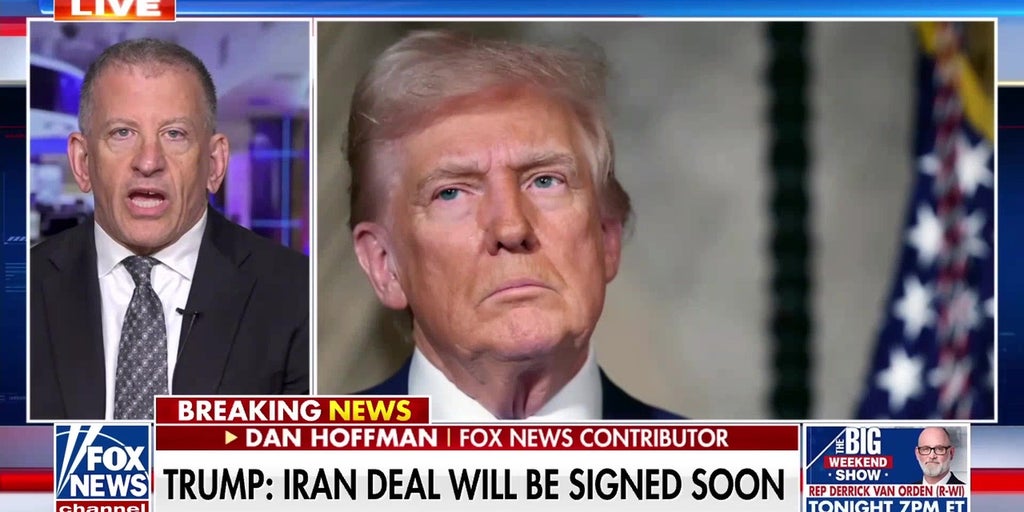
In recent discussions surrounding foreign policy, the potential for a major deal between the United States and Iran has taken center stage. This topic, being dissected by various commentators including former CIA station chief Dan Hoffman, ignites concerns about the implications of Iran’s relationships with powerful allies such as China and Russia. Understanding these dynamics is crucial for grasping the complexities of modern geopolitical relationships.
Understanding Iran’s Strategic Alliances
Iran has increasingly positioned itself within a network of alliances that extend beyond its immediate region. Its partnerships with China and Russia are particularly noteworthy, as they provide Tehran with both economic and military support. China’s Belt and Road Initiative has seen significant investments in Iranian infrastructure, while Russian support plays a crucial role in Iran’s military capabilities. This intertwining of relationships complicates any potential negotiations between Iran and the U.S., as Tehran may feel bolstered by its alliances, making it less inclined to concede.
The Role of U.S. Foreign Policy in Negotiations
The current state of U.S. foreign policy towards Iran is pivotal. Under the Trump administration, there are hopes for a revamped deal that addresses not only nuclear proliferation but also Iran’s regional ambitions. Negotiators must navigate a landscape where Iran’s alliances could lead to a hardened stance during discussions. The U.S. must balance its strategies, ensuring that it does not inadvertently strengthen Iran’s ties with its allies while seeking a path forward. This complexity raises questions about the efficacy of traditional diplomatic methods, suggesting that new approaches may be necessary.
Potential Outcomes and Global Impact
Any agreements reached between the U.S. and Iran could have far-reaching implications, not just for the involved nations but for global stability as well. Should a deal materialize that tempers Iran’s nuclear ambitions, it could ease tensions in the Middle East. However, if Iran perceives the U.S. as weak or compromising too much, it may embolden the regime to further its influence in the region. The stakes are high, as a destabilized Iran may lead to increased conflicts, particularly given its relationships with China and Russia, who could benefit from such turmoil.
The Importance of Comprehensive Analysis
In light of these complexities, it is essential to engage in a comprehensive analysis of the situation. Experts like Dan Hoffman provide invaluable insights that help decipher the implications of various strategies and outcomes. Understanding the interplay between Iran’s regional ambitions and its international alliances is crucial for formulating effective foreign policy measures. This ongoing dialogue underscores the necessity for clarity and foresight in dealing with one of the most challenging geopolitical landscapes of our time.
In summary, as the conversation surrounding a U.S.-Iran deal progresses, the influence of Iran’s partnerships with China and Russia cannot be overlooked. Strategic thinking and analysis are essential for navigating this intricate web of global politics, especially as the stakes are raised. The outcome of these discussions may well shape the future of international relations for years to come.