
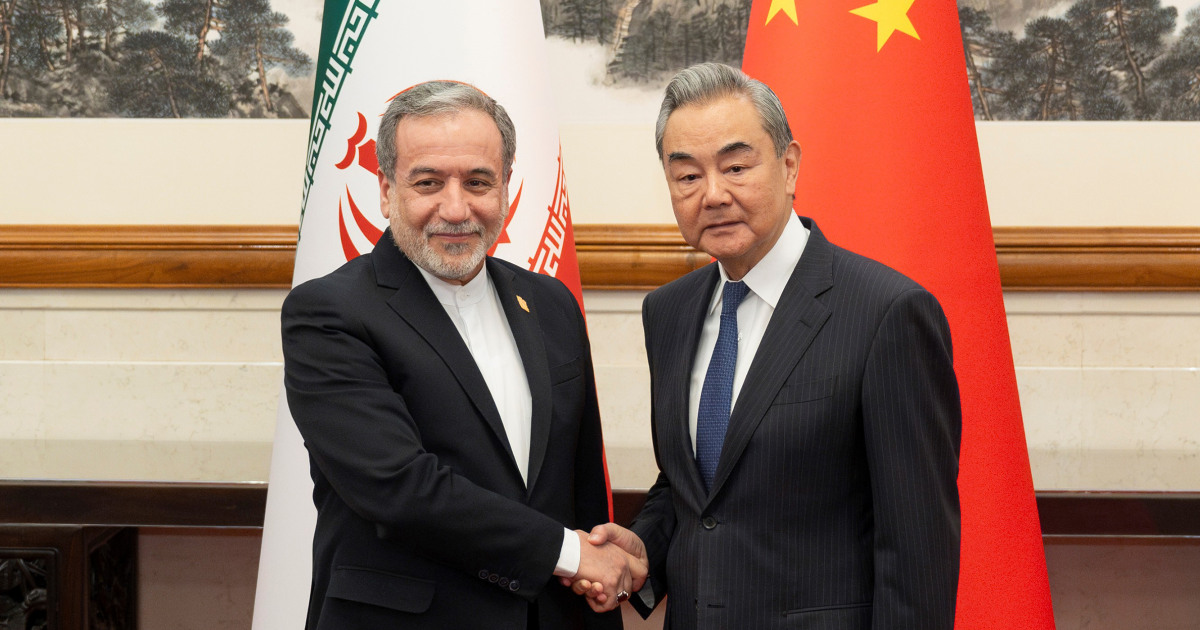
In recent developments reflecting strengthened relations between Iran and China, Iranian Foreign Minister Abbas Araghchi visited Beijing for critical discussions regarding regional stability and bilateral interests. This meeting occurred just before President Donald Trump’s anticipated encounter with Xi Jinping, highlighting the geopolitical intricacies at play.
The Significance of Araghchi’s Visit
Araghchi’s trip marks his first visit to China since the onset of the U.S.-Israeli conflict against Iran, which has disrupted global oil supplies and posed significant risks to China’s energy security—considered vital as the world’s leading crude importer. His arrival was extensively reported by the state-run news agency Xinhua, accentuating the importance of the dialogue between the two nations amid escalating tensions in the region.
During the meeting, Araghchi briefed Chinese Foreign Minister Wang Yi on recent discussions with the U.S., stating Iran’s commitment to safeguarding its interests. He emphasized that the nation stands resilient, prepared for both defense and diplomatic engagement, thereby reinforcing Iran’s position in the ongoing negotiations with Washington. “We will do our best to protect our legitimate rights and interests,” he said, stressing that Iran seeks a comprehensive and fair agreement.
Regional Dynamics and China’s Role
The Chinese foreign ministry shared its perspective on the current geopolitical climate, remarking that the area is transitioning from conflict to potential peace, and underscoring the necessity for a complete halt to hostilities. Furthermore, they called for the restoration of secure and normal passage through the Strait of Hormuz, a crucial waterway for global oil transport. In addressing the nuclear issue, China acknowledged Iran’s pledge against the development of nuclear weapons while affirming its legitimate right to harness nuclear energy for peaceful purposes.
The situation drew further attention when U.S. Treasury Secretary Scott Bessent called on China to amplify its diplomatic initiatives, particularly in encouraging Iran to allow international shipping access through the strategically vital Strait of Hormuz. He noted that Trump and Xi would discuss Iran during their upcoming talks, aiming to maintain steady U.S.-China relations following a recent trade truce.
The Path Forward Amidst Turmoil
The conflict dynamics have escalated, with both the U.S. and Iran engaging in clashes, already challenging a fragile peace. In response to these developments, Trump directed the U.S. Navy to assist vessels transiting through the Strait, although he later suggested progress toward a comprehensive agreement with Iran. Araghchi remarked that these attacks contradict the search for a military resolution, further igniting discussions on peaceful negotiations.
China’s recent diplomatic maneuvers—marked by a restraint on criticizing U.S. actions—are aimed at maintaining stability in the region to facilitate a smooth summit between Trump and Xi. Analysts suggest China’s role could be pivotal in navigating future negotiations, especially given its historic involvement in bringing Iran to the table previously. Concerns linger regarding how prolonged U.S.-Iran tensions might affect China’s relationships with Gulf nations.
Before the conflicts escalated, China had been a significant importer of Iranian oil, a trend that has considerably shifted due to ongoing sanctions. In its latest response to U.S. sanctions, China’s Ministry of Commerce proactively ordered local businesses to reject compliance with U.S. restrictions, emphasizing its intent to protect its economic interests.
In summary, the dialogue between Iran and China illustrates the complex layers of geopolitical alliances and the potential impact of international negotiations on regional stability. With the stakes raised, the next steps taken by all parties involved will be critical in shaping the future landscape of Middle Eastern politics.