
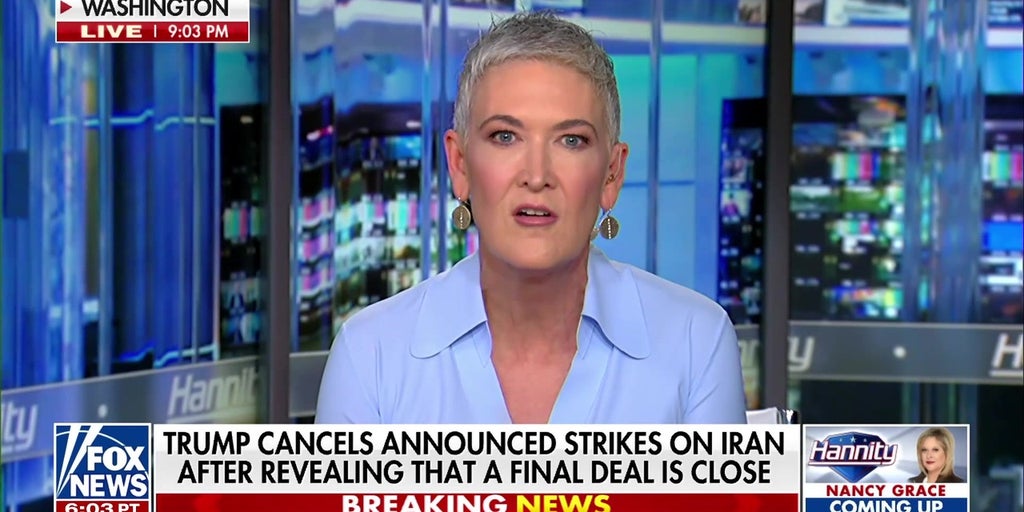
In recent developments, the United States has initiated a naval blockade aimed at Iran, a move that raises significant geopolitical implications and concerns. This strategic decision underscores the seriousness of the tensions in the region and the determination of the U.S. to exert control over its maritime routes and ensure stability.
Understanding the Naval Blockade
The U.S. naval blockade against Iran serves multiple purposes, including the prevention of illicit trade and the disruption of arms supplies to hostile entities. By deploying naval assets in key waterways, the U.S. aims to restrict Iran’s capacity to conduct operations that could threaten its allies or global commerce. This blockade not only highlights the ongoing conflict between the two nations but also reflects broader efforts to curtail Tehran’s influence in the region.
The blockade signifies a commitment from the U.S. to uphold international maritime laws and maintain freedom of navigation in critical waterways. This action is a response to Iran’s increased military activity and its alleged support for militant groups in the region. As tensions escalate, the U.S. plans to leverage its naval power to enforce compliance with international norms, potentially reducing the risks associated with Iran’s maritime maneuvers.
Regional and Global Reactions
The international community is watching closely, with responses varying from concern to support. Allies of the U.S. have generally welcomed the blockade as a necessary step to promote stability and security in the region. However, there are also voices of dissent, particularly from nations that favor engagement with Iran, arguing that aggressive measures could further escalate tensions.
Iran has publicly condemned the blockade, calling it an act of aggression that threatens peace in the region. The Iranian government has vowed to resist, asserting its right to navigate freely in international waters. As both sides dig in, the risk of miscalculation increases, raising alarms about the potential for military confrontations.
The Impact on Maritime Security
The U.S. naval blockade sends a strong message not only to Iran but to other nations observing the balance of power in the Gulf region. By demonstrating its willingness to take decisive action, the U.S. aims to deter future aggressions from Iran and reassure its allies. However, this enhanced military presence may also provoke countermeasures, leading to a more volatile security environment.
As tensions mount, shipping companies and maritime stakeholders are urged to remain vigilant. Safety in transit through these key waterways is paramount, and the situation’s fluidity necessitates constant monitoring. Industry players must be prepared for possible disruptions and adapt their strategies accordingly to navigate the complexities presented by ongoing military operations.
Conclusion: Navigating a Volatile Future
The U.S. naval blockade of Iran marks a pivotal moment in a lengthy history of hostilities between the two nations. With international ramifications and potential impacts on global trade, this strategy reflects a new chapter of assertive American maritime policy. As the situation unfolds, the world will be watching to see if diplomatic solutions can emerge amidst escalating tensions, or if the blockade will lead to further conflict in an already fragile region.