Iran’s Struggles in the Strait of Hormuz: Shifting Dynamics Amidst Oil Crisis
The Strait of Hormuz, a vital passage for global energy supplies, is witnessing a shift in control dynamics. While Iran once exerted significant influence over this critical route, recent developments suggest that its grip may be loosening. As Iran grapples with various challenges, the implications for the global oil market could be profound.
Decline in Iranian Control Over Oil Flow
The Strait of Hormuz, through which a substantial portion of the world’s oil and natural gas transits, has seen a decline in activity due to Iranian military actions. Since the onset of conflict earlier this year, Iran’s aggressive posture towards shipping has caused significant apprehension among shipping companies, prompting them to think twice before navigating these waters. Although the Iranian navy has suffered considerable losses, the mere threat of attacks has been enough to instill fear among maritime insurers and operators. This has contributed to a broader energy crisis, exacerbating inflation rates worldwide, including in the United States.
However, analysts indicate a shift may be underway. The United States has intensified efforts to secure the strait, facilitating increased oil exports from Gulf Arab nations. U.S. military operations aimed at ensuring shipping safety have reportedly allowed for the exportation of over 100 million barrels of oil. Meanwhile, U.S. forces have actively targeted vessels implicated in Iran’s oil trade, further straining the country’s economy and its ability to generate essential foreign currency.
Stability in Oil Flow and Its Implications
Despite these developments, the current oil flow remains below historical levels, with daily exports falling short of the 15 million barrels that used to pass through the strait. While the resurgence of oil exports is a positive sign, it falls far short of meeting global demands, particularly as nations continue to deplete their reserves. If this trend can be maintained or accelerated, it could significantly alter the economic landscape, providing much-needed relief to global markets while undermining Iran’s strategic leverage.
Iranian leaders are feeling the weight of economic sanctions and blocked trade routes, which have strained their governance and worsened domestic unrest. President Masoud Pezeshkian emphasized the challenges facing the nation, highlighting the complex interplay of shortages and ongoing instability. The situation remains precarious, with tensions between Iran, Israel, and the United States escalating recently, leading to threatening rhetoric from American officials regarding Iran’s oil facilities.
U.S. Military Support and Oil Exporting Strategies
The push to restore oil flow through the Strait of Hormuz has become a priority for the U.S. government. Recent reports suggest that rising confidence in military backing has encouraged oil shippers to risk transiting the strait, often employing covert methods. This has involved vessels operating without tracking systems to avoid detection by Iranian forces, with Gulf Arab nations reportedly participating in ship-to-ship transfers to mask the origin of their oil. Analysts have noted a significant increase in non-Iranian crude oil exports from the region, consistent with claims made by U.S. officials.
The U.S. Army has implemented “limited overwatch operations” to provide security for ships navigating the strait, using unmanned vehicles and aerial support. These maneuvers aim to mitigate risks and ensure that tankers can operate unimpeded, despite Iran’s claims that the strait is effectively closed due to recent military conflicts.
Iran’s Oil Production Crisis and Economic Implications
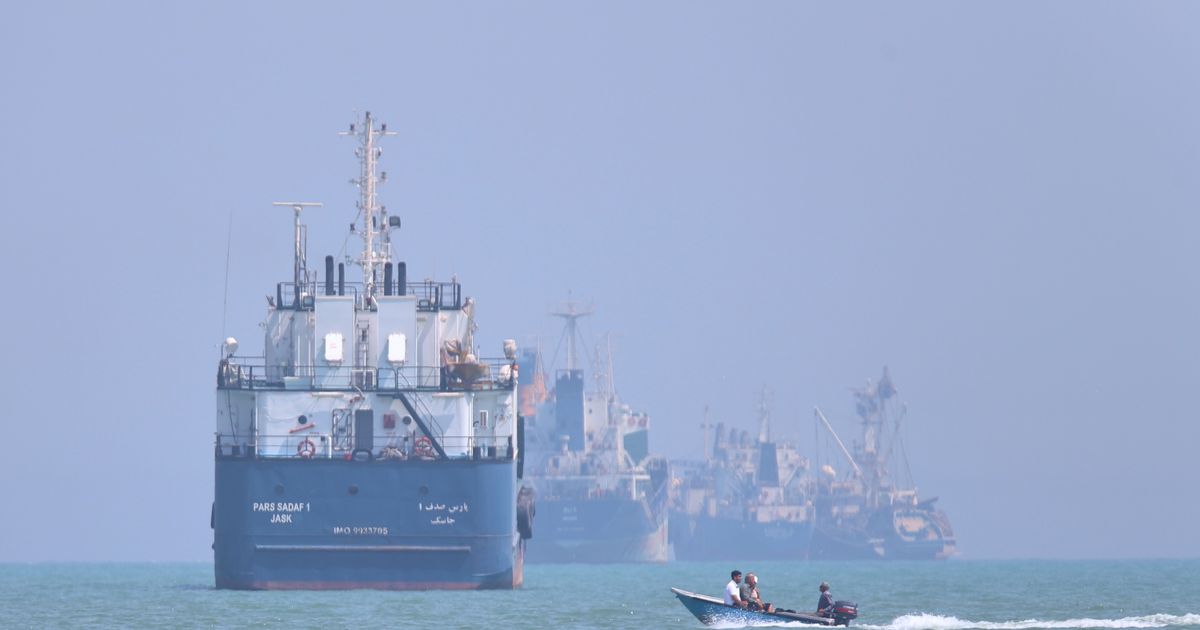
As the U.S. enhances its presence in the region, it continues to obstruct Iranian oil tankers from entering or leaving the Strait of Hormuz, sometimes resorting to force. This blockade has resulted in Iran reaching capacity in its onshore oil storage facilities and relying on offshore tankers to hold its crude. Experts suggest that Iran’s oil production has declined significantly since sanctions were imposed, with a substantial amount of crude remaining stored onshore—a situation not sustainable for long.
The economic toll of restricted exports and rising inventory has put additional pressure on Tehran, pushing it to explore diplomatic avenues for relief. Global oil prices have been somewhat stable, but the ongoing energy crisis necessitates prompt negotiations to prevent exacerbating the situation further.
In summary, the evolving landscape of oil exports through the Strait of Hormuz highlights significant shifts in control and availability. As Iran faces mounting pressure, the geopolitical stakes remain high, necessitating a careful balancing act between military action and diplomatic engagement to stave off a broader energy crisis.