
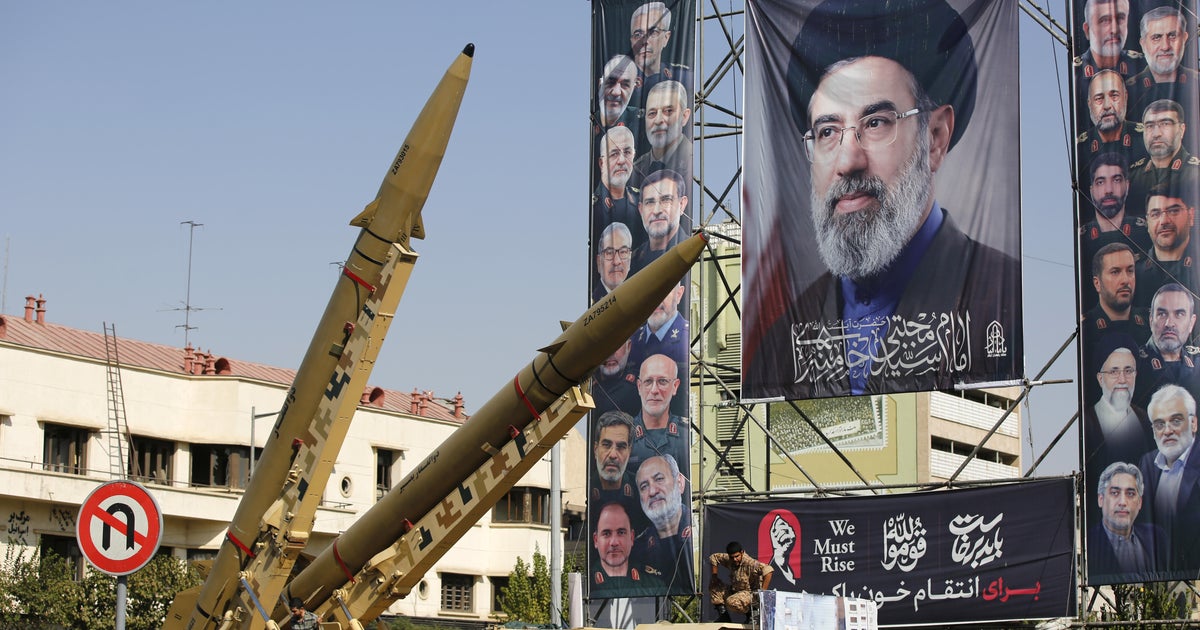
Iran’s diplomatic efforts in recent weeks have highlighted ongoing tensions with the United States, particularly surrounding a proposed ceasefire plan. As discussions unfold, the world watches closely to see if a path to resolution can emerge from the current challenges.
Iran’s Ceasefire Proposal and U.S. Response
Iran’s Foreign Minister, Abbas Araghchi, has received feedback from the U.S. regarding a proposed seven-day ceasefire plan aimed at fostering trust between the two nations. This proposal was initially put forth last week and included provisions for the phased reopening of the crucial Strait of Hormuz. However, the effectiveness of this plan hinges on the U.S. meeting specific conditions outlined in a memorandum of understanding that unraveled several weeks ago. Despite this effort, President Trump has publicly dismissed the Iranian initiative. Reports suggest that the primary point of contention lies in the sequencing of the proposed actions, and Araghchi is set to address this matter in Tehran.
Challenges Facing U.S.-Iran Relations
Compounding the situation, Maj. Gen. Mohsen Rezaei, who leads Iran’s Supreme National Security Council, has characterized President Trump as being in a difficult position, caught between further military conflict and the pursuit of negotiations. During a meeting with Azerbaijan’s deputy prime minister, Rezaei asserted that Trump is struggling to make decisive choices, leading him into a “quagmire.” Multiple Iranian officials are currently awaiting a formal response to the ceasefire proposal, even as Trump has signaled his reluctance. Foreign Minister Araghchi confirmed that Iran has communicated its expectations through a Qatari intermediary, expressing hope for a proper acknowledgment from the U.S. side.
U.S. Sanctions on Iranian Entities
In addition to diplomatic tensions, the U.S. Treasury Department has imposed sanctions on ten individuals and businesses believed to be linked to Iran’s military logistics. These sanctions were part of a broader initiative called Operation Economic Outcast, designed to increase pressure on Iran by disrupting its military supply lines and isolating its economy. Treasury Secretary Scott Bessent emphasized the administration’s commitment to addressing any support given to Iran’s government, vowing to identify and isolate those who enable Tehran’s military ambitions.
Iran’s Military Position and U.S. Accountability
The rhetoric from Iran has continued to escalate, with the Revolutionary Guard Corps asserting that the only way to bring an end to the hostilities is for the U.S. to concede defeat and withdraw its forces. General Hossein Mohebbi conveyed this message in Tehran, framing it as a letter directed to the American citizens. His remarks also came in the context of the upcoming U.S. midterm elections, where he urged Americans to rethink their leadership choices and protest against the aggressive policies of the Trump administration. Mohebbi accused the U.S. of using Iran’s nuclear program as a pretext for undermining Iranian sovereignty and exploiting its resources.
As the situation evolves, it remains to be seen whether diplomatic engagements can lead to any substantive changes in the current trajectory of U.S.-Iran relations. The multitude of factors at play, including public opinion and foreign policy decisions, will undoubtedly shape the next steps in this complex geopolitical landscape. The world is attentively watching as both nations navigate these turbulent waters, with hopes for a resolution that defuses tensions and fosters stability in the region.