
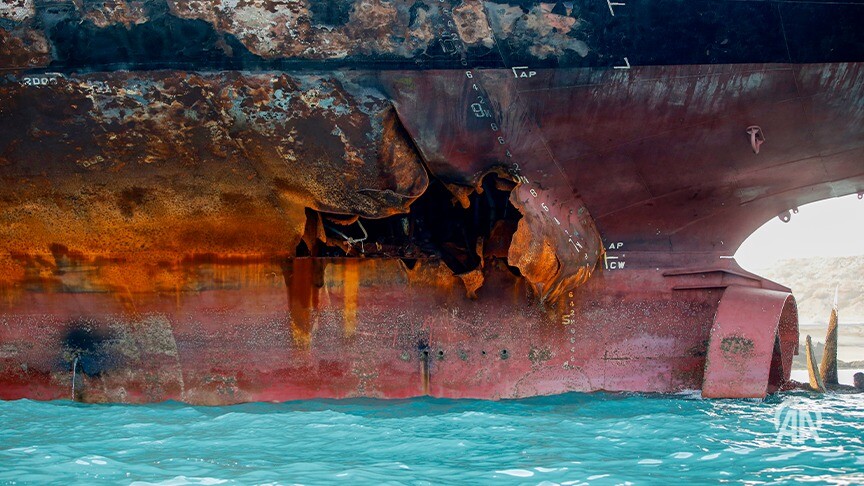
On October 19, 2026, an alarming incident occurred in the southern part of the Strait of Hormuz when an oil tanker ignited after colliding with a naval mine. This situation was reported by the Islamic Revolutionary Guard Corps (IRGC) Navy of Iran.
Incident Overview
According to reports from Iran’s semi-official Fars News Agency, the explosion took place in the tanker’s engine room while it was trying to navigate out of the crucial waterway. The tanker had previously disabled all its positioning and navigation systems during its journey, opting to take what Tehran defines as an unauthorized route. This move has drawn sharp criticism from the IRGC Navy, which claims the vessel violated maritime regulations that dictate proper passage through the strait.
The IRGC has issued a stern warning, stating that any vessels operating in the Strait of Hormuz or the surrounding Gulf regions with their navigation and identification systems turned off will face significant repercussions. However, details regarding the identification of the tanker and any potential casualties have not been disclosed. This incident marks another addition to a worrying trend of similar occurrences in this vital maritime corridor.
Escalation of Tensions
In a related event, the IRGC reported that just the day before, another supertanker, loaded with over 2 million barrels of crude oil, caught fire after also hitting a naval mine while attempting to navigate through an unauthorized route in the strait. Furthermore, an additional tanker encountered a similar fate a day earlier, leading to an explosion and subsequent fire.
The current diplomatic climate between the U.S. and Iran adds another layer of complexity to this situation. Following the outbreak of hostilities between the U.S. and Iran on February 28, the situation in the Strait of Hormuz has intensified. In response to Iran’s military actions, which included missile and drone strikes throughout the region, the U.S. imposed a naval blockade on Iranian ports.
Diplomatic Efforts
In June, the U.S. and Iran signed a memorandum aimed at ensuring freedom of navigation in the strategically important Strait of Hormuz. However, progress on implementing this agreement has stalled, largely due to ongoing disagreements about security measures in the waterway. The growing number of incidents involving tankers raises further concerns regarding maritime safety and the stability of international shipping routes.
As tensions continue to rise, the international community is closely monitoring these developments. The frequent reports of naval mines and other threats in the Strait of Hormuz serve as a reminder of the precarious situation surrounding one of the world’s most crucial waterways. Analysts and policymakers alike are concerned that without effective measures to enforce navigation regulations and improve security, the potential for further escalation remains high.
In summary, the recent fire on the oil tanker after hitting a naval mine highlights not only the dangers of navigating the Strait of Hormuz but also the fragmented diplomatic efforts aimed at ensuring maritime safety. The situation remains dynamic, with the potential for serious implications for international shipping and global oil markets.