
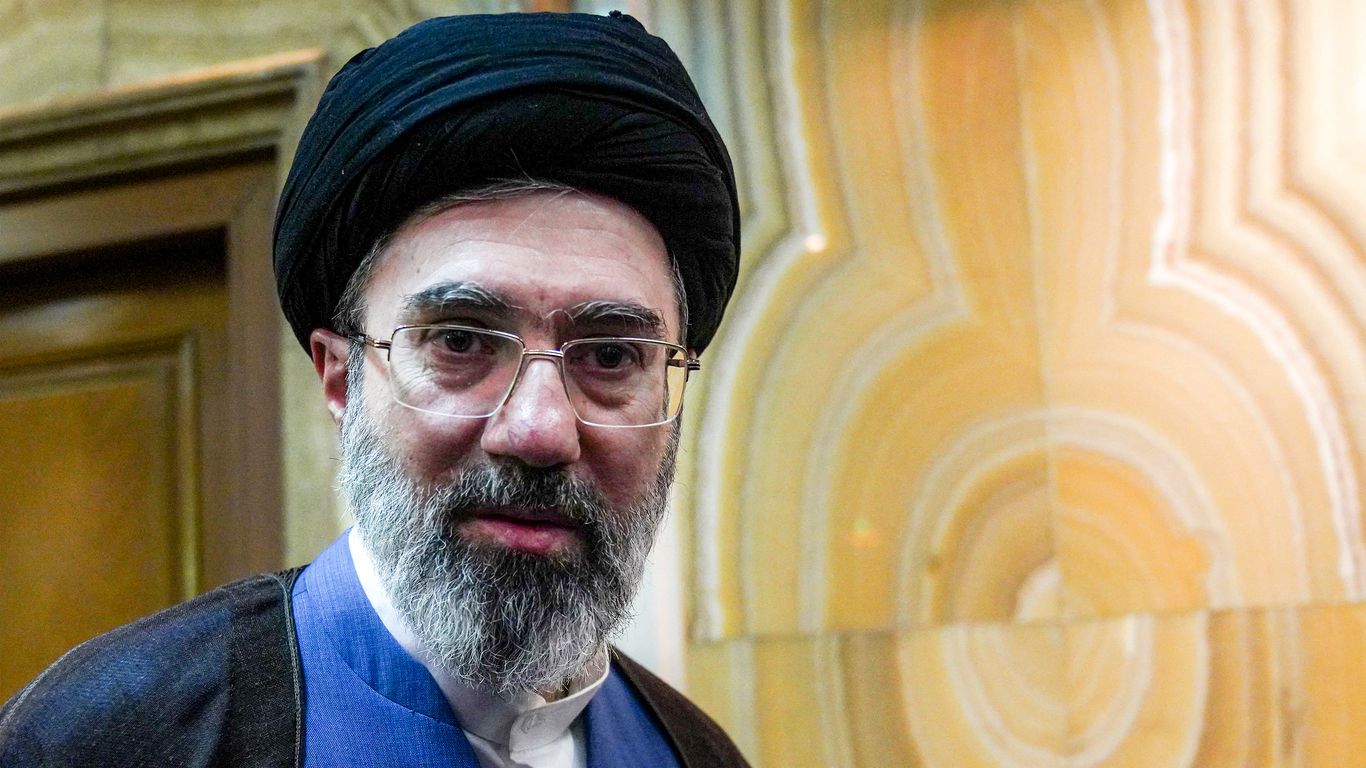
In a significant development regarding U.S.-Iran relations, Supreme Leader Mojtaba Khamenei has shared his first official reaction to the recently signed memorandum of understanding between the two nations. This agreement has sparked widespread discussion, raising questions about its implications for diplomatic relations in the region.
Understanding the U.S.-Iran Memorandum of Understanding
The U.S.-Iran memorandum aims to address various longstanding issues between the countries, centering around nuclear policies, sanctions, and regional security. This agreement is not merely a formality; it signifies a critical step toward re-establishing dialogue that has been tense for years. Khamenei’s immediate response highlights the importance of maintaining strong national principles while navigating this agreement. His statements suggest that Iran is cautious about the commitments made and emphasizes the need for tangible outcomes over mere rhetoric.
The Significance of Khamenei’s Response
Khamenei’s reaction to the memorandum is pivotal, as he holds considerable influence over Iran’s foreign policy. His affirmation of the nation’s sovereignty and readiness to engage in discussions reflects a balancing act between openness to negotiations and a steadfast commitment to national interests. By standing firm, Khamenei reassures hardliners within Iran who may view negotiations with skepticism. This attitude also resonates with a broader audience that yearns for stability but is wary of potential repercussions from engaging with Western nations.
Potential Outcomes of the Agreement
The memorandum has the potential to reshape the diplomatic landscape in the Middle East. If successful, it could lead to a reduction in tensions, open avenues for dialogue, and subsequently, a new chapter in U.S.-Iran relations. However, the path to this outcome is fraught with challenges. Opponents of the agreement within both countries may seek to undermine it, raising concerns about enforcement and compliance. Khamenei’s warning against overly optimistic expectations underscores the complexity of this diplomatic endeavor.
The Future of U.S.-Iran Relations
As both nations proceed with cautious optimism, the future of their relations remains uncertain. The leak of this memorandum and Khamenei’s statements serve as a reminder of the challenges ahead—diplomatic efforts will require patience and agile negotiations. The real test lies in whether both countries can uphold their commitments and translate this agreement into lasting peace and cooperation. Moving forward, international observers will be keenly following developments to assess if this memorandum can indeed bridge historical divides.
In conclusion, Khamenei’s response marks a vital moment in U.S.-Iran relations. With a complex history and deeply entrenched positions, the successful navigation of this agreement may define diplomatic relations in the region for years to come. As the world watches, the focus will remain on whether both sides can turn intentions into actions, fostering a more peaceful coexistence.