
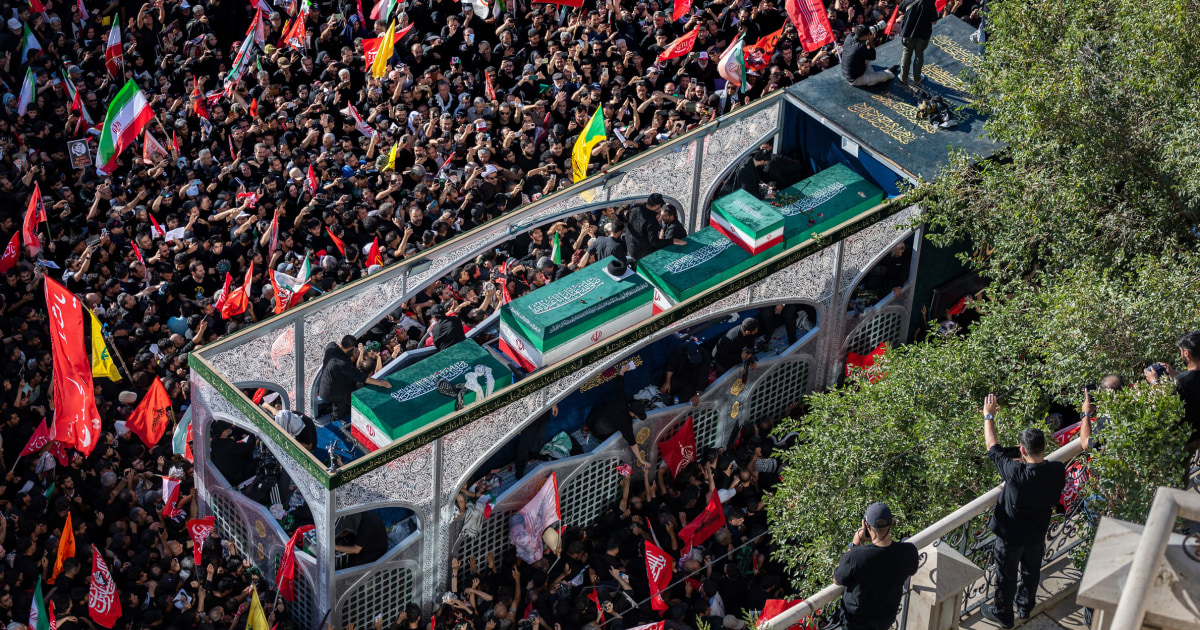
In recent months, significant political changes in Iran have captured global attention. The passing of Ayatollah Ali Khamenei marked a pivotal moment, not just for the nation but for the broader geopolitical landscape. As the Supreme Leader’s funeral unfolded, it was evident that both his legacy and the implications of his death would have profound effects on the future of Iran.
The Impact of Khamenei’s Leadership
Khamenei’s tenure was marked by a complex blend of authority and controversy. Holding the position of Supreme Leader since 1989, he was pivotal in shaping Iran’s domestic and foreign policies. His conservative stance defined the nation’s relationship with the West, particularly the United States, which remained fraught with tension. Many viewed him as a symbol of resistance against Western influence, a position that endeared him to some and alienated others. His leadership style was characterized by deep skepticism toward international diplomacy, often prioritizing ideological loyalty over pragmatic solutions.
Despite arguably consolidating power, Khamenei faced numerous challenges during his rule. Economic struggles, public discontent, and rising calls for reform indicated a populace divided. Under his watch, protests erupted over issues like economic mismanagement and social freedoms, showcasing the growing rift between the government and ordinary citizens. His administration has also been criticized for human rights violations, leading to international condemnation. This contentious legacy complicates the narrative surrounding Khamenei’s impact on Iran.
The Significance of the Funeral Ceremony
As Khamenei’s death was announced, the nation plunged into shock and mourning. The funeral procession in Mashhad, his birthplace, drew enormous crowds, demonstrating the significant influence he wielded. The scenes of thousands lining the streets to pay their respects depicted a pivotal moment in Iran’s history, encapsulating both devotion and division.
His coffin, transported to the Shrine of Imam Reza via helicopter, was a powerful visual representation of his status in Shiite Islam. The choice of location underscored the intertwining of his political role with religious significance, further complicating the immediate aftermath of his death. Observers noted the ceremony not only as a tribute to Khamenei but also as an opportunity for different factions within Iran to assert their positions in a transitional landscape.
The Future of Iran Post-Khamenei
With Khamenei’s passing, uncertainty looms over Iran’s future leadership. Potential successors are already being scrutinized for their ideologies and governance styles. The stakes are high, as different factions within the ruling establishment could vie for power, potentially leading to internal strife. Conservative hardliners may prefer a leader who maintains Khamenei’s policies, whereas reformists might advocate for opening dialogues with the West and addressing economic grievances.
Expectations are rife concerning how the next leader will maneuver Iran through its various challenges. The public’s appetite for reform is palpable, and the new regime will need to balance ideological commitments with the pressing need for socio-economic improvements. Whether this transition will lead to more progressive governance or further entrenchment of the current system remains to be seen.
Khamenei’s death undoubtedly marks a watershed moment for Iran. The interplay between his legacy and the aspirations of the Iranian people will shape the nation’s trajectory in the years to come. As Iran stands at this crossroads, both its citizens and the global community will be closely watching to see how this chapter unfolds.