
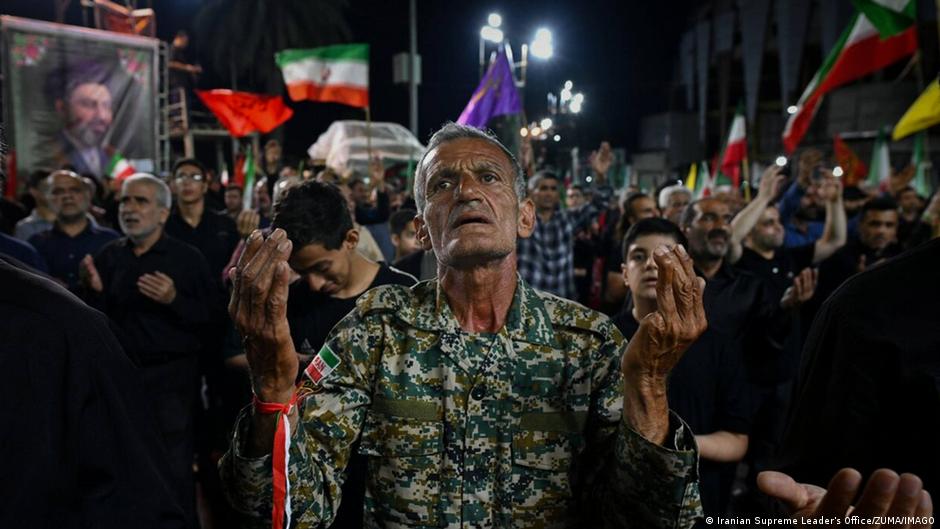
Tensions are rising once more between the United States and Iran, occurring just days following a fragile agreement aimed at ending hostilities. With both nations engaging in a series of strikes over three consecutive days, the situation is sparking renewed fears about the stability of the Gulf region.
Recent Developments in US-Iran Relations
In the days leading up to this renewed conflict, significant diplomatic efforts were made to foster peace and stability in the Middle East. High-level discussions had reportedly resulted in a temporary ceasefire, offering hopes for a lasting resolution. However, the recent hostilities have effectively unravelled these diplomatic gains, leaving many analysts and citizens of the region questioning the sustainability of any agreement. The rapid escalation of violence is reflecting a volatile relationship that can shift dramatically, often igniting wider regional conflicts.
The Impact on Gulf Stability
The ongoing strikes between the US and Iran could have dire implications for the stability of the Gulf region. The area is already fraught with underlying tensions, and consistent military engagements threaten to further destabilize nations that are already struggling with their internal issues. Furthermore, the Gulf is a critical corridor for global oil transportation; heightened conflicts here may disrupt oil supply chains and lead to significant economic repercussions worldwide. As the stakes continue to rise, both local governments and international stakeholders find themselves increasingly alarmed at the potential for a broader conflict.
International Response and Concerns
The renewed hostilities are not going unnoticed on the international stage. Allies and international organizations are voicing their calls for restraint and dialogue in hopes of de-escalation. Countries with vested interests in the region are particularly wary about the implications of the US-Iran tussle, given the ripple effect it could cause for other neighboring nations. The global community is closely monitoring the situation, as a further escalation might lead to an armed conflict that could draw in multiple nations, thereby complicating an already intricate geopolitical landscape.
The Road Ahead: Prospects for Peace
While the situation looks grim, there remains a flicker of hope for future negotiations. Experts suggest that establishing open lines of communication may provide a pathway to reinstate trust and mitigate conflict. Successful diplomacy has often relied on bilateral discussions and backdoor negotiations in the past; it will be crucial for both the US and Iran to consider these strategies going forward. The need for comprehensive talks that address the core grievances of both sides may be the key to achieving a long-lasting peace that can stabilize not just the Gulf, but the entire region.
As the world watches these developments unfold, the importance of constructive dialogue cannot be overstated. Sustainable peace is not merely a matter of ending hostilities; it requires understanding, compromise, and a commitment to co-existing in a complex geopolitical landscape. While the current situation is indeed precarious, the collective hope remains that wisdom and diplomacy will prevail in the long run.