
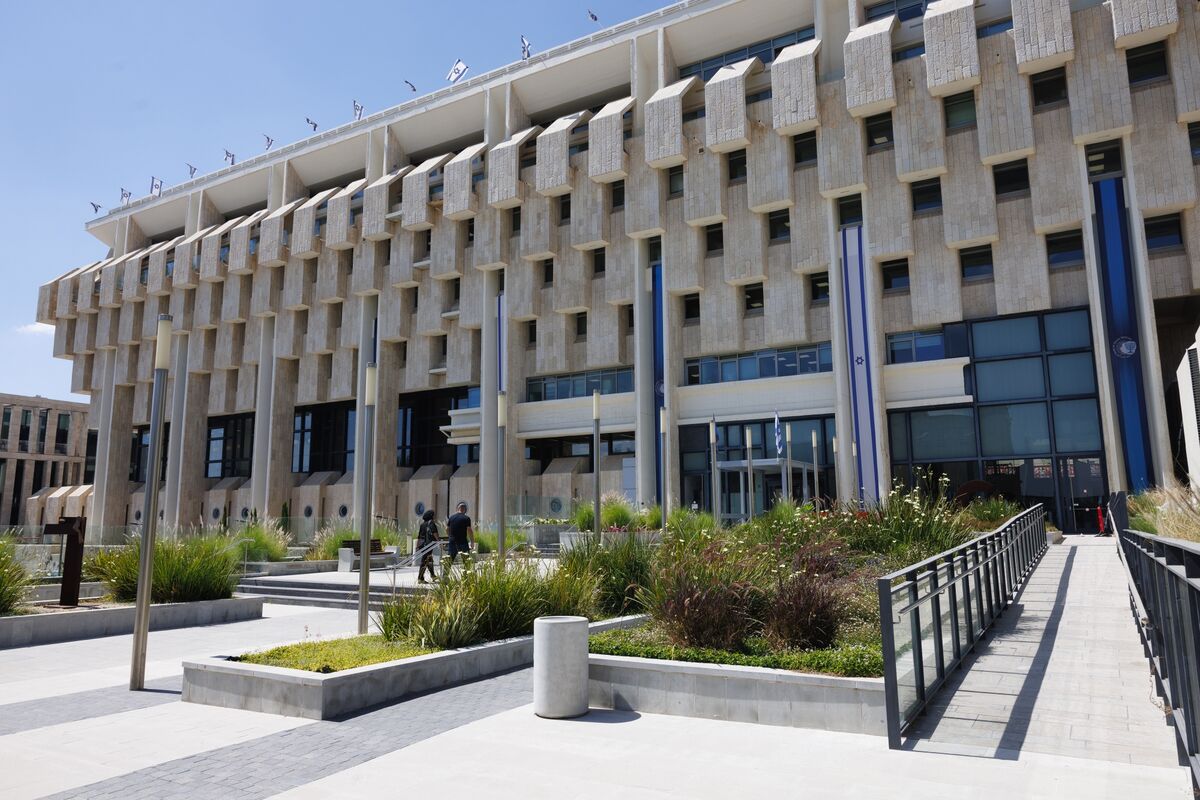
Israel’s central bank is preparing to reduce interest rates in response to the evolving geopolitical landscape, particularly the increasing likelihood of a resolution between the United States and Iran regarding the ongoing conflict that ignited in late February. This potential deal not only influences regional stability but also significantly impacts economic conditions within Israel.
Impact of the US-Iran Relations on Israel’s Economy
As tensions in the Middle East seem to ease, the implications for Israel’s economy could be profound. A resolution between the US and Iran could lead to increased stability in the region, fostering a more favorable environment for investment and trade. Financial markets often respond positively in times of reduced uncertainty, which could bolster investor confidence within Israel.
Moreover, a decrease in interest rates typically stimulates economic activity by making borrowing cheaper for consumers and businesses alike. If the central bank follows through with rate cuts, it could lead to heightened spending, stimulating both growth and employment. This economic uplift is crucial, especially in light of recent challenges faced by various sectors amid global economic uncertainties.
The Role of the Central Bank
Israel’s central bank plays a critical role in navigating the complex interplay between domestic economic policies and international geopolitical shifts. By adjusting interest rates, the central bank seeks to balance inflationary pressures with the need to foster economic growth. As global dynamics evolve, the bank must remain agile to address both emerging opportunities and threats.
Reducing interest rates can encourage lending and investment in key sectors, which in turn could bolster overall economic performance. However, this approach must be carefully monitored to ensure that inflation does not spiral out of control, underscoring the importance of a strategic and measured response to the changing geopolitical context.
The Future Outlook
Looking ahead, analysts predict that developments regarding the US-Iran negotiations will continue to influence both regional politics and economic policy in Israel. If a comprehensive agreement is reached, it could pave the way for new alliances and partnerships, enhancing Israel’s economic prospects while simultaneously improving its security framework.
As the situation evolves, businesses and consumers alike should stay informed about these developments. The central bank’s actions, particularly relating to interest rates, will provide critical insights into the economic climate and its possible trajectories. Stakeholders across various sectors must be prepared to adapt to both the benefits and challenges that may arise from this shifting landscape.
In conclusion, Israel’s decision to cut interest rates, set against the backdrop of potential US-Iran reconciliation, reflects a proactive approach to fostering economic stability and growth. Understanding the interplay between geopolitical events and economic policy will be essential for those looking to navigate the future challenges and opportunities in the region.