
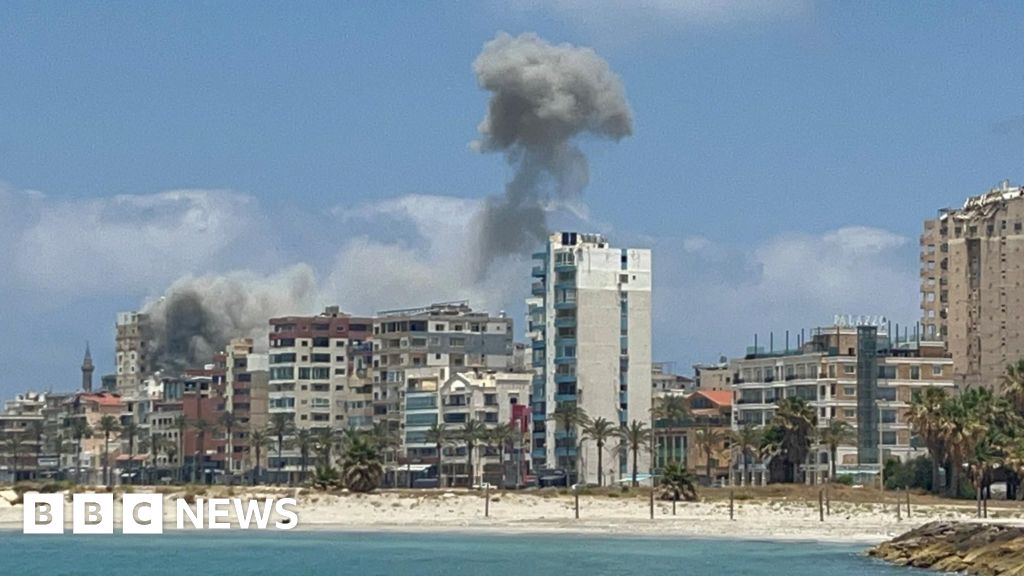
Iran issued a strong warning to Israel, signaling that it might escalate military activities if assaults against its Lebanese ally, Hezbollah, continue. This development has raised concerns about regional stability and the potential for further conflict in the Middle East.
Rising Tensions in the Region
The relationship between Iran and Israel has been marked by hostility for decades. Recently, the situation has intensified, particularly due to Israel’s ongoing military actions against Hezbollah, a powerful Shiite militant group based in Lebanon. As Iran supports Hezbollah financially and militarily, any perceived threat to its ally is taken very seriously by Tehran. The Iranian leadership has indicated that they will not stand idly by while their interests and allies are attacked.
The Role of Hezbollah
Hezbollah plays a crucial role in Iran’s broader strategy in the region. Established during the early 1980s with Iranian support, the group has become a significant political and military force in Lebanon. It has also been involved in various regional conflicts, often acting on behalf of Iranian interests. Iranian officials have made it clear that any direct threats to Hezbollah will be confronted, pointing to their commitment to protect their allies amid increasing aggression from Israel.
Implications for Regional Security
The potential for renewed hostilities poses significant implications for regional security. An escalation between Iran and Israel could destabilize Lebanon and create a broader conflict that could draw in other nations and groups in the region. This scenario raises the stakes for international diplomacy as nations try to mediate between the two adversaries and prevent further violence. The world watches closely, as any significant clash could have far-reaching consequences on global oil markets and political alliances.
The Path Forward
As tensions escalate, diplomatic channels are critically important. Both sides have resorted to rhetoric that suggests an unwillingness to compromise. However, history has shown that dialogue can sometimes pave the way for de-escalation. Engaging in negotiations and building trust is essential to ensure a peaceful resolution. International actors must play their part in facilitating discussions, emphasizing the need for stability in the tumultuous landscape of the Middle East.
In summary, Iran’s warning to Israel demonstrates the fragile nature of peace in the region. As military threats loom, the need for diplomatic dialogue becomes ever more pressing. The consequences of inaction could lead to a cycle of violence that would impact not only the local populations but also international relations and economic stability. It remains to be seen how this situation will unfold, but for now, the eyes of the world remain fixed on Israel and Iran.