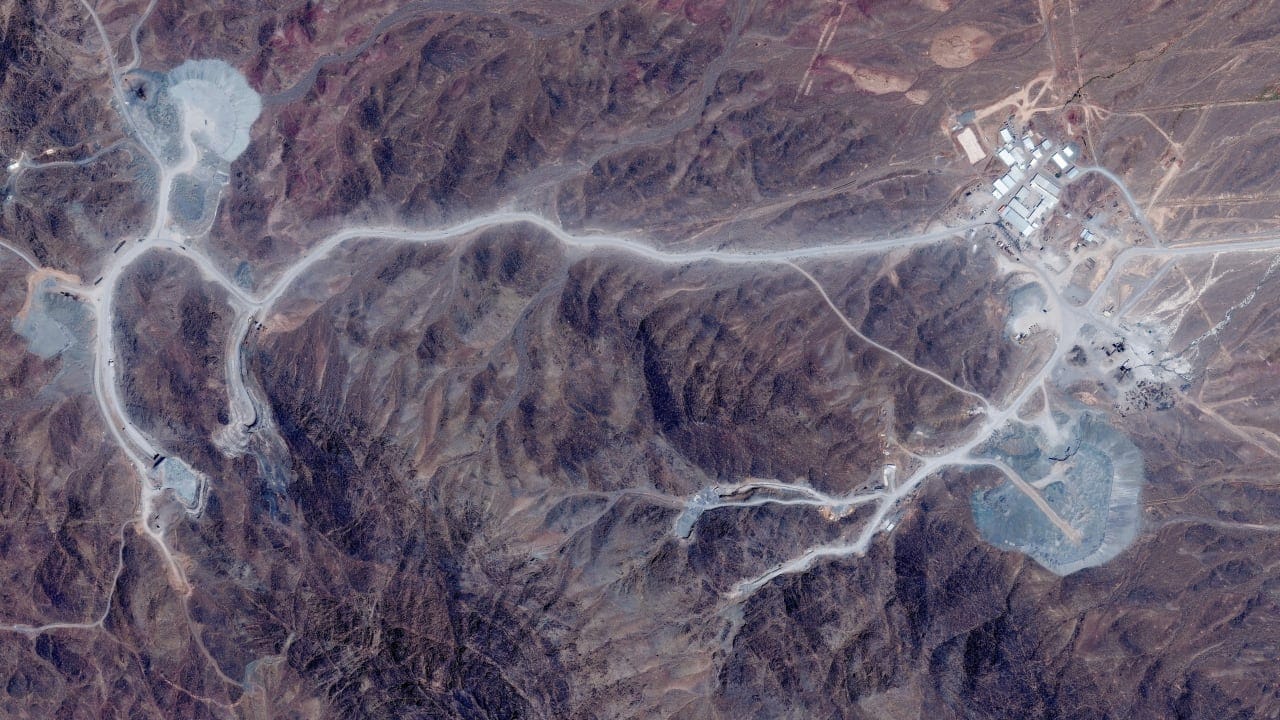
Prime Minister Benjamin Netanyahu recently informed UAE President Sheikh Mohammed bin Zayed Al Nahyan about new intelligence regarding Iran’s nuclear ambitions. This revelation emerged from a meeting in Abu Dhabi, as reported by CNN on Wednesday night, citing an Israeli official familiar with the discussions held over the weekend.
### Renewed Concerns Over Iran’s Nuclear Program
The intelligence shared by Netanyahu highlighted new construction activities at the site dubbed “Pickaxe Mountain,” which is located approximately 140 miles south of Tehran. This location is thought to play a critical role in Iran’s attempts to revive its nuclear program. However, the report does not confirm whether uranium enrichment is taking place at this site.
### Regional Security Discussions
Additionally, reports suggest that a senior Saudi security official also took part in the meeting, although this was not acknowledged in the official statements. Following the meeting, Saudi Arabia denied the involvement of its representative. The same sources indicated that discussions extended to the Houthis in Yemen, the strategic Bab al-Mandab Strait, and the critical Strait of Hormuz.
### Assessing Potential Regional Threats
During the discussions, Netanyahu reportedly presented Israel’s assessment that Iran could potentially initiate aggressive actions in the region within the next few weeks. This information is particularly alarming for Gulf nations and underscores the ongoing tensions surrounding Iran’s nuclear pursuits. The growing evidence of construction and development at suspected nuclear sites has raised eyebrows and concerns among international observers and regional allies.
### Implications for Middle Eastern Relations
The intelligence shared between Israel and the UAE signifies a strengthening partnership in the face of mutual concerns about Iran. As both nations navigate a complex geopolitical landscape, the exchange of critical information serves to bolster their collective security efforts. The implications of Iran’s nuclear intentions could significantly impact relationships across the Middle East, as nations weigh their responses to the growing threat.
In summary, Netanyahu’s intelligence briefing to the UAE President highlighted crucial developments regarding Iran’s nuclear program and emphasized the need for vigilance in regional security matters. The discussions contributed to an ongoing dialogue among Middle Eastern nations regarding strategies to address the challenges posed by Iran. As tensions continue to evolve, the focus remains on how these developments will shape future diplomatic and military actions in the region.