
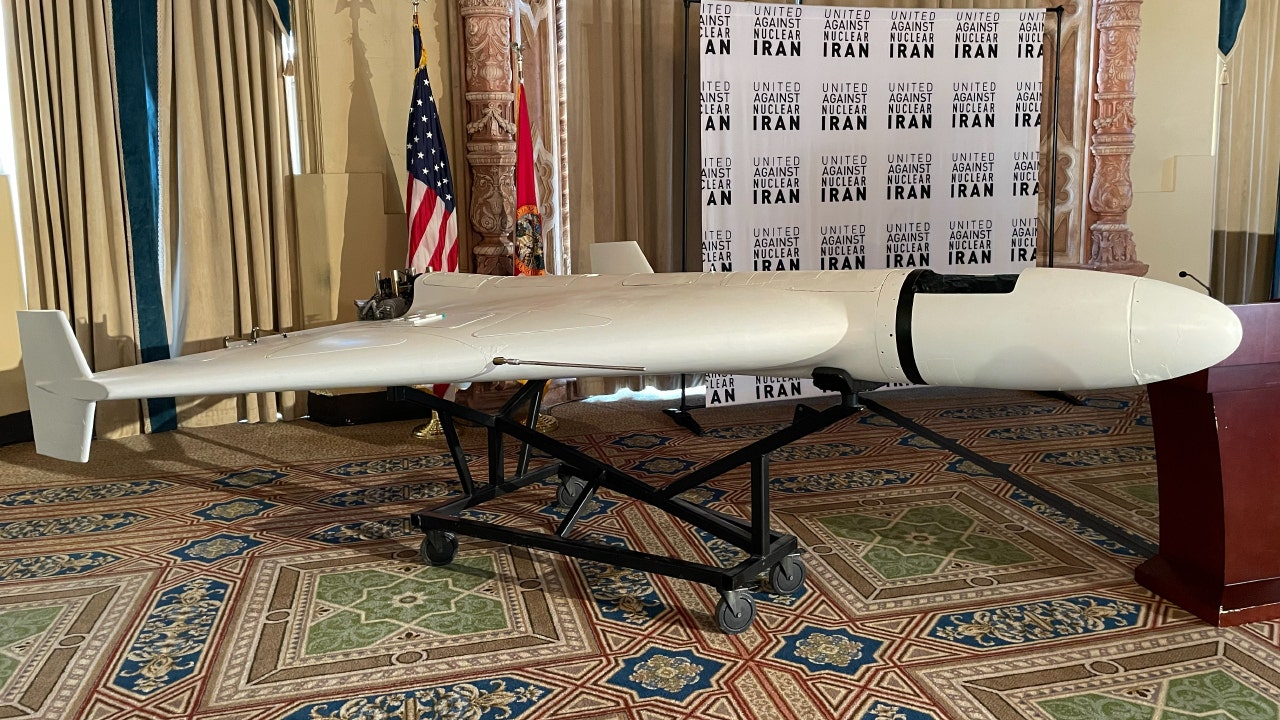
Former Florida Governor Jeb Bush has commended former President Donald Trump for his role in reducing the Iranian regime’s influence, while simultaneously raising concerns over Cuba’s recent acquisition of explosive drones from Iran. The remarks came during a United Against Nuclear Iran (UANI) event, underscoring the perceived implications of drone warfare in modern conflicts.
Iran’s Drone Technology and Its Global Reach
During the UANI event, Bush stood alongside an Iranian Shahed-136 drone, a type recognized for its low-cost yet devastating capabilities. These drones have been utilized by Iran in various Middle Eastern conflicts and have even been sent to Russia for deployment in its fight against Ukraine. Bush emphasized that the United States has successfully impaired Iran’s ability to cause instability in the region, stating, “We have decimated Iran’s capability to make mischief in the region.”
However, Bush indicated that the situation is evolving as reports suggest Cuba may possess around 300 of these Iranian drones. He cautioned against underestimating the potential threat these drones pose, illustrating that while the U.S. maintains robust defensive capabilities, advancements in drone technology could change the landscape of warfare.
The Future of Warfare: Drones as Mainstream Combat Tools
Highlighting the emerging role of such drones, Representative Carlos Gimenez from Florida classified them as “terror weapons” and noted their prominence in contemporary military engagements. He asserted, “This is the face of warfare,” accentuating how artificial intelligence is rapidly enhancing the effectiveness of these unmanned aerial vehicles. With the ongoing war in Ukraine serving as a backdrop, Gimenez underscored the significance of drones in modern combat, pointing out that Ukrainian forces have effectively developed millions of small drones for their defense.
Mark Wallace, former U.S. Ambassador to the U.N. and currently the CEO of UANI, echoed these sentiments, labeling the Shahed drone a “ubiquitous terror weapon of mass destruction.” His dire assessments highlight how these drones have affected U.S. allies and even killed American troops in various theaters across the Middle East. Wallace painted a grim picture of the future if such technologies continue to proliferate.
International Implications and Defense Strategies
Both Bush and Gimenez conveyed a pressing need for vigilance in safeguarding the U.S. and its allies from the implications of advanced drone technology. While they acknowledge the strength of U.S. military defenses, they also recognize that these drones represent a shift in how warfare is conducted. The advancements in UAV technology, particularly in AI, suggest that conflicts may increasingly rely on drone-based approaches, raising questions about the future conduct of wars.
Bush’s comments prompt a broader discourse on how geopolitical relations, especially regarding Iran and its allies, shape the security landscape. The potential for drone technology to fall into the hands of hostile nations poses a significant challenge not only for the U.S. but for global stability overall.
In conclusion, the advancements in drone technology, particularly the proliferation of Iranian drones to nations like Cuba, reflect a crucial shift in military strategy and international relations. These developments underscore the necessity for adaptive defense measures while prompting policymakers to consider the long-term implications for global security.