
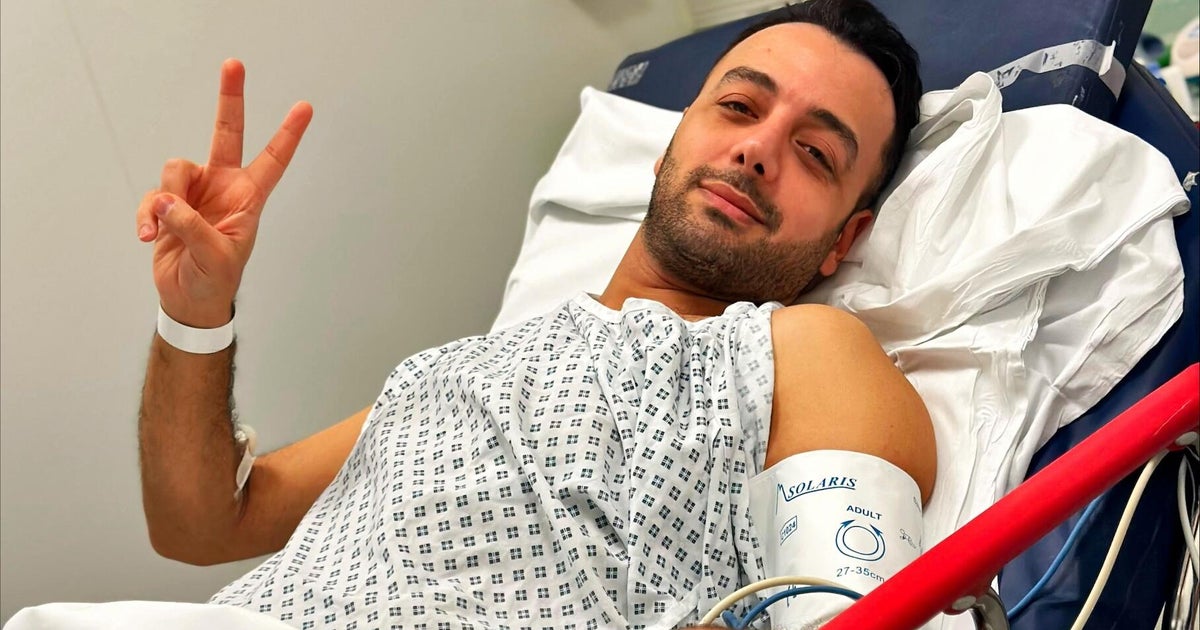
When British-Iranian journalist Pouria Zeraati learned about the U.K.’s decision to officially ban support for Iran’s Islamic Revolutionary Guard Corps (IRGC), he felt a profound sense of relief. After enduring years of fear and trauma, including a stabbing incident in 2024, Zeraati sees this move as a significant step in countering the threat posed by the Iranian regime.
The U.K.’s Designation of the IRGC
The IRGC, along with two other state-affiliated groups, has been designated a “threat to national security” by the U.K. government. This measure, which was fast-tracked by Prime Minister Keir Starmer, means that providing assistance to the IRGC has now become a criminal act in the U.K., carrying severe penalties that include up to 14 years in prison for support and life imprisonment for acts of sabotage. Zeraati believes this legislation will empower law enforcement to effectively tackle the root cause of the threat, which he identifies as the Iranian regime itself, rather than merely its European mercenaries.
Persian-speaking journalists like Zeraati are increasingly finding themselves at risk not just in Iran, but also in Western countries. His prominent position as a news anchor for Iran International—a network critical of the Iranian government—has made him a target of state-sponsored aggression. Posters branding him a “child killer” and calls for his assassination reflect the regime’s attempts to intimidate and silence dissenting voices.
Violence Against Journalists
In what seems to be a premeditated attack, Zeraati was stabbed multiple times in March 2024 while walking near his home in London. The perpetrators, identified as Romanian nationals, fled the scene immediately after the attack. In the wake of the incident, Zeraati received emergency medical treatment, but he returned to work within a week, demonstrating remarkable resilience in the face of danger. Even after the attack, he remains steadfast in his commitment to journalistic integrity, now anchoring his show remotely due to ongoing safety concerns.
British prosecutors have labeled this violent act as a state-sponsored attack, corroborated by evidence of surveillance on Zeraati’s life in the months leading up to it. The recent sentencing of two Romanian men for their roles in this incident reinforces the view that such actions are orchestrated by the IRGC. Zeraati believes that the U.K.’s designation of the IRGC will deter future aggression not just against him, but against other Iranian expatriates as well.
The Broader Implications for National Security
The U.K.’s domestic spy agency, MI5, has identified numerous plots linked to Iranian operatives within the country. These threats, particularly against dissidents and the Jewish community, have prompted this decisive action against the IRGC. The group is integral to the Iranian military and has a long history of targeting perceived adversaries outside Iran, a trend that has significant implications for the safety of Iranian emigrants and political activists in the U.K.
International reactions to the U.K.’s decision have been mixed, especially given past hesitations related to diplomatic ties with Iran. The United States has already labeled the IRGC as a terrorist organization, and Canada followed suit, but the U.K. had remained cautious. However, with increased domestic pressure and security concerns, the U.K.’s move suggests a shift in its approach toward Iranian threats.
Zeraati expresses cautious optimism about his potential return to the U.K. for work. He believes that while the designation of the IRGC is a crucial first step, it will require sustained vigilance and action to enhance safety for journalists and activists alike. “This is just the beginning,” he states, indicating hope for improved circumstances in the near future.