
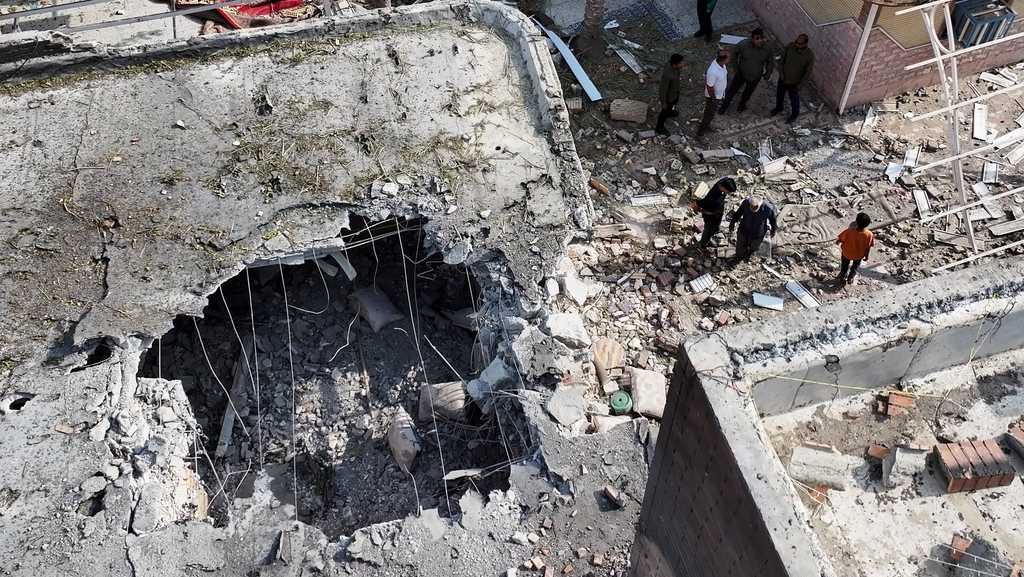
In recent weeks, a significant event has drawn international attention: a U.S. airstrike that reportedly targeted a wedding ceremony in Iran. This incident has raised eyebrows, sparking discussions about military actions and their unintended consequences. Below, we delve into the details surrounding this airstrike and its implications.
Details of the Incident
Reports indicate that a U.S. drone strike occurred during a wedding celebration, leading to numerous casualties. Eyewitness accounts suggest that the gathering, which was meant to be a joyous occasion, turned tragic when the airstrike hit. Accounts from local sources report that many attendees were either killed or injured, creating shock and sorrow among families who had come together to celebrate.
The Pentagon has confirmed involvement of U.S. forces in the region, amid ongoing tensions between the two nations. However, details surrounding the targeting process remain murky. The U.S. government claims this strike was aimed at a militant group posing an immediate threat. As investigations continue, the focus is now on how such a disastrous mistake could have occurred and what measures are in place to prevent similar occurrences in the future.
Reactions to the Airstrike
The fallout from the airstrike has been swift and significant. Iranian officials have condemned the attack, describing it as an egregious violation of sovereignty and human rights. Demonstrations sprung up across various cities, fueled by outrage over the targeting of civilians at a peaceful event. The Iranian government has demanded accountability, asserting that those responsible for the strike must face repercussions.
Internationally, human rights organizations have voiced concerns over the consequences of drone warfare. They argue that the risks of collateral damage in such operations are too great, as evidenced by this incident. Activists are calling for stricter regulations to ensure the protection of civilian lives during military actions. These discussions underscore the urgent need for accountability and transparency in military operations.
The Broader Context of U.S.-Iran Relations
This airstrike adds yet another layer of complexity to the already strained relationship between the United States and Iran. Historically, tensions between the two nations have oscillated between diplomatic attempts at peace and military confrontations. This incident is likely to exacerbate feelings of mistrust and animosity, complicating any future negotiations.
As the situation develops, it will be crucial for both nations to engage in dialogue to mitigate the risk of further escalation. The international community is closely monitoring the aftermath of this incident, with many hoping that it will serve as a catalyst for constructive discussions on conflict resolution and civilian protection in warfare.
In summary, the tragic airstrike on a wedding in Iran has not only claimed innocent lives but has also reignited critical discussions on military ethics and the importance of safeguarding civilian populations. Continued scrutiny of military operations is essential to ensure that similar tragedies do not happen in the future. It remains a poignant reminder of the delicate balance between national security and humanitarian principles.