
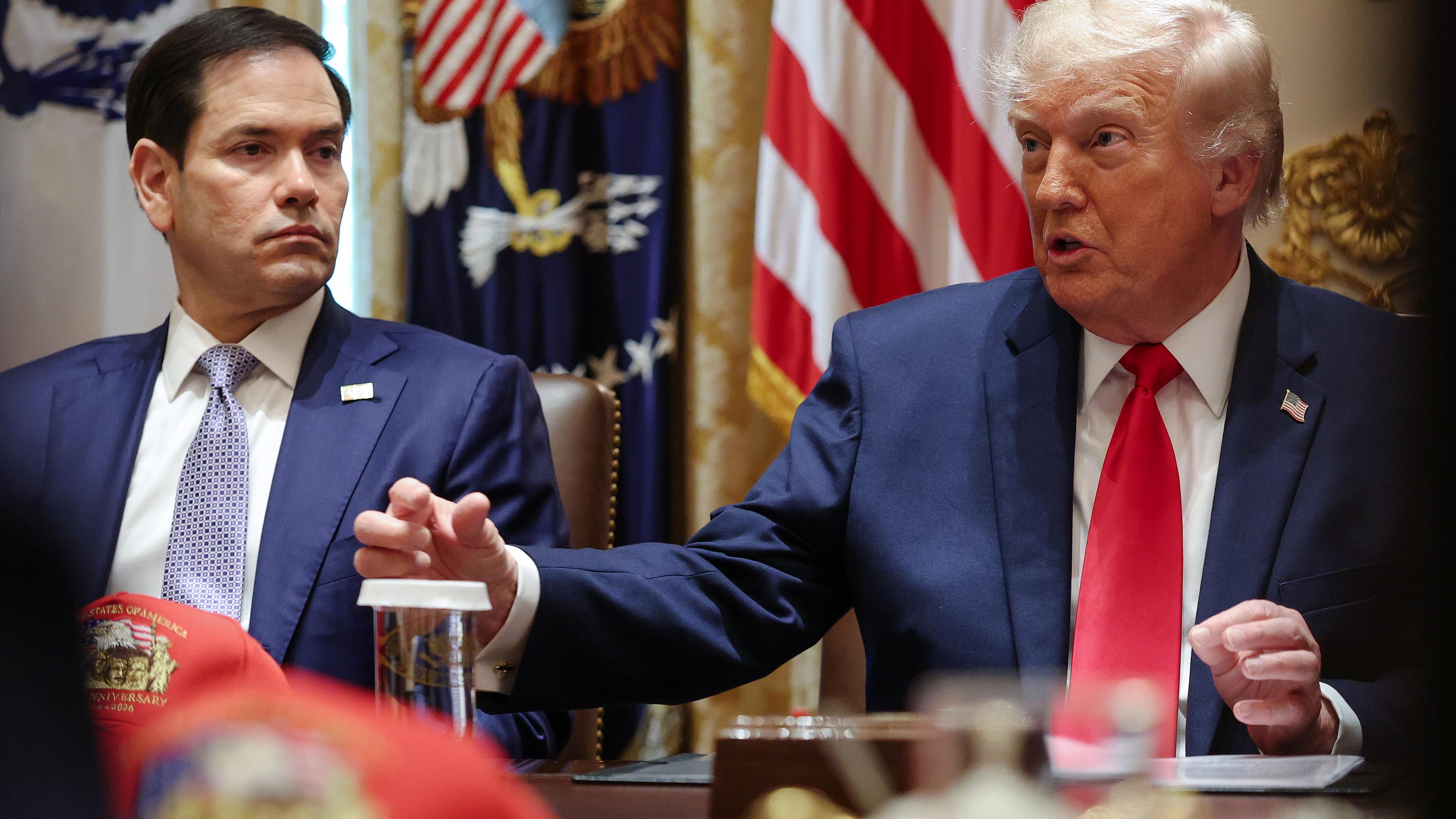
In recent discussions regarding the Strait of Hormuz, significant concerns have emerged about international law and the economic implications of potential tolls. This vital maritime passage has become a focal point in global trade and energy markets, igniting debates among political leaders.
International Law and the Strait of Hormuz
Senator John Cornyn referenced remarks made by the Secretary of State in late June, emphasizing the importance of the Strait as an international waterway. According to the Secretary, “No country is allowed to charge tolls or fees on an international waterway,” highlighting the principles of existing international law. This assertion raises profound questions about the sovereignty of nations bordering significant trade routes and their ability to regulate passage through these waters.
Political Reactions and Economic Consequences
Political leaders are voicing increasing apprehension about any disruptions in this critical trade passage, which holds substantial influence over global energy markets. Senator Kim from the Democratic Party has expressed similar concerns, asserting that toll fees could have crippling implications on everyday Americans. He condemned the actions of former President Trump regarding the Strait, stating that “Trump’s inconsistent action over the Strait of Hormuz is not a negotiating tactic—it’s expensive for Americans and a threat to the global economy.” His remarks underscore the potential for rising costs on essential goods, particularly fertilizer for agriculture and consumer products.
Rising Costs at the Pump
The fiscal impact of political decisions related to the Strait is significant. According to the Joint Economic Committee Democrats, Americans have incurred an additional $56.4 billion in gas expenses since the onset of the Iran conflict. With rising tensions and the possibility of renewed hostilities, U.S. motorists are likely to continue feeling financial pressure at the fuel pump.
The Disconnect Between Policy and Economic Reality
As political rhetoric heats up regarding the situation, some lawmakers are expressing frustration over perceived indifference to the economic realities faced by Americans. Senator Maggie Hassan of New Hampshire criticized the administration for its approach, pointing out that increasing gas prices are a direct consequence of ongoing conflicts, tariffs, and political maneuvers. She noted, “As President Trump declares that he’s ended his cease-fire with Iran, gas costs have already started rising again, at a time when Americans continue to face the squeeze of higher costs overall.” Her comments reflect a growing sentiment among politicians that the financial implications of foreign policy decisions must be more thoroughly considered.
In conclusion, the situation surrounding the Strait of Hormuz encapsulates a broader debate about the intersection of international law, economic welfare, and political strategy. As discussions continue, the potential cost implications for everyday Americans remain a significant concern. Political leaders will need to navigate these complex waters carefully, balancing national interests with the economic realities facing citizens.