
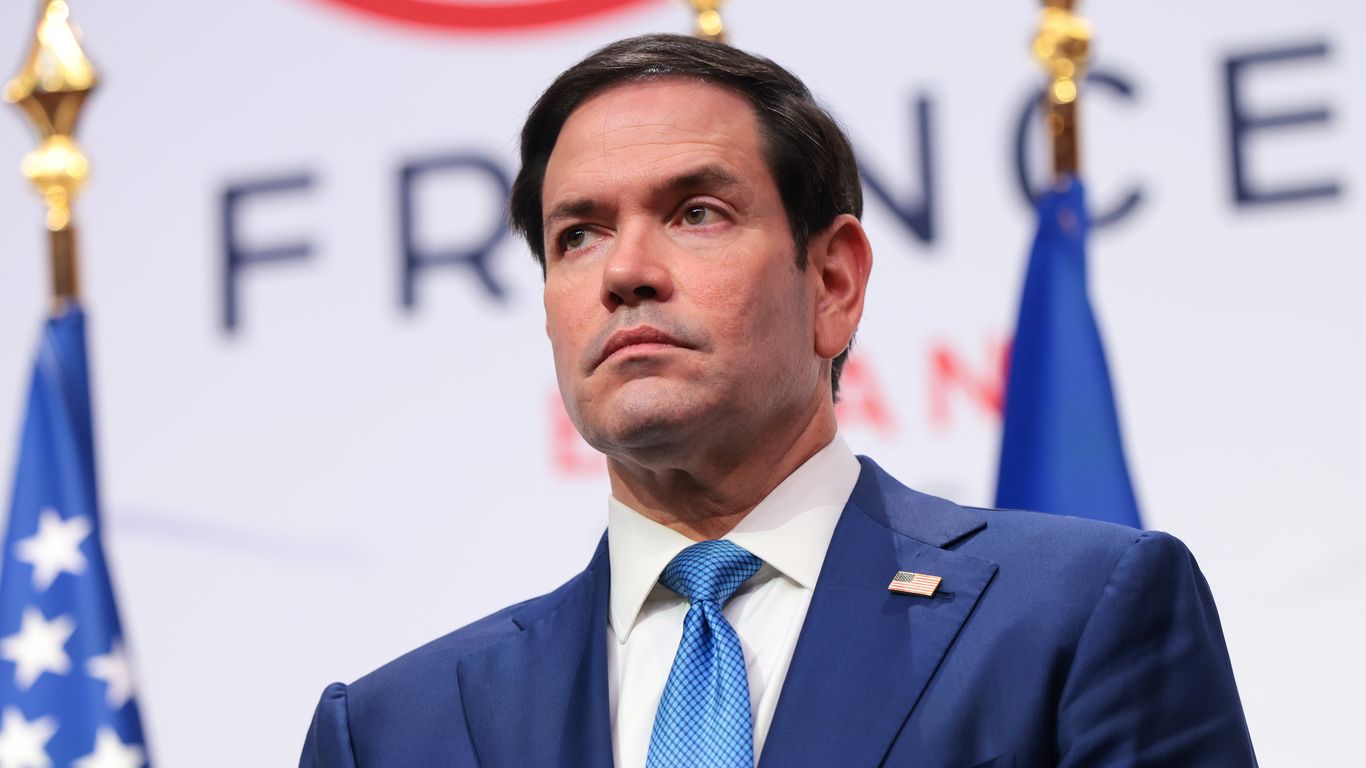
The ongoing discussions surrounding the Memorandum of Understanding (MoU) reflect the evolving nature of diplomatic relations in the current political landscape. Lawmakers have expressed a cautious optimism, indicating their readiness to consider this significant shift toward negotiation and cooperation.
The Significance of the MoU in Diplomatic Relations
The Memorandum of Understanding is a crucial document that aims to establish a framework for cooperation between parties. In the context of international diplomacy, MoUs serve as foundational agreements that facilitate deeper discussions on various issues ranging from trade to security. Lawmakers’ measured response to the Administration’s focus on diplomacy signals a willingness to engage in constructive dialogue, potentially paving the way for future agreements that benefit all involved parties.
This development comes at a time when geopolitical tensions have reached new heights. The importance of diplomatic engagements cannot be overstated, as these interactions serve as vital channels for addressing conflicts and misunderstandings. By welcoming the Administration’s commitment to diplomacy, legislators are underscoring the necessity of collaboration in an increasingly polarized world.
Implications for Future Policy and Cooperation
As lawmakers consider the implications of the MoU, they are also setting the stage for possible future policies. The Administration’s pivot towards diplomacy offers an opportunity for lawmakers to influence the direction of negotiations. To maximize the benefits of this MoU, lawmakers need to ensure that constructive frameworks are established, allowing for comprehensive discussions that consider the interests of varied stakeholders.
Moreover, a strong diplomatic approach can lead to enhanced cooperative efforts on pressing issues, whether they pertain to trade agreements, climate change, or national security. Engaging in dialogue can open new avenues for collaboration and potentially mitigate rising tensions that often arise from misunderstandings or miscommunication. As discussions progress, it is critical for lawmakers to emphasize transparency and accountability to build trust among concerned parties.
Challenges and Considerations Ahead
While the lawmakers’ reception of the MoU is generally positive, challenges remain. The complexity of international relations means that negotiations can often be fraught with obstacles. Lawmakers will need to remain vigilant and proactive, ensuring that any agreements reached fulfill the interests of their constituents while also maintaining healthy international relations.
Additionally, the implementation of the MoU will require ongoing assessments and adjustments as circumstances evolve. Lawmakers will play a pivotal role in monitoring the effectiveness of the diplomatic strategies employed, making it essential for them to engage with experts and constituents alike. By fostering an open dialogue around these issues, lawmakers can help to create an environment where diplomacy thrives.
In conclusion, the response to the Administration’s focus on diplomacy signals a pivotal moment in international relations. As lawmakers navigate the complexities of the MoU, their actions will shape future diplomatic efforts and potential policies that affect a wide array of global challenges. Emphasizing cooperation, transparency, and accountability will be key to fostering a productive environment for negotiations moving forward.