
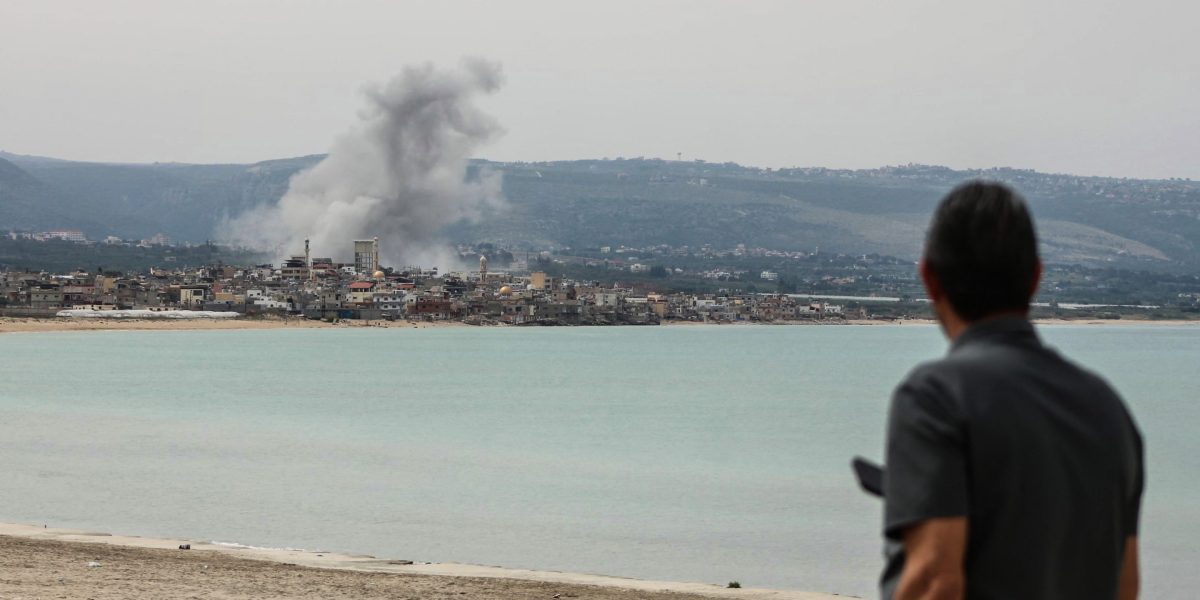
Ayman al-Zain recently observed the devastation of his sports clothing store, one among numerous establishments reduced to rubble by Israeli airstrikes aimed at the Hezbollah militant group. As a nominal ceasefire has managed to lessen, but not fully halt, the ongoing conflict, Al-Zain faces a dilemma: should he rebuild his business in Beirut’s southern suburbs, a place he once pictured passing down to his children? The decision weighs heavily not only due to the looming threat of airstrikes but also because of soaring costs that accompany rebuilding efforts.
The Financial Burden of Rebuilding Amid Conflict
Al-Zain expressed his frustration over the skyrocketing prices of basic supplies. “Everything is expensive,” he lamented. To reopen his store, he would need to invest heavily in new mannequins, hangers, and various accessories, all priced much higher than they were previously. The ongoing conflict, particularly the U.S.-Israeli operations against Iran, has exacerbated the economic turmoil in Lebanon, where ongoing issues like rampant inflation and market inefficiencies continue to undermine basic necessities.
The situation in Lebanon has been dire since late 2019 when the country plunged into a financial crisis, drastically diminishing the value of its currency and crippling its banking system. As a result, close to half the population of approximately 6.5 million now lives in poverty, primarily due to years of corruption and mismanagement. With estimated losses exceeding $70 billion in the financial sector and an additional impact from the ongoing war, the Lebanese pound has depreciated by over 90% against the U.S. dollar.
Widespread Job Losses and Economic Strain
Amid these challenges, Lebanon’s economy is grappling with rampant job losses and staggering inflation. Economy Minister Amer Bisat stated that the ongoing war is expected to result in a GDP contraction of about 7%, as businesses shutter and tourism declines. Marketplaces that used to buzz with activity now struggle to attract customers. For instance, Ahmad al-Farra, a vendor in a bustling produce market, witnessed potential buyers leaving empty-handed upon encountering soaring prices.
Reports show that even those who can afford to spend are exercising caution and cutting back on non-essential purchases, further crippling businesses already on the brink. Riad Aboulteif, who manages multiple restaurants in Beirut, revealed a shocking 90% decline in revenue since the conflict reignited, forcing him to reduce staff and adjust menus to offer more affordable options.
Price Gouging and Economic Mismanagement
The Lebanese government is struggling to combat escalating price gouging and unfair practices amid the financial chaos. As a consequence of the conflict, many agricultural regions are now unreachable due to air strikes, prompting suppliers to unjustly inflate prices beyond necessary cost increases. This has hit families particularly hard, especially regarding utility bills for privately supplied electricity—an essential in a country where state electricity is limited to just a few hours daily.
In an effort to stabilize the situation, the Ministry of Economy has conducted thousands of inspections since the war began, but challenges remain daunting. Business owners cite examples of unjust price hikes, particularly in generator bills, pushing them to navigate increasingly precarious business conditions. “If we didn’t take these measures, we cannot continue,” Aboulteif stated, showcasing the severity of the struggle.
No End in Sight
With the conflict showing no signs of abating, the economic landscape in Lebanon remains bleak. While a fragile ceasefire holds between the U.S. and Iran, negotiations have stalled, leaving many Lebanese families to tread water amid mounting adversities. “Only God knows how we’ve been trying to manage ourselves,” said al-Farra, encapsulating the uncertainty and anxiety pervading the lives of many in this beleaguered nation. As the future remains uncertain, Lebanese citizens are left grappling with their daily realities and hoping for a semblance of normalcy.