
The recent escalation in hostilities between the United States and Iran has resulted in military strikes by the US against Iranian targets. This alarming development follows a series of actions that have heightened tensions in the region, particularly related to shipping security. With both nations exchanging fire recently, the potential for broader conflict looms large.
US Military Actions Against Iran
The US military confirmed on September 1, 2026, that it initiated strikes targeting the Islamic Revolutionary Guard Corps (IRGC) in Iran. This decision was triggered by the IRGC’s alleged attempts on commercial shipping in the crucial Strait of Hormuz, as well as threats posed to US servicemen stationed in the area.
In a statement, US Central Command elaborated that these strikes commenced at noon Eastern Time. The military cited ongoing threats to both commercial vessels and US personnel as justifying these aggressive tactics. Such actions reflect a commitment from the US to safeguard its interests and those of its allies amid growing hostilities.
Iran’s Response and Escalating Tensions
In reaction to the airstrikes, Iran reported explosions in various locations, including Qeshm Island and the southern port city of Chabahar. Iranian state news outlets noted that military exchanges escalated over the weekend, with incidents involving missile firings and defensive responses.
The situation intensified when Iran launched missiles at US bases in Jordan, which were intercepted. Additionally, the United Arab Emirates reported that it successfully thwarted an Iranian drone incursion over its territorial waters. US President Donald Trump threatened further action, stressing that the US would “hit them hard” in response to any continued provocations.
Economic Standoff and Future Implications
This conflict is not merely a battle of arms; it also represents a worsening economic standoff between the two nations. Former President Trump has been vocal about labeling Iran a “failed nation,” asserting that US and Israeli actions have severely crippled its political and economic structures. Inflationary pressures are escalating in Iran, raising concerns among lawmakers about the stability of the nation’s economy.
Tehran’s leadership, however, has expressed a willingness to pursue diplomatic avenues to de-escalate tensions. Iranian President Masoud Pezeshkian conveyed to Pakistan’s Prime Minister the importance of avoiding prolonged conflict and reaffirmed Iran’s readiness to uphold commitments made in prior agreements.
The Strait of Hormuz: A Critical Flashpoint
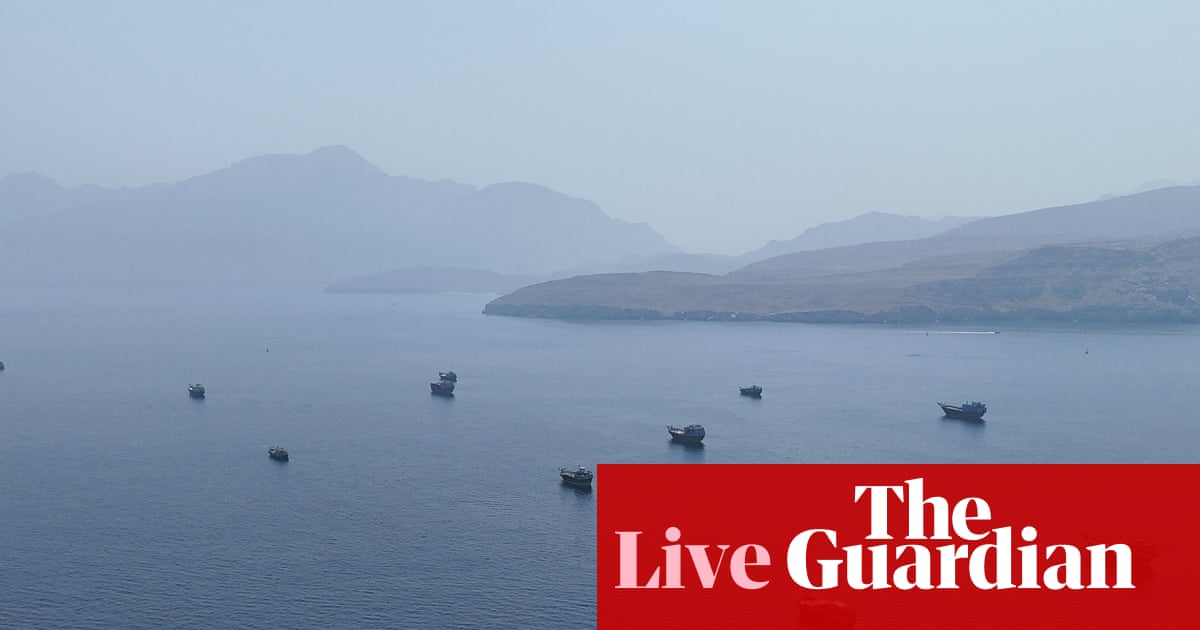
The strategic Strait of Hormuz remains a vital artery for global oil transport, and both nations recognize its importance. Ongoing military skirmishes, including the recent destruction of mines and attacks on shipping, highlight the fragile nature of safety in this critical waterway. US claims of success in clearing mines have been met with skepticism from Iran, exacerbating an already volatile environment.
Both the US and Iranian military forces continue to exchange overt threats, indicating that the potential for further military engagement remains high. As the international community watches closely, the dynamics in the region will be pivotal in determining future geopolitical developments. The implications of these confrontations could reshape alliances and influence economic stability, making it crucial for all parties involved to prioritize dialogue over warfare.